
MUSCAT: The Sultanate of Oman has actively participated in responding to the COVID-19 pandemic, the World Health Organisation has confirmed.
The WHO’s regional office for the Eastern Mediterranean in Cairo, in a statement on Wednesday has said, “Ending the pandemic requires commitment to a response that includes the entire government and society as a whole, noting that in countries such as the Sultanate of Oman, Bahrain, Saudi Arabia, Pakistan and Tunisia. These countries have shown the highest levels of leadership and are actively involved dealing with the pandemic. We have generally seen a good response to the pandemic over the past year, as well as successful vaccination campaigns.”
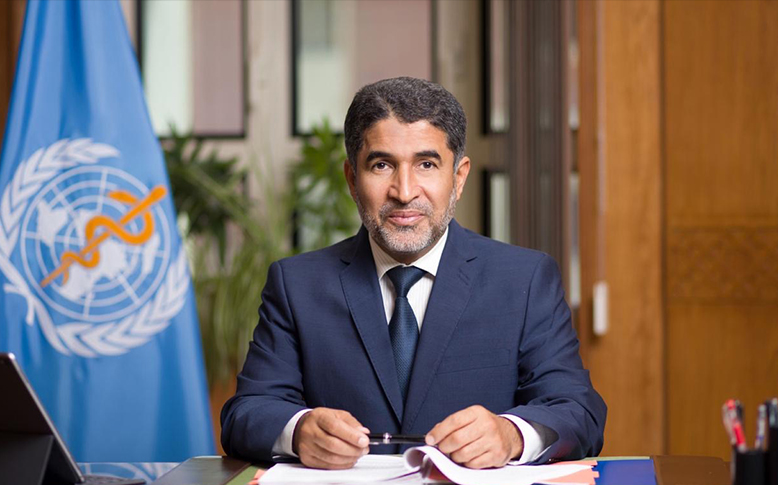
Regional Director Dr. Ahmed bin Salem Al-Mandhari, former director of Sultan Qaboos University Hospital, said, “The current COVID-19 situation in our region is still worrying, and as of January 22, 2022, it has reached more than 18.2 million cases, and about 320,000 deaths due to infection. COVID-19, which is a 37% increase in cases compared to the previous week, and an 186% increase in cases compared to the same time last year.”
Read More
- Oman, Iran agree framework for safe shipping corridor through Strait of Hormuz
- Thunderstorms, strong downdraft winds sweep parts of Oman
- Saudi Crown Prince sends written message to His Majesty Sultan Haitham
- Oman FM arrives in Tehran, discusses safe passage of ships through Strait of Hormuz
- CPA seizes 1,668 soft drinks, 177 expired juice cans in Oman
He added, “Although countries have not received accurate numbers of hospitalisations attributable to the Omicron mutation, there is an increasing burden on health care systems and health care workers, as a direct result of this new mutation, which makes up the majority of new cases detected.”
He stated that surveillance, testing, isolation, contact tracing, and treatment remain key components of any national response, and countries must continue to accelerate their national response to contain the increasing number of cases, and implement any restrictions that are imposed, based on risk assessments.
“In the process, we must protect the most vulnerable in our societies, and both our health systems and health workers from burdens that are beyond their capacity,” he added.





