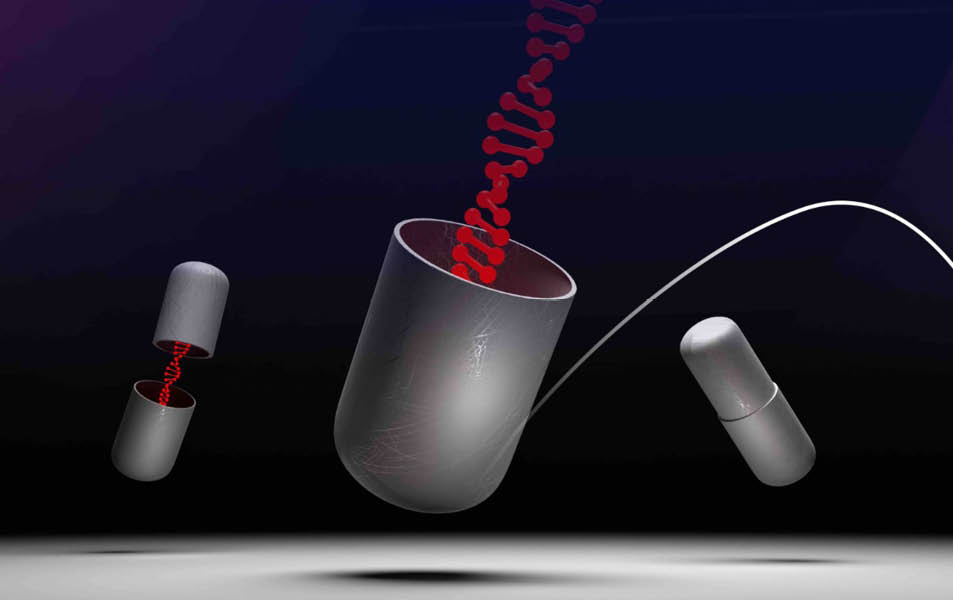

Muscat: The award-winning study, supported by the Research and Innovation Authority, highlights the potential of advanced molecular innovation in creating more effective and affordable medicines.
The research focused on developing novel compounds containing a triazolene nucleus linked to glucose derivatives, marking a significant advancement in pharmaceutical chemistry. Scientists used glucose, the simplest form of sugar, as a key raw material to create the new molecules through an innovative synthesis process designed to reduce production costs and simplify preparation compared to conventional methods.
According to the researchers, the breakthrough could contribute to the future development of more efficient and economically viable drugs, offering new possibilities for addressing a range of health challenges.
Read More
- Taxi drivers call for fare review in Oman as low app prices squeeze earnings
- Oman hosts maritime forum to strengthen global trade and supply chains
- Oman’s Energy Minister HE Salim Al Aufi to preside over sixth TAS Conclave
- OQ commits RO20 million to build flagship Youth Centre in Muscat
- Oman sets December dates for fourth-term municipal council elections
To validate their findings, the team employed advanced analytical techniques to accurately determine the chemical structure and three-dimensional configuration of the compounds. Laboratory testing was then carried out on 60 different types of cancer cells.
The results revealed encouraging pharmaceutical potential, with some compounds demonstrating notable activity against leukemia cells. Several of the newly developed molecules also exhibited promising anti-bacterial and anti-fungal properties, highlighting their potential for broader medical applications.
The study was conducted by Dr. Anwaar Said Al-Maqbali, Dr. Nawal Khamis Al-Rasbi, Prof. Wajdi Michael Zoghaib, Dr. Nallusamy Sivakumar, Dr. Craig Robertson, Prof. Musa S. Shongwe, Dr. Norbert Grzegorzek, and Prof. Raid Jamil Abdel Jalil.
While the findings represent an important step forward in pharmaceutical research, the team emphasized that further studies and extensive testing will be required before the compounds can progress to clinical and practical medical applications.
The researchers have recommended expanding biological testing, enhancing synthesis methodologies, and strengthening interdisciplinary scientific collaboration to accelerate the development of next-generation therapeutic compounds.





