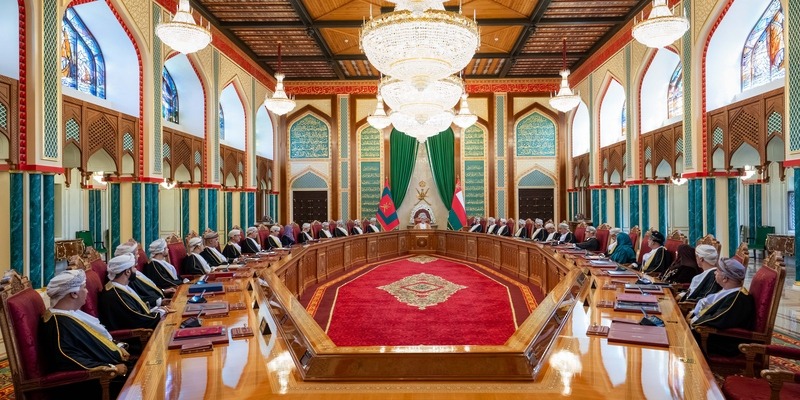

Muscat: Specialists and stakeholders told the Oman News Agency that the royal guidance responds to urgent challenges posed by modern technologies and social media platforms, stressing the need for clear, governed policies to limit negative impacts such as the weakening of family ties and the decline of positive local role models in cyberspace.
Social researcher Mubarak bin Khamis Al-Hamdani said the directives reflect a realistic reading of social transformations driven by openness to global cultures, the shift toward virtual communication, and changing patterns of daily life. He noted that Oman is passing through a critical phase of social change that requires parallel social policies to accompany economic reforms and ensure societal stability during this transition.
Al-Hamdani emphasized that sustainable development, economic growth, and the success of the national development agenda cannot be achieved without a cohesive society. He pointed to emerging phenomena over the past decade, including the erosion of family dialogue, the decline of positive national role models, and the rise of global digital influencers whose values and messages are difficult to regulate.
Read More
- Oman postpones Salalah regional meeting, seeks better conditions for constructive dialogue
- India condemns attack on commercial vessel off Oman coast; 13 Indian crew rescued, one missing
- Oman to be affected by low-pressure system from September 14, rain forecast in Dhofar
- Hormuz talks in Oman could lead to broader regional dialogue, says Iran Foreign Minister
- Oman’s Labour Ministry offers 2,538 government jobs, moves to replace 110 expat trainers in vocational colleges
He warned that these shifts have contributed to unfamiliar behaviors such as bullying, harassment, unhealthy peer influence, early criminal tendencies among some age groups, rising divorce rates, and weakened family harmony. He also highlighted the growing culture of comparison and digital validation, which has reshaped concepts of success and acceptance, creating psychological pressures and distorted value systems among younger generations.
Calling for proactive solutions, Al-Hamdani stressed the importance of an integrated social monitoring system capable of anticipating behavioral trends before they deepen into societal problems. He underscored the role of media, civil society, educational institutions, and religious bodies in promoting positive role models, values-based education, and narratives rooted in Omani ethics and heritage.
Dr. Ruqaya bint Hamid Al-Wahibiya, Head of the English Department at the Vocational College in Saham, said behavioral change is no longer a temporary or superficial issue, but a visible transformation reflected in language, daily interactions, and the formation of role models. She described behavior as a pillar of national stability, not a marginal social matter.
She noted that social media has reshaped the concept of role models, shifting them from figures defined by responsibility and consistency to images consumed through screens, where a short clip can outweigh years of meaningful contribution. Dr. Al-Wahibiya stressed that young people are not drawn to superficiality, but to recognition, belonging, and genuine influence, raising critical questions about the type of role models society presents.
She highlighted that Oman possesses authentic role models deeply rooted in its collective memory, evident in moments of national solidarity during crises and in the balanced discourse maintained on official platforms. Translating the Sultan’s directives into effective policies, she said, requires promoting positive digital role models, supporting value-based content, integrating media literacy into education, and building partnerships with responsible influencers.
For his part, Nasser bin Khalfan Al-Badi, a religious preacher at the Ministry of Endowments and Religious Affairs, affirmed that virtuous values and good conduct form the foundation of Omani society’s strength and stability. He said the royal emphasis on ethics aligns with Oman Vision 2040, particularly its focus on citizenship, identity, heritage, and national culture.
Al-Badi stressed the need for religious discourse that combines firm principles with modern communication tools, engaging today’s generation through digital platforms, interactive media, and innovative content. He called for coordinated efforts among religious, educational, cultural, youth, and media institutions to study behavioral changes, develop guiding frameworks for Omani values, and implement strategic plans with clear targets and performance indicators.





