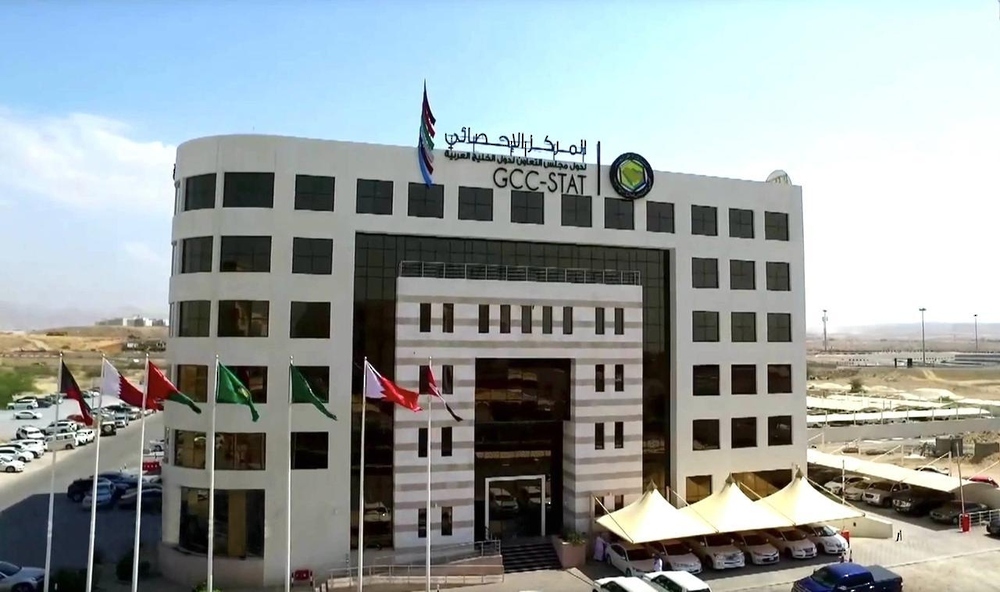

MUSCAT – According to data released by the Statistical Centre for the Cooperation Council for the Arab States of the Gulf (GCC-Stat), based on the World Competitiveness Yearbook 2026 issued by the International Institute for Management Development (IMD), Oman ranked sixth globally in the tax policy index under the government efficiency pillar.
The ranking highlights the Sultanate’s competitive tax environment and its role in enhancing the country’s attractiveness as an investment destination.
The United Arab Emirates topped the global rankings in the International Trade Index and also ranked first worldwide in the Economic Performance pillar, underscoring the country’s trade openness and economic competitiveness.
Read More
- Oman prepares online food delivery rules after customers raise price concerns
- Ministry invites bids to establish LPG filling station in Oman’s Masirah
- Four new asteroids! ABM students make space history again
- Travel agency representative in Muscat jailed, agency shut for a year over cancelled trips
- Oman’s CDAA urges mountain safety after foreign national critically injured in Jabal Shams fall
Qatar secured second place globally in the Labour Market Index under the Business Efficiency pillar, reflecting the strength and attractiveness of its labour market.
Meanwhile, Bahrain ranked third worldwide in the Price Stability Index under the Economic Performance pillar, highlighting the effectiveness of its policies in maintaining economic stability.
Saudi Arabia also claimed third place globally in the Infrastructure Index under the Infrastructure pillar, demonstrating continued investment in infrastructure projects that support long-term economic growth.
In the Government Efficiency pillar, Kuwait ranked third globally in the Public Finance Index, reflecting the country’s strong fiscal position and effective management of public resources.
The latest rankings underscore the GCC’s growing prominence in international competitiveness benchmarks and highlight the success of economic reforms and policy initiatives aimed at strengthening business environments, attracting investment and advancing sustainable economic development across the region.





