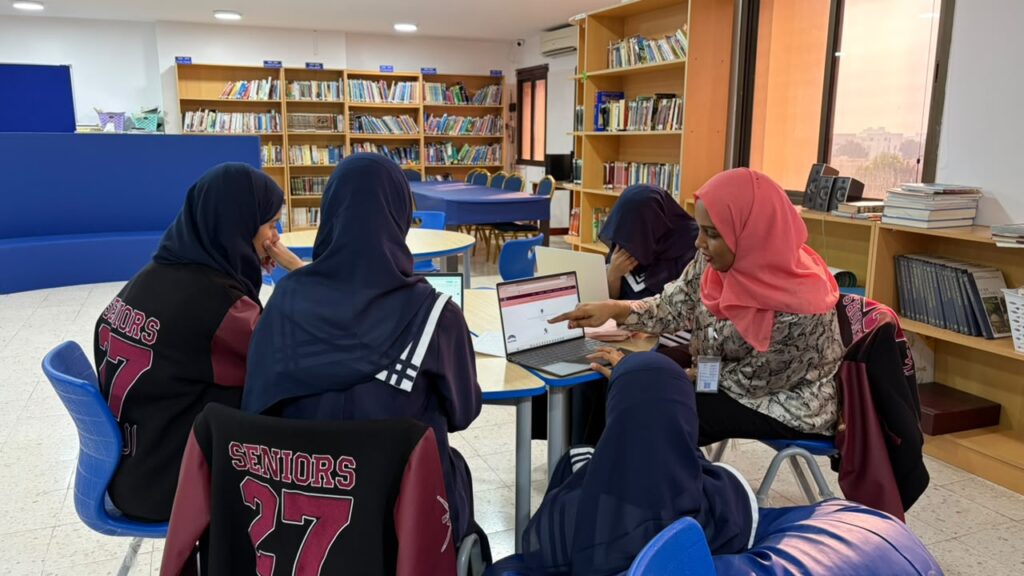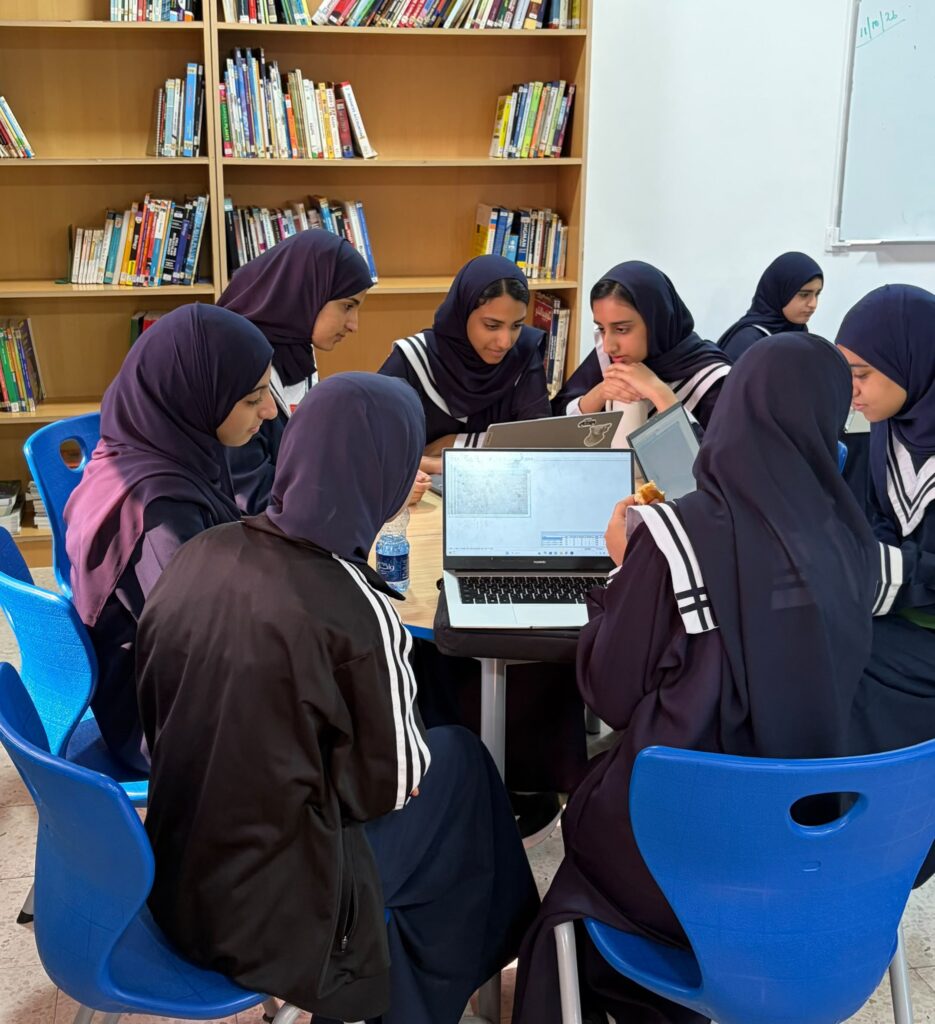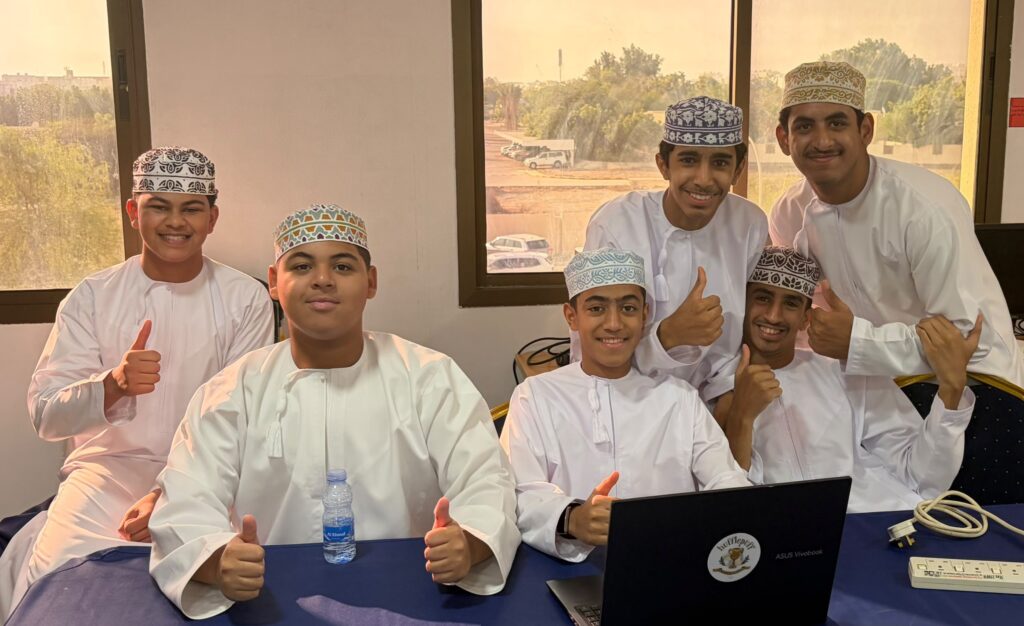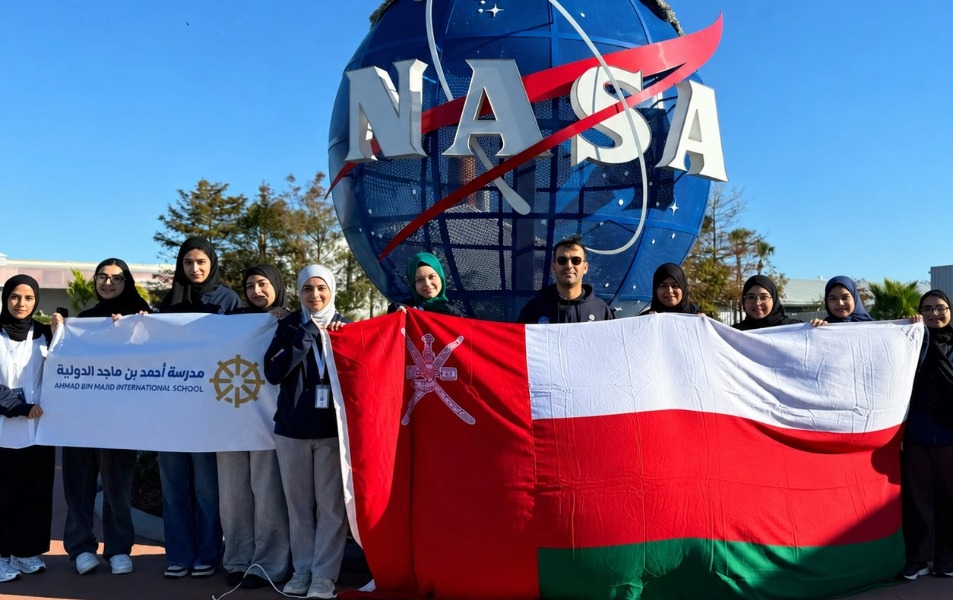

MUSCAT: Four times in two months, ABM students looked at the night sky and spotted something no one had logged before. Four new asteroid discoveries have been made in the September and October campaigns of the International Astronomical Search Collaboration (IASC), as part of the ABM–NASA IASC Program, bringing ABM’s total to nine discoveries in two years.
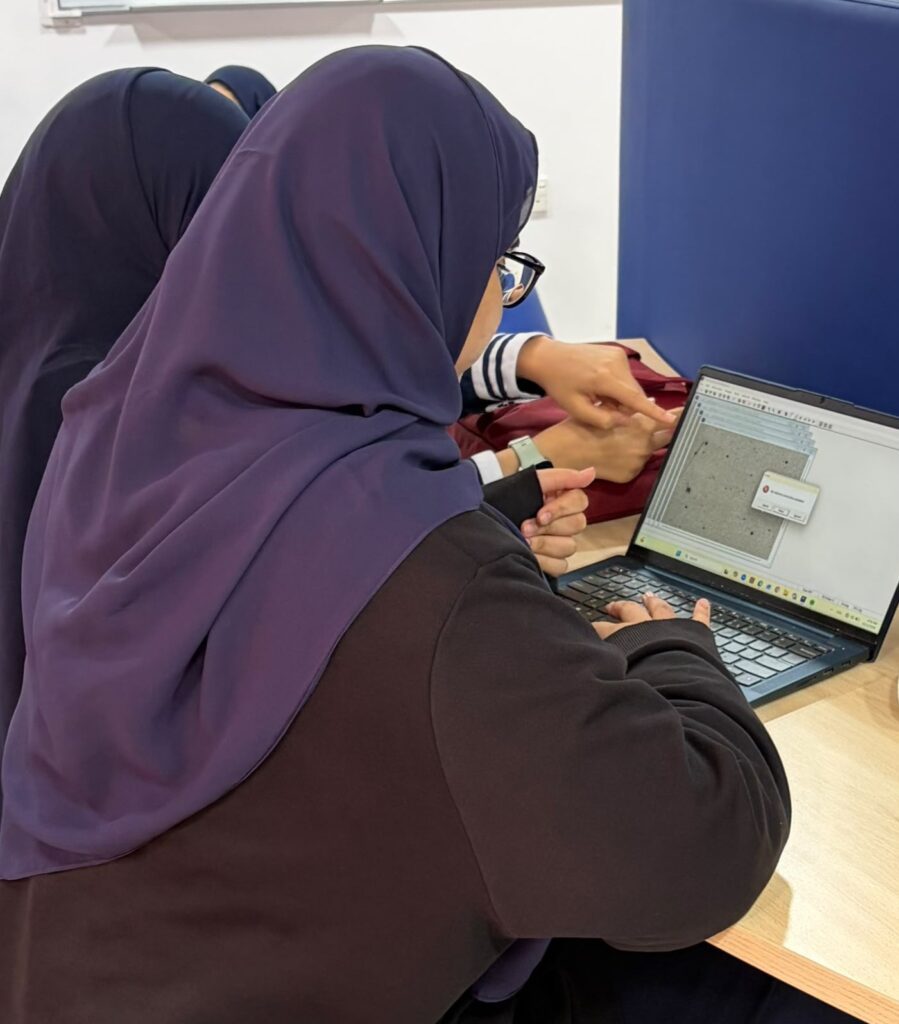
IASC is a citizen-science program in which teams receive sky images taken just hours earlier. Using Astrometrica software, they measure the time and position of moving asteroids and send their findings to IASC. The images come from the Pan-STARRS telescopes in Hawaii. More than 7,000 asteroids have been discovered through IASC since 2006.
“Oman’s National Space Program report names capacity building a core pillar and youth a strategic priority. ABM’s students are that vision in action. From meeting NASA Deputy Associate Administrator Casey Swails and visiting the Kennedy Space Center in 2024, to conducting ongoing research with NASA-IASC since, they have proudly represented Oman from the early years of its space story.” — Waheeda Said, ABM Board Member and Project Lead
Read More
- Ministry invites bids to establish LPG filling station in Oman’s Masirah
- Travel agency representative in Muscat jailed, agency shut for a year over cancelled trips
- Oman’s CDAA urges mountain safety after foreign national critically injured in Jabal Shams fall
- Oman’s media must adapt to AI while upholding accuracy, minister says
- Oman forecasts thunderstorms from October 25 as low-pressure trough approaches
Where It All Began
ABM’s first IASC discovery came from 26 students and 4 staff members who worked across two research campaigns between November 2024 and February 2025, in dedicated boys’ and girls’ teams. That made them the first Omani students to take part in NASA research through IASC, and together they identified a moving celestial object that NASA officially recognized. Student leaders took on key roles, from data analysts to observation recorders, and every participating student received an official NASA certificate.
Less than two years later, the program has grown from 26 students to more than 150 trained participants, supported by more than 15 mentors. Thirty-one students have been named on discovery teams, and 25 of them made more than one discovery. ABM has gone from one discovered object to nine.
“Receiving a letter of acknowledgement from Dr. Patrick Miller, Founder of IASC, recognizing our students’ nine detections was a moment of great honor and excitement for all of us at ABM. It tells our students that their work counts, on a global stage. We are deeply grateful to Allah for this blessing.” — Waheeda Said
“The NASA-IASC program was a really special program. From it, we improved our teamwork skills from detecting moving objects and making reports. It gave us the chance to learn new things from an industry that we were already interested in, the space industry. Thank you!” — Amjed Al Furqani, Majed Al Furqani and Al Khalil Al Sinani, ABM boys’ team discoverers
“I’m really glad to be one of the participants of the IASC team. I feel very proud to represent the school in a global competition to find asteroids, to be one of the discoverers of unknown asteroids, and to get the chance to get awards that help me in my education journey.” — AlGharra Ali Gharbal, ABM girls’ team discoverer
Behind every discovery was an educator who kept the students going. Wafa Hassan, ABM Physics Educator and Facilitator, continually motivated the teams with a simple message:
“Whatever you want, you can get it, if you are determined.” — Wafa Hassan, ABM Physics Educator and Facilitator
The program is also in step with ABM’s values and with the school’s name. Ahmad bin Majid, the 15th-century navigator known as the Lion of the Sea, held that the seas could be mastered with ability, courage and science, and he steered by the stars. As the Quran says:
وَهُوَ الَّذِي جَعَلَ لَكُمُ النُّجُومَ لِتَهْتَدُوا بِهَا فِي ظُلُمَاتِ الْبَرِّ وَالْبَحْرِ ۗ قَدْ فَصَّلْنَا الْآيَاتِ لِقَوْمٍ يَعْلَمُونَ
“It is He who made the stars for you, so that you may find your way by them through the darkness of land and sea. We have made the signs clear for people who know.” — Surah Al-An’am (6:97), translation of the meaning
Like the sailor Ahmad bin Majid, ABM students are discovering the stars with science and curiosity.
ABM’s Discoverers
Listed by number of discoveries.
Three discoveries each: Maitham Al Ajmi, Omar Al Azizi, Luai Al Hakeem, Hamed Al Qassmi, Yousuf Al Balushi, AlGharra Ali Gharbal, Mohamed Al Hamadani, Salim Al Hatmi, Metwasim Al Kalbani, Noof Al Kharusi, Yousuf Al Mahruqi, Alayham Al Mamari, Riyadh Al Mandhari, Musaab Al Methni.
Two discoveries each: Reema Al Balushi, Shaikha Esaee, Amjed Al Furqani, Majed Al Furqani, AlZahraa Ghammari, Hind Al Hosni, Abrar Al Kemyani, Hanine Al Mawali, Reem Al Shouali, Al Khalil Al Sinani, Leena Al Yaqoubi.
One discovery: Muzna Al Busaidi, Alaa Al Harthi, Salma Al Harthi, Reem Al Raiisi, Yara Al Rashdi, Sultan Al Shaaibi.
Many educators have supported the program over the past two years. Wafa Hassan, ABM Physics Educator, stands out as a mentor to her fellow educators, with the support of Project Lead Waheeda Said.
Each find is a preliminary discovery. With follow-up observations, it can advance to provisional status and may eventually be numbered and named.
Congratulations to every ABM student and staff member who searched, measured and reported. The sky is no longer the limit. It’s the lab.