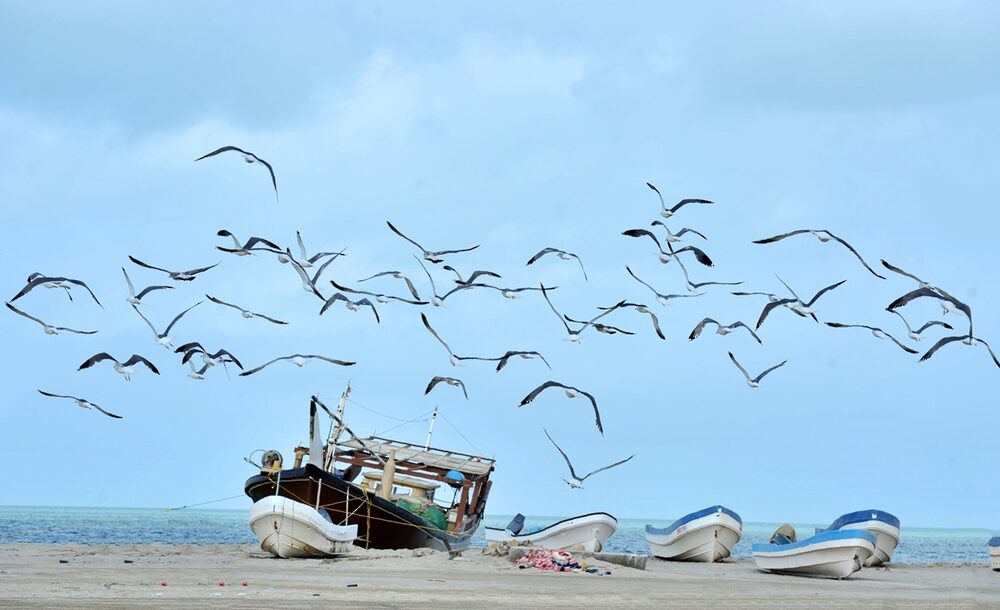

MUSCAT – The Environment Authority has identified Masirah Bay as a vital ecological area requiring continuous research and conservation efforts due to its rich habitats, including coral reefs, seagrass meadows, wetlands, mangroves, coastal lagoons and mudflats.
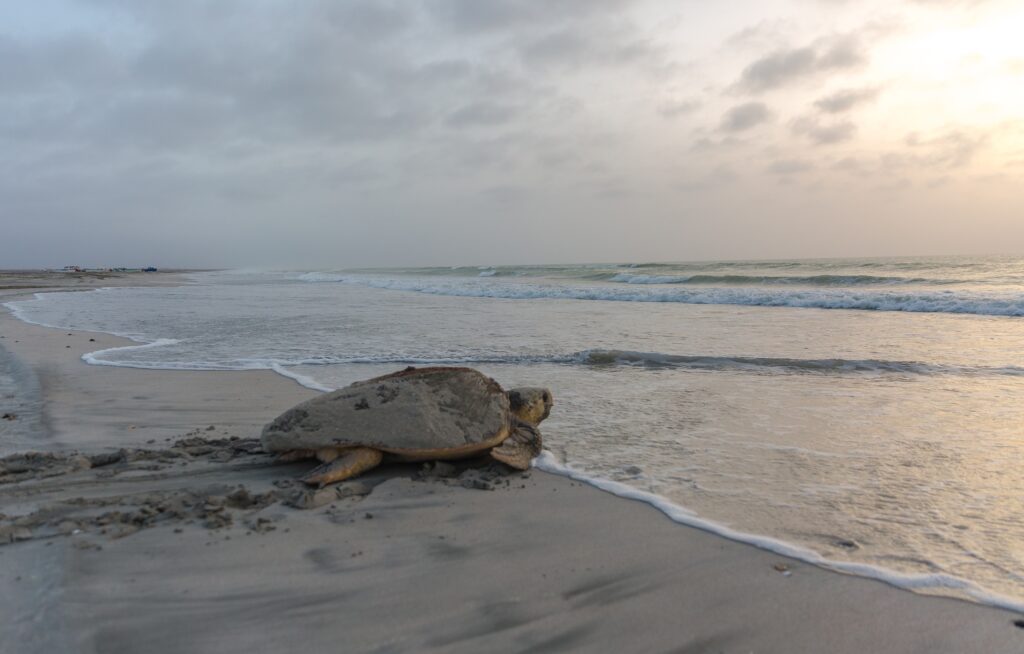
Dr. Aziza bint Saud Al Adhoobi from the Environment Authority said Masirah Bay, stretching from the north of Masirah Island to its south, with the western coast extending to areas in the Wilayat of Mahout including the Bar Al Hikman Peninsula, and the eastern coast represented by Masirah Island, is among Oman’s richest marine environments and one of the most important ecological areas regionally and globally.
She explained that the region contains a wide range of natural habitats, including shallow waters, salt marshes, mudflats and seagrass beds, which provide breeding, nesting and feeding grounds for many marine species, particularly fish stocks.
Read More
- Nepal Embassy steps up labour awareness for workers in Oman
- Oman police arrest 17 for illegal entry in Musandam
- Oman, Germany discuss restoring navigation in Hormuz, Red Sea
- Oman targets bigger Russian market as 16 firms showcase products in Moscow
- Salalah Airport handles nearly 687,000 passengers during Oman’s Khareef 2026
The bay is also home to important marine ecosystems, including coral reefs, algal communities and seagrass meadows. These habitats support migratory fish species and crustaceans, while providing feeding areas for sea turtles, including green turtles, loggerhead turtles and hawksbill turtles.
The Bar Al Hikman area contains one of the world’s largest single-species coral communities, dominated by cabbage coral (Montipora sp.), while more than 60 species of stony corals have been recorded along the reef margins.
Masirah Bay also hosts Oman’s largest seagrass meadow, mainly consisting of Halophila ovalis and Halodule uninervis species, making it a key marine habitat for turtles and other marine organisms.
Dr. Al Adhoobi noted that the area provides important habitats for reef fish, marine invertebrates, sea turtles, dolphins and whales. The bay is also considered a major feeding ground for the Arabian Sea humpback whale, one of the world’s most isolated whale populations and classified as endangered.
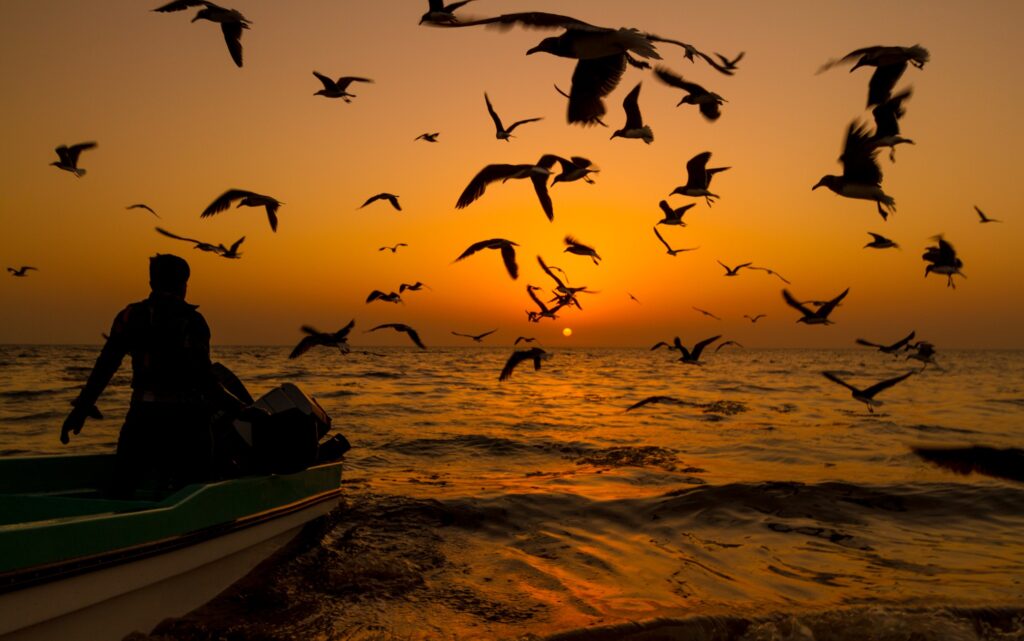
She added that the Bar Al Hikman Peninsula and Masirah Island lie along the West Asia–East Africa migratory route, with the region’s mudflats and salt marshes attracting around one million migratory birds annually.
The Bar Al Hikman area alone hosts more than 500,000 birds and serves as a key wintering site for waterbirds, with several species recording significant global populations in the region.
Majid bin Mahfoudh Al Araimi, Director of the Environment Centre in Masirah Island, said the Environment Authority continues to implement plans and initiatives aimed at sustainably managing marine areas in Oman and protecting marine ecosystems.
He pointed out that Masirah Bay is not only rich in biodiversity but also represents an environmental, economic and social heritage that requires protection and sustainable management.
Al Araimi highlighted that the bay supports endangered species such as sea turtles, whales and dolphins, while also serving as an important breeding and feeding environment that contributes to marine ecosystem balance.
He added that the green turtle is among the most prominent species found in the area, using the bay as a feeding ground before moving to nesting locations, including Ras Al Hadd in the Wilayat of Sur.
The region is also an important habitat for the Arabian Sea humpback whale, as well as Bryde’s whales, smooth minke whales and long-beaked dolphins.
The shores of Masirah Bay also attract hundreds of bird species, including resident and migratory birds such as terns, gulls, flamingos, herons, sandpipers and the Socotra cormorant.
Al Araimi said Masirah Bay has significant potential for sustainable ecotourism, combining natural landscapes, biodiversity and marine activities. The area offers opportunities for wildlife watching, bird photography, diving, swimming, surfing and boat exploration.
He noted that the bay’s coral reefs, mangroves and coastal habitats provide opportunities for scientific and educational tourism while supporting the cultural identity and traditional practices of local communities through fishing, heritage activities and marine traditions.





