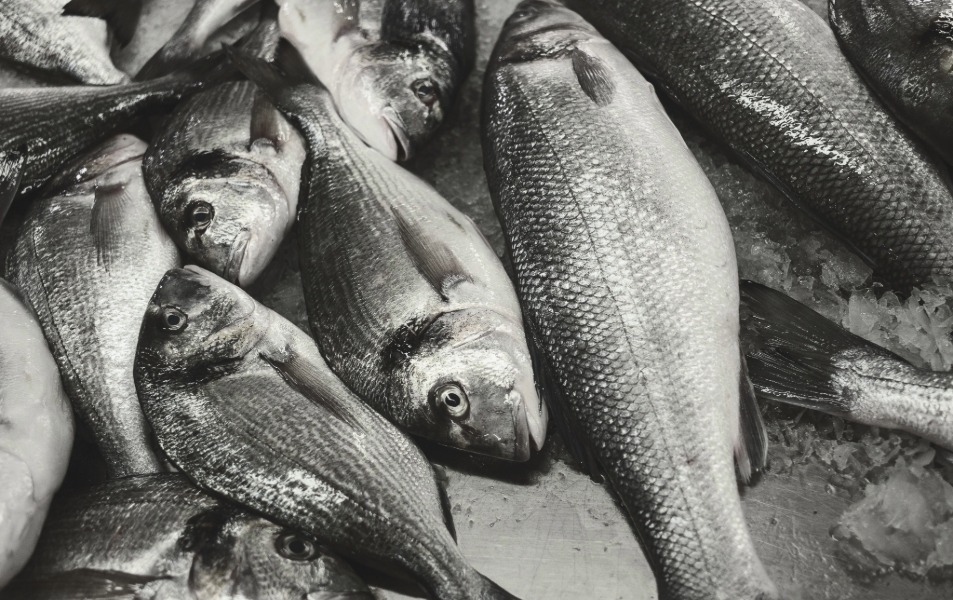

MUSCAT : The ministry said scombroid poisoning occurs when certain types of fish are not adequately chilled after being caught, leading to the formation of high levels of histamine. Unlike bacterial contamination, the toxin remains present even after the fish is cooked or frozen.
According to the ministry, symptoms can develop rapidly, often within minutes to hours after eating affected fish. Common signs include facial flushing, a sensation of heat, headache, dizziness and heart palpitations. Other symptoms may include itching, skin rashes, vomiting, diarrhoea and, in severe cases, difficulty breathing.
The ministry stressed that consumers should buy fish only from reputable sources and avoid purchasing products that show changes in smell, taste or appearance. The ministry also advised against leaving fish unrefrigerated for prolonged periods.
It further highlighted the importance of maintaining the cold chain throughout transportation, storage and display, noting that proper temperature control from the time of catch until consumption is the most effective way to prevent histamine formation and protect public health.
For all the latest news from Oman and GCC, follow us on Twitter, Instagram and LinkedIn, like us on Facebook and subscribe to our YouTube page, which is updated daily.
Read More
- Oman prepares online food delivery rules after customers raise price concerns
- Ministry invites bids to establish LPG filling station in Oman’s Masirah
- Travel agency representative in Muscat jailed, agency shut for a year over cancelled trips
- Oman’s CDAA urges mountain safety after foreign national critically injured in Jabal Shams fall
- Oman’s media must adapt to AI while upholding accuracy, minister says





