
Muscat: The day highlights the role turtles play in maintaining ecological balance while drawing attention to dangers such as pollution, climate change, habitat loss, and illegal hunting. It also encourages communities to adopt environmentally friendly practices, including reducing plastic use and protecting coastal ecosystems.
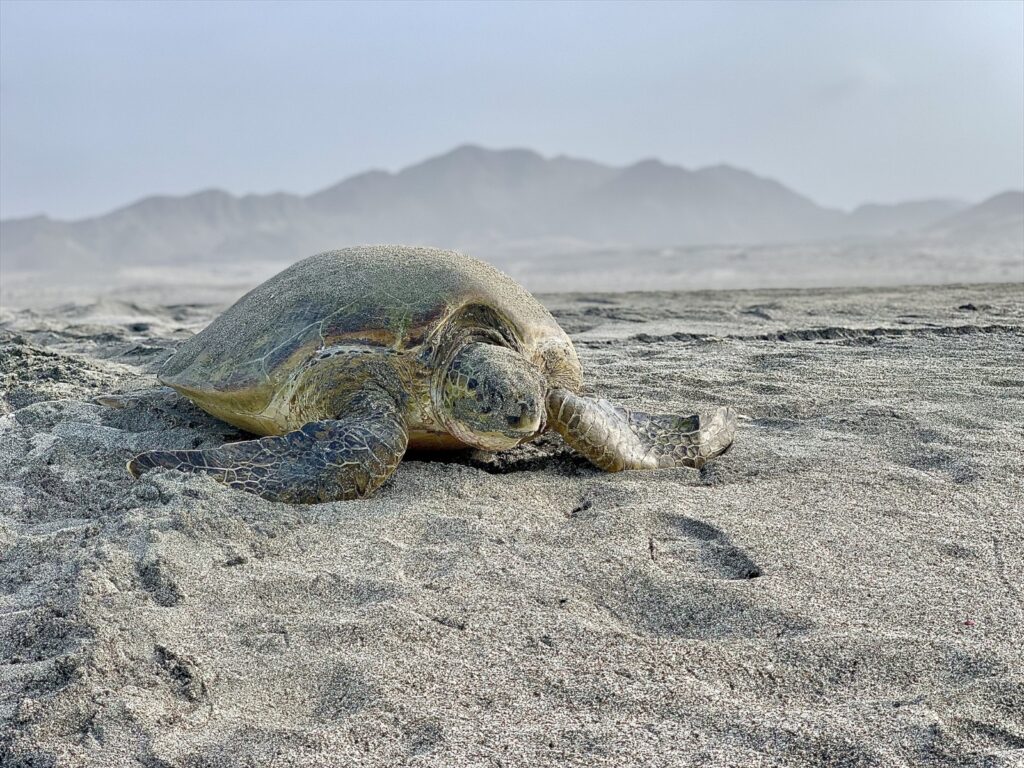
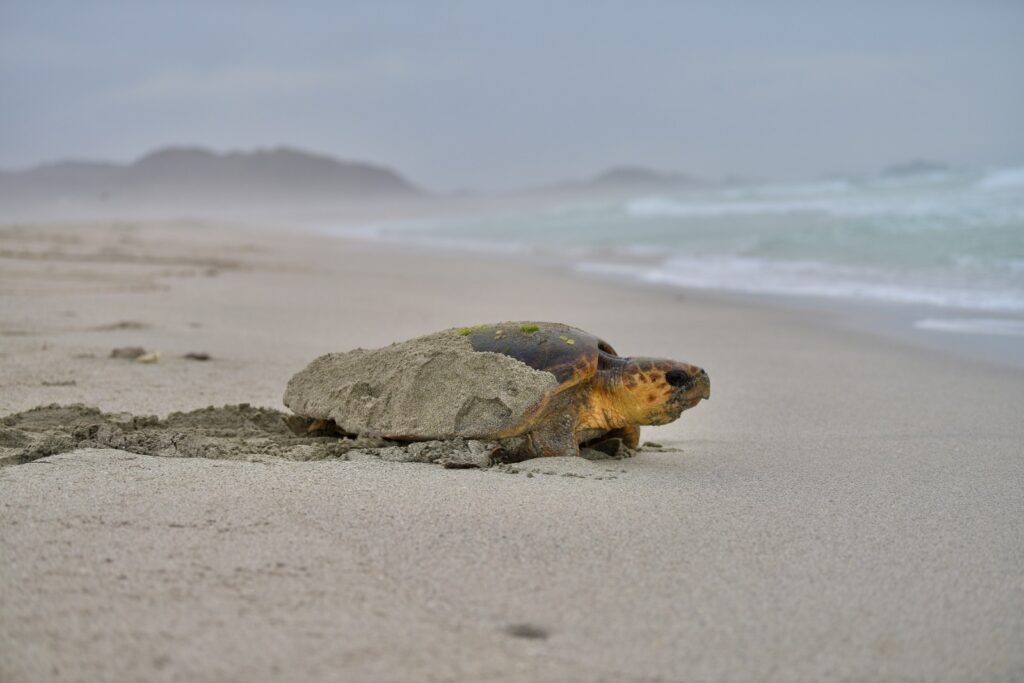
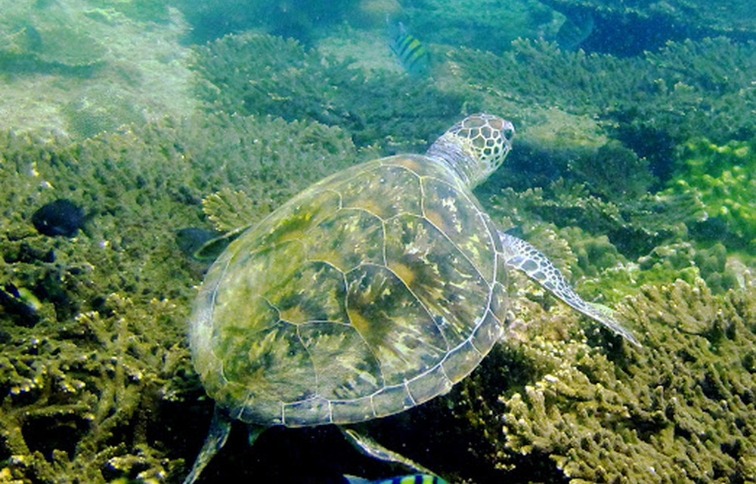
Oman is considered one of the world’s key nesting destinations for sea turtles, with sites such as Ras Al Jinz Turtle Reserve and Masirah Island hosting thousands of turtles annually. Ras Al Jinz is globally renowned for green turtle nesting, while Masirah Island receives nearly 30,000 loggerhead turtles each year. Four of the world’s seven sea turtle species, loggerhead, green, hawksbill, and olive ridley turtles, nest along Oman’s shores.
The Environment Authority said it continues to strengthen turtle conservation efforts through protected reserves including the Daymaniyat Islands Nature Reserve and Masirah Island reserves. Specialized teams monitor nesting beaches during breeding seasons, protect nests from threats, collect scientific data, and track turtle migration routes using satellite technology.
Read More
- His Majesty Sultan Haitham arrives in Kazakhstan
- Shura Council discusses Omanisation challenges in healthcare, shortage of rare specialties
- Oman signs aviation agreements covering airports, aircraft maintenance and training
- His Majesty Sultan Haitham departs for Kazakhstan on two-day state visit
- The Arabian Stories honoured by Oman’s Ministry of Transport for media contribution
Engineer Ahmed bin Saeed Al-Shukaili, Director of the Marine Environment Department at the Environment Authority, said annual turtle surveys are conducted across nesting areas in Dhofar, Al Wusta, Muscat, South Al Sharqiyah, and South Al Batinah governorates. He noted that the surveys help assess turtle populations, monitor environmental changes, and evaluate the success of nesting seasons in major sites including Ras Al Hadd, Ras Al Jinz, Al Dimaniyat, and Masirah Island.
He added that recent monitoring programs recorded an increase in nesting activity and hatchling numbers in Ras Al Jinz, Al Dimaniyat, and Masirah Island. The surveys also documented environmental pressures such as coastal erosion, rising sea levels, pollution, and human activity affecting nesting habitats.
The Authority said it continues to work closely with local communities, volunteers, and civil society organizations through awareness campaigns, beach clean-up drives, and turtle monitoring initiatives. Authorities are also encouraging the public to report injured or dead turtles and reduce plastic pollution that threatens marine ecosystems.
Engineer Aida bint Khalaf Al Jabri, marine environment specialist at the Environment Authority, explained that nesting seasons vary depending on turtle species and location. Hawksbill turtles nest in the Daymaniyat Islands between January and April, while green turtles nest in Ras Al Jinz from June to October. On Masirah Island, loggerhead turtles nest from May to September, while olive ridley and hawksbill turtles nest between February and May.
She revealed that the Environment Authority plans to launch a new turtle protection project on Masirah Island in 2027, which includes constructing a two-kilometre natural barrier to regulate vehicle movement and visitor access near nesting sites. Additional measures will also be introduced in the Al-Aijah area to prevent turtles from reaching nearby public roads.
Ghassi bin Hamad Al-Farsi, Director of the Sea Turtle Nesting Season Management Project on Masirah Island, said environmental teams continue to collect updated annual data on turtle populations and nesting success rates. He noted that recent surveys showed loggerhead turtles gradually shifting nesting activity toward southern beaches due to increasing noise, fishing activity, and light pollution in northern coastal areas.
He added that during the first nesting season from February to April this year, 77 hawksbill and olive ridley turtles were tagged, while loggerhead turtle tagging operations are currently underway and expected to peak between June and mid-August.