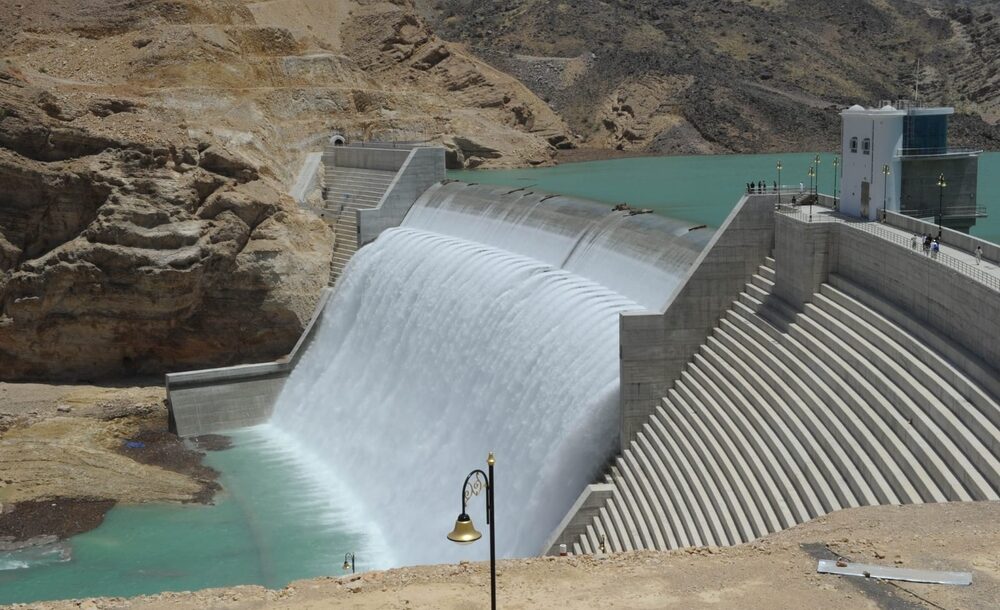

Muscat: The Ministry revealed that Muscat Governorate recorded a substantial share of the retained water, with 5.7 million cubic metres stored in Wadi Dayqah Dam and 0.99 million cubic metres in Al-Sabab Dam.
In South Al Batinah, dam levels also saw a notable rise, with Al-Taw Dam holding 5 million cubic metres, Al-Maawil Dam storing 4.6 million cubic metres, and Al-Falij Dam retaining 1.1 million cubic metres.
Musandam Governorate registered smaller yet significant volumes, including 0.4 million cubic metres in Khub Al Shamsi Dam, 0.45 million cubic metres in Al Sarouj Dam, and 0.13 million cubic metres in Sahna Dam.
Read More
- Thunderstorms, strong downdraft winds sweep parts of Oman
- Saudi Crown Prince sends written message to His Majesty Sultan Haitham
- Oman FM arrives in Tehran, discusses safe passage of ships through Strait of Hormuz
- CPA seizes 1,668 soft drinks, 177 expired juice cans in Oman
- Oman’s Labour Ministry warns against fictitious employment and data misuse
Meanwhile, in Al Dhahirah Governorate, both Al Sudaireen Dam and Surur Dam reached full capacity, highlighting the intensity of rainfall in the region.
North Al Batinah recorded 0.02 million cubic metres in Saih Al-Barir Dam, while Al-Aqida and Al-Naba dams were reported full. In North Al Sharqiyah, Qafifa Dam stored 0.35 million cubic metres and Al-Wariya Dam retained 0.01 million cubic metres.





