
Muscat: The initiative comes as part of Oman’s broader environmental strategy to tackle climate change, rising sea temperatures, and threats to marine biodiversity, while supporting natural habitats for economically important marine species such as grouper fish.
Officials said Oman’s marine environment is home to a unique diversity of coral reefs stretching from the Governorate of Musandam to Dhofar. These coral communities are known for their scientific importance and their ability to adapt to changing environmental conditions, including high temperatures, salinity, and seasonal fluctuations.
Engineer Ahmed bin Saeed Al-Shukaili, Director of the Marine Environment Department at the Environment Authority, said periodic environmental studies and marine surveys help monitor living coral cover, growth rates, and the impact of coral bleaching, enabling authorities to make scientifically informed conservation decisions.
Read More
- Indian crew injured in MT On Peace attack recovering in Oman, embassy says
- Oman, Italy discuss tourism cooperation to boost visitor numbers
- Oman’s Urban October event draws over 60,000 visitors, records more than 230 deals
- Oman condemns Saudi airport attacks, urges restraint
- Oman convenes global experts to advance AI innovation in mental healthcare
Al-Shukaili highlighted several challenges facing coral reefs, including abandoned fishing nets, improper anchoring by fishing boats, tropical storms, and the spread of crown-of-thorns starfish that feed on coral formations.
He noted that some of Oman’s most prominent coral reef destinations include the Daymaniyat Islands Nature Reserve, Musandam’s Khor Najd and Telegraph Island, the Hallaniyat Islands in Dhofar, and Bandar Al Khiran in Muscat, all known for their rich biodiversity and appeal to diving and snorkeling enthusiasts.
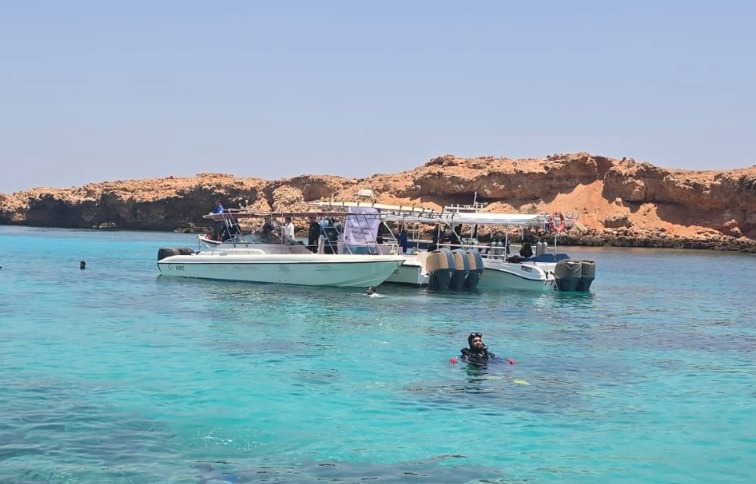
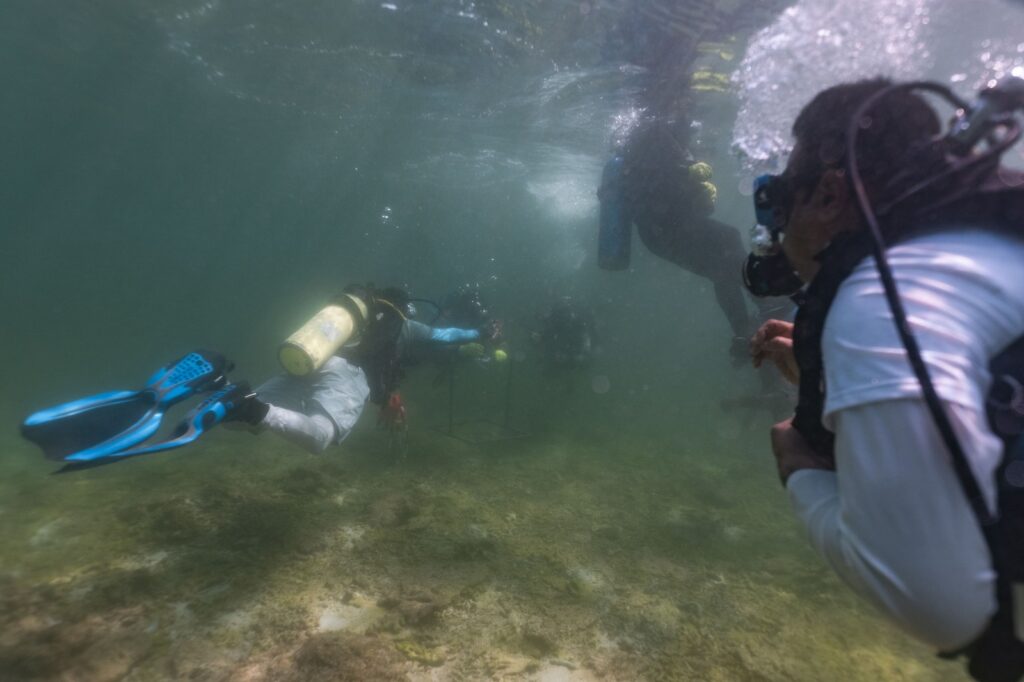
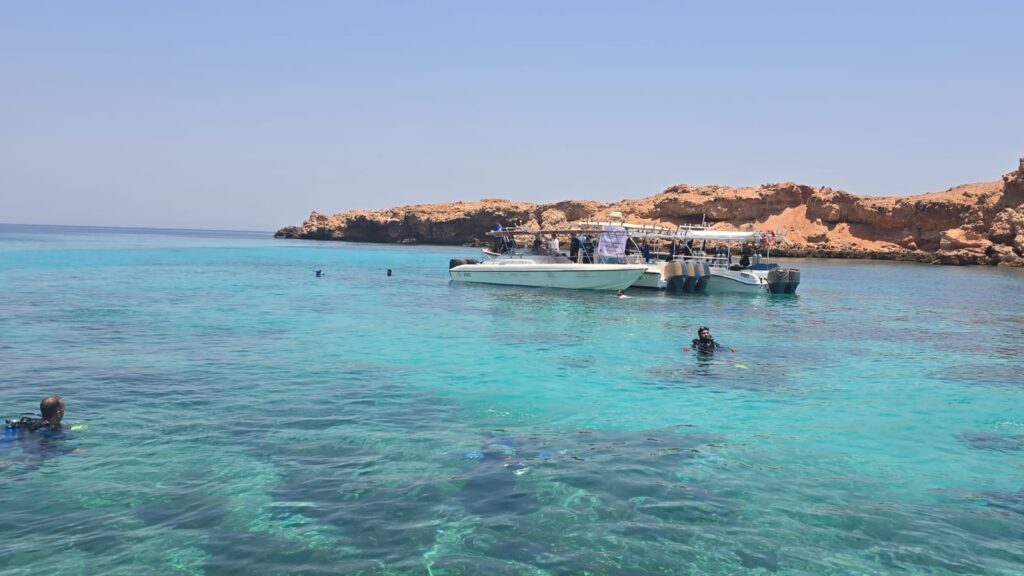
As part of its national “blue forests” restoration project, the Environment Authority on Thursday launched a new phase of direct coral reef cultivation in the Daymaniyat Islands Nature Reserve. The project aims to strengthen marine ecosystems, improve resilience against climate challenges, and preserve Oman’s unique marine biodiversity.
According to officials, coral reefs play a crucial role in supporting nearly 25 per cent of marine organisms, protecting coastlines from erosion, and enhancing food security and tourism.
The project includes rehabilitating damaged reef sites, accelerating natural recovery through direct aquaculture techniques, enhancing fish stocks, and establishing a scientific database through marine surveys to monitor coral growth and climate impacts.
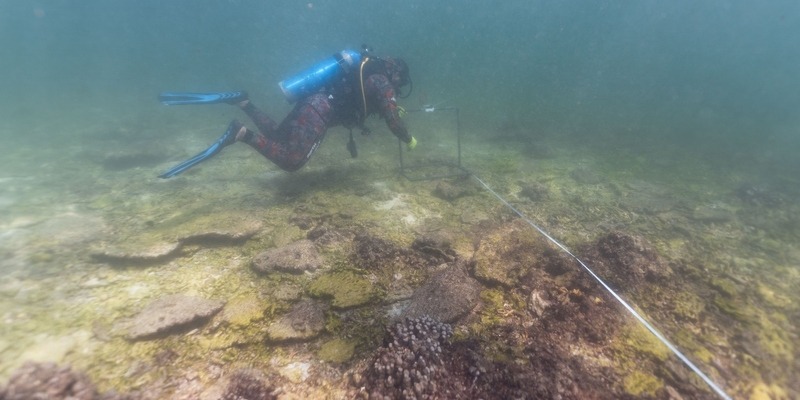
Al-Shukaili explained that the project relies on direct coral cultivation by attaching coral fragments onto hard rocky seabeds at depths ranging between 5 and 12 metres to ensure suitable light conditions and water current stability. Survey operations are conducted using 30-metre cross-sections based on International Maritime Organization survey standards.
Meanwhile, Hanaa bint Saeed Al-Rawahi, Marine Life Management Specialist at the Environment Authority, said Oman has built a strong record in coral reef conservation through several pioneering projects.
These include the “Coral Nursery” initiative at the coastal tourist area of Jumeirah Muscat Bay, coral cultivation projects in Musandam carried out with local communities, and the artificial reef project in Al Suwaiq, considered one of the largest in the region.
She added that the Daymaniyat Islands project is being implemented in partnership with Sultan Qaboos University, with support from Oman LNG and the participation of the Sea of Oman Diving Team.
The project aims to cultivate between 600 and 1,000 coral fragments using advanced direct fixation techniques and scientific monitoring systems that study water temperature, oxygen levels, acidity, and reef survival rates to ensure long-term sustainability.
For all the latest news from Oman and GCC, follow us on Twitter, Instagram and LinkedIn, like us on Facebook and subscribe to our YouTube page, which is updated daily.





