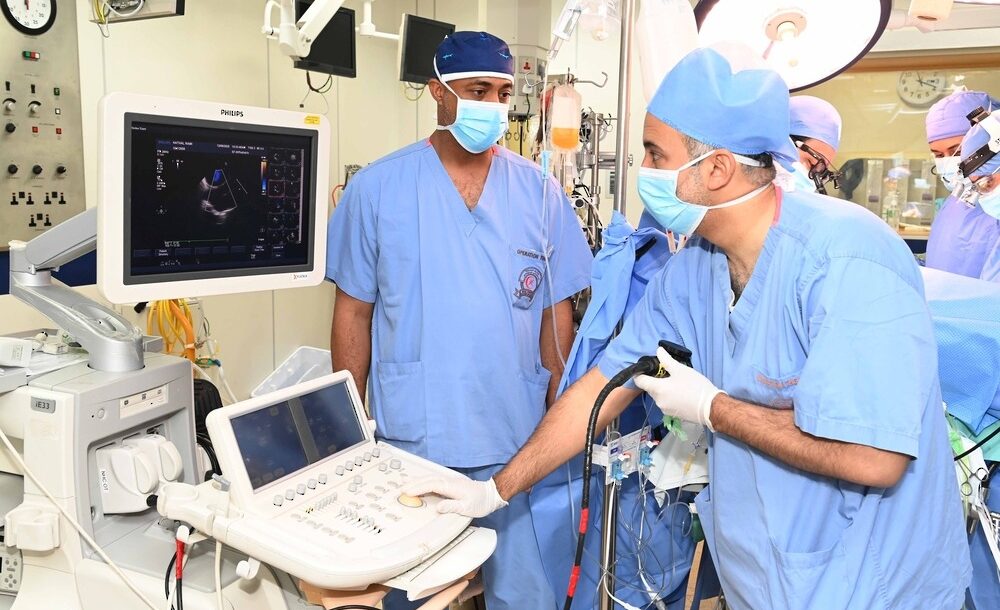

MUSCAT – The data reflects the Sultanate’s growing focus on enhancing its diagnostic and therapeutic capabilities in the field of cardiovascular health, in line with broader efforts to modernise and strengthen the national healthcare system.
Imports included a range of sophisticated devices, most notably electrocardiogram (ECG) machines, pacemakers, and X-ray machines used for medical diagnostics. Among these, X-ray machines saw the highest increase in import value at 8.7 percent, while pacemaker imports rose significantly by 91.9 nine percent.
In terms of human resources, the data also showed that the number of cardiac surgeons at the Ministry of Health stood at 19 in 2024, compared to 30 in 2023. Additionally, one physician specialising in paediatric cardiology was recorded for the same year.
Read More
- Oman participates in London Press Club awards, presents Journalist of the Year honours
- His Majesty Sultan Haitham concludes UK state visit as investment and trade ties deepen
- Oman Meteorology: Moderate chance of tropical activity in Arabian Sea, no direct impact expected
- Oman’s TRA to host public dialogue on child online safety
- His Majesty Sultan Haitham meets company executives, reviews innovative projects
The focus on expanding the medical equipment base comes as part of broader national efforts to upgrade healthcare services and support specialised medical personnel, aligned with the objectives of Oman Vision 2040. This includes improving quality of life, expanding healthcare access, and advancing Sustainable Development Goal 3 (good health and well-being), particularly in reducing deaths from non-communicable diseases through better diagnosis and treatment.
On the other hand, the private healthcare sector continued to complement national efforts by introducing modern medical technologies. The Tawazon Centre, which specialises in quantum medicine and bio-integration, introduced the NLS medical diagnostic system, based on nonlinear technology.
According to Dr. Salem bin Saeed Al Wahaibi, an expert at the centre, the device is the only one in the world capable of examining all organs and body systems in real time with extreme precision, without any surgical or biological intervention. It works by transmitting and receiving detailed information about the cellular and molecular state of the body, which is then translated into accurate diagnoses and precise treatment recommendations.





