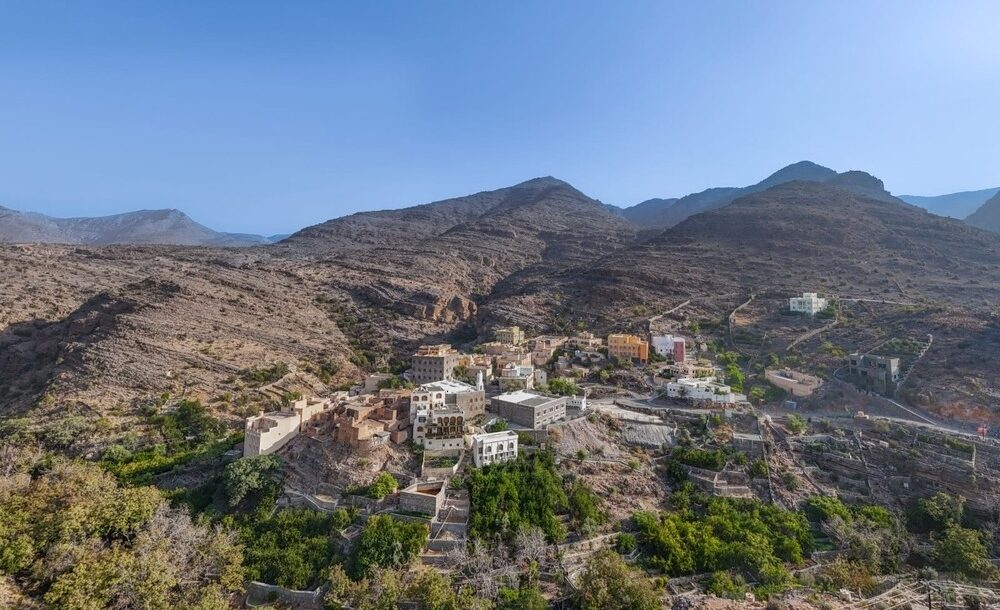

MUSCAT – Renowned for its breathtaking natural landscapes, diverse terrain, and rich cultural heritage, the village is drawing increasing numbers of nature enthusiasts and travellers seeking authentic, eco-conscious experiences in the highlands.
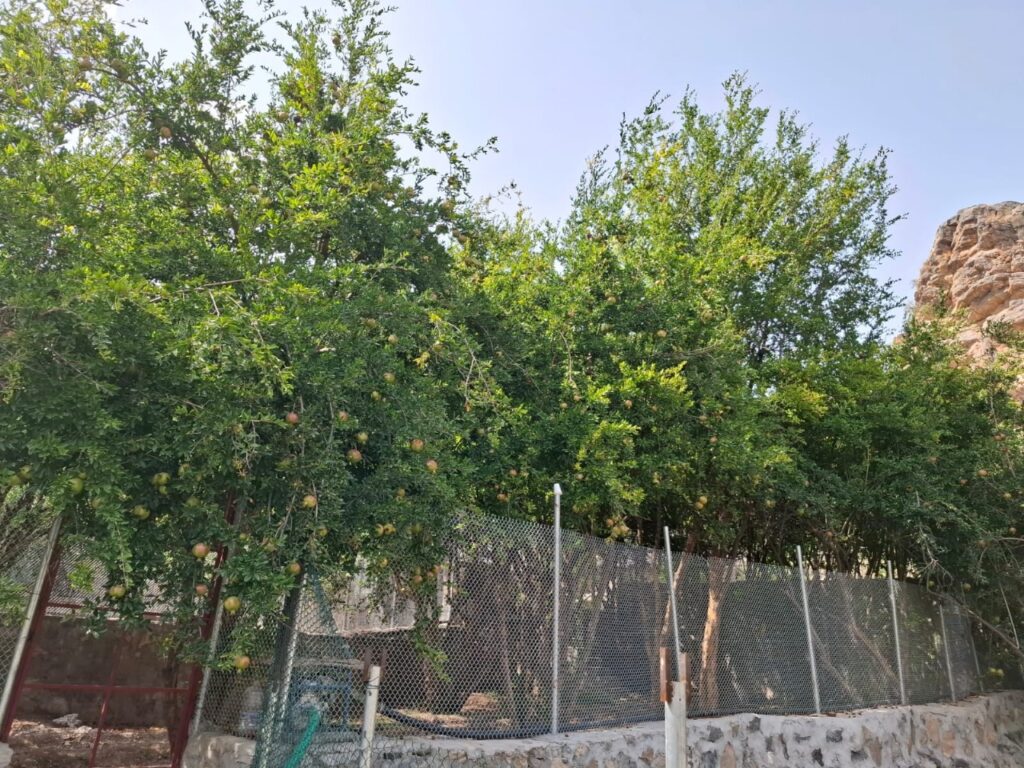
The village is surrounded by indigenous flora including ancient trees such as wild olive (Al Utum), wild berries (Al Boot) and Al’alan tree (Juniperus Excelsa). Local residents maintain traditional agricultural practices, cultivating pomegranates, peaches, apricots, olives, and walnuts alongside livestock rearing – activities that collectively form the economic backbone of the community.
Strategically located in the eastern part of Al Jabal Al Akhdar, Al Manakhir holds the distinction of being the first village in the region to greet the sunrise and the primary destination for visitors arriving via the Birkat Al Mouz – Al Jabal Al Akhdar route.
Ahmed bin Hamad Al Nabhani, Municipal Council representative for Al Jabal Al Akhdar, highlighted the village’s rich historical and cultural heritage: “Al Manakhir boasts seven mosques, including the architecturally significant Al Bilad Mosque that reflects the village’s religious identity. Notable landmarks include the restored Al Ghaba Tower in 2010 and Mitrah Boukbeer – the area’s largest seasonal waterfall during wadi flows.”
Al Nabhani explained that Al Manakhir connects to multiple villages across A’Dakhiliyah and South Al Batinah governorates through established trails including Wadi Mistal in Nakhal, Wadi Halfin to Samail, Wadi Bani Kharus to Al Awabi, and Imti village to Izki. These routes, marked with directional signage by the Ministry of Heritage and Tourism, have become popular for hiking and mountaineering while facilitating discovery of the area’s historical sites.
Mahmoud bin Salim Al Toubi, a village resident, emphasizsd Al Manakhir’s year-round agricultural appeal: “The village has become a sustainable tourism magnet through its harvest seasons – roses, pomegranates, olives, grapes, peaches and walnuts – complemented by agricultural trails offering adventurous exploration of mountainous terrain and historical landmarks.”
He added that the village’s ancient irrigation systems form another attraction, with notable aflaj (ancient irrigation system or water channels) including Al Manakhir Falaj, Ain Al Biban, Ain Al Rassa, Kour Al Madhaf, Wadi Al Rumana Dam, and Al Biban Dam sustaining the agricultural landscape. These traditional water management systems demonstrate centuries-old Omani hydraulic engineering while supporting the village’s agro-tourism offerings.
Tourism officials note that Al Manakhir’s combination of natural assets, cultural heritage, and sustainable agricultural practices positions it as a model for community-based tourism development in Oman’s mountainous regions. The village continues to attract growing numbers of domestic and international visitors seeking authentic cultural experiences amid spectacular highland scenery.
Read More
- Oman officials inspect oil pollution impact at Ras Madrakah beaches
- New tourism projects in Oman’s Al Dakhiliyah Governorate reach up to 94% completion
- Oman confirms start of Rabi’ al-Awwal on August 14
- Oman activates emergency response to curb oil spill after tanker grounds near Hallaniyat Islands
- Oman’s Transom expands into Algeria with Air Algérie partnership





