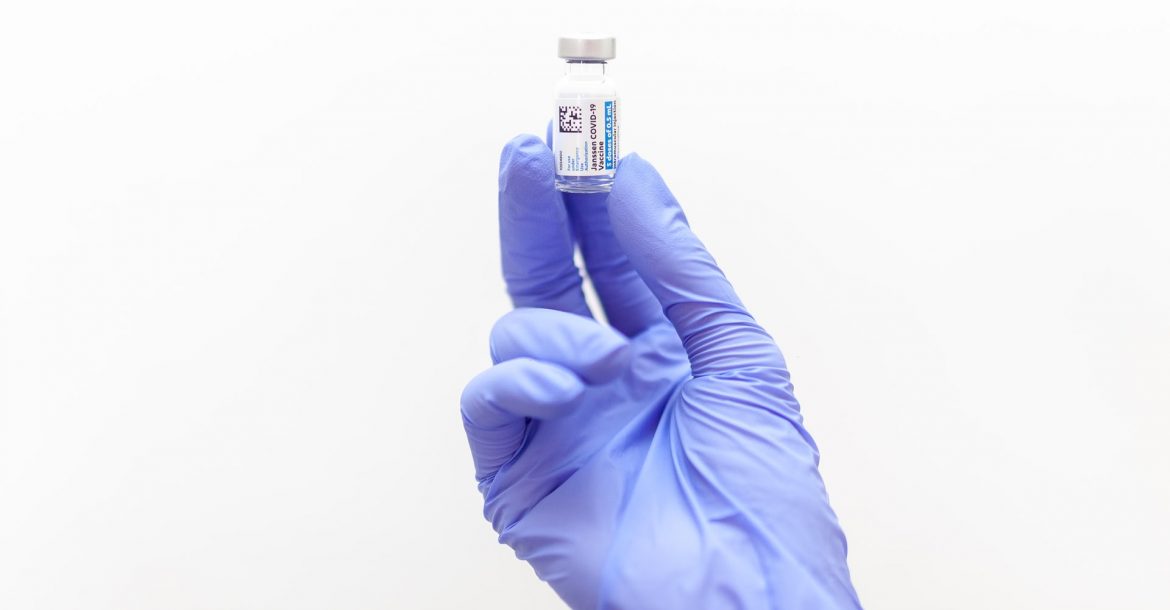

MUSCAT: An Omani citizen who received the COVID-19 vaccine recently faced eyesight problems two hours after taking the jab which forced him to do a video that went viral on social media.
However, in a detailed clarification, the Ministry of Health said his eyesight issue has nothing to do with taking coronavirus vaccine and the two were unrelated incidents. “The Ministry of Health has closely followed the video broadcast by a citizen describing his difficulty with sight after receiving the COVID-19 vaccine.The aforementioned citizen had difficulty seeing after only two hours after taking the vaccine and he was examined by ophthalmologists at Sohar Hospital, as well as by haematologists and ophthalmologists at Sultan Qaboos University Hospital. He underwent many tests that did not show a relationship between his health issue and the vaccine. He was further given an appointment to visit the Sultan Qaboos University Hospital,” MOH said in the statement.
According to the Ministry, the central retinal vein occlusion affects about 2.5 million people all over the world and “occurs suddenly and has many causes, such as: diabetes, blood viscosity, infections, smoking, glaucoma, obesity, cholesterol and high blood pressure.”
Read More
- Heavy rain and hail lash Oman’s Al Buraimi, triggering wadi flows
- Honourable Lady visits Omani Women’s Association in Salalah
- Oman Foreign Minister holds talks with Tunisia, Brunei on bilateral ties and global developments
- Oman, Kazakhstan review bilateral ties and regional developments
- Oman’s Health Ministry urges public to act on suspected unsafe food
“The Ministry of Health confirms the effectiveness and safety of the vaccines it uses, as well as confirming that there are no recommendations from the World Health Organisation or vaccine manufacturers that any tests should be carried out before receiving the vaccinations. The Ministry also affirms that it monitors all side effects associated with vaccinations, and till now some of those vaccinated have shown only minor symptoms such as fever, headache and pain at the injection site,” the statement added.





