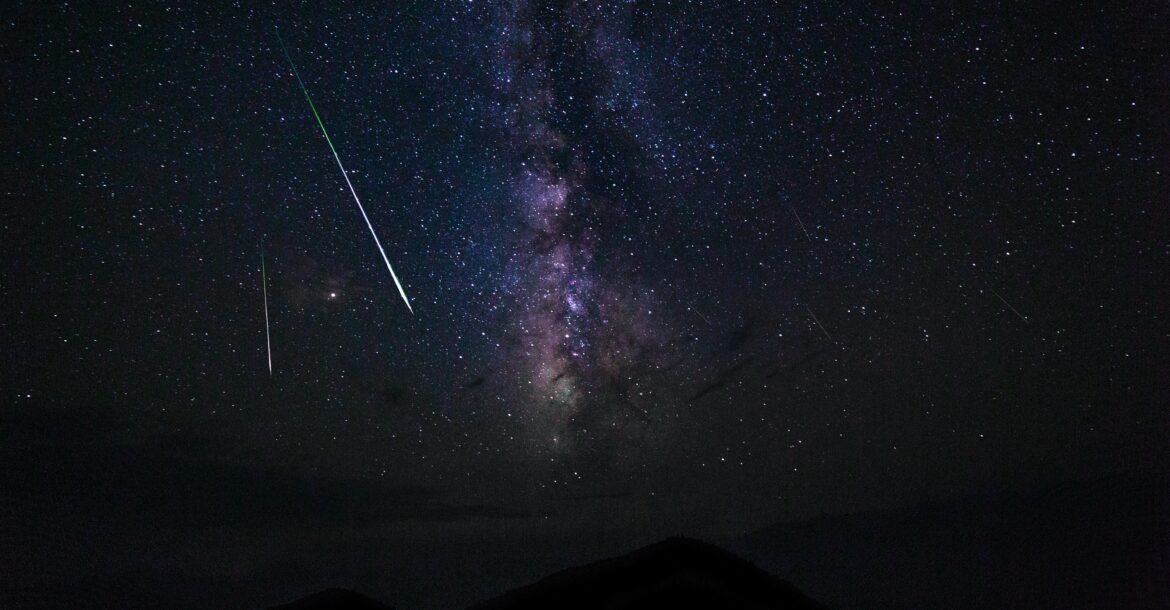

MUSCAT: The annual celestial event, originating from debris left behind by Halley’s Comet, can produce around 20 meteors per hour under ideal viewing conditions.
The meteors travel at an estimated speed of 66 kilometres per second, appearing to radiate from the Orion constellation, also known as the Hunter.
The society said the best viewing conditions are generally after midnight, with observers advised to choose dark locations away from city lights to improve visibility.
However, the waxing gibbous Moon may affect observations by washing out some of the fainter meteors, making it harder to see the full display.
Read More
- Oman’s Labour Ministry urges job security benefit recipients to reactivate job search status
- RO 56 million Al Nama Hospital in Oman’s Al Mudhaibi reaches 87% completion
- Indian Embassy in Oman warns of fraudulent calls seeking money over visa, passport issues
- SBI data leak raises questions over data security for Indian loan customers in Oman
- Oman FM says His Majesty’s UK state visit gives strategic partnership fresh momentum





