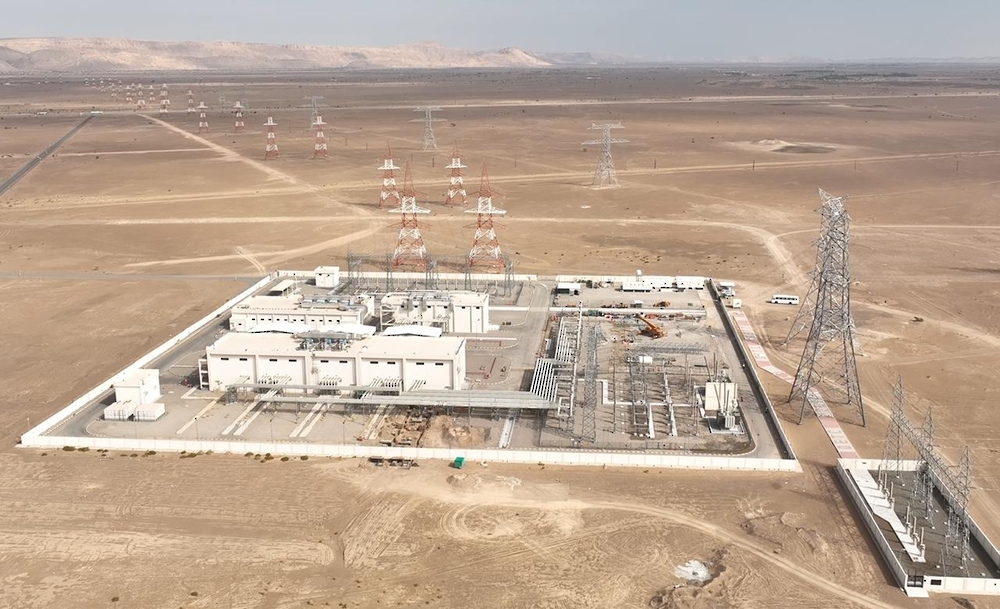

MUSCAT – The preliminary data released by the National Centre for Statistics and Information (NCSI) showed that Muscat Governorate recorded the highest growth in total electricity production, surging by 204.8 percent, followed by Al Dakhiliyah with 44.1 percent, Al Wusta with 8.4 percent, North Al Batinah, South Al Batinah and Al Dhahirah with 5.5 percent, and Dhofar with 4.6 percent.
In contrast, electricity production in North and South Al Sharqiyah declined by 16.4 percent, while Musandam’s production remained unchanged at 376.0 GWh.
Net electricity production, which includes purchases by Oman Power and Water Procurement Company and the Rural Areas Electricity Company, rose by 4.6 percent to 36,463.9 GWh by the end of August 2026, compared with 34,871.8 GWh in the corresponding period last year.
Read More
- Nama invests RO 5.07 million in electricity projects across Oman’s Musandam
- Al Mouj Walk wins Silver MENA Region Retail Award for THE MARKET
- Bank Muscat launches Shari’a Money Market Fund for Retail and Corporate Investors
- Jindal Steel and Sohar University Partner to establish Jindal Skill Training Centre in Oman Sohar, Sultanate of Oman
- US authorises emergency exchange of 4 million barrels from strategic oil reserve
Muscat again recorded the highest growth in net electricity production, at 204.4 percent, followed by Al Dakhiliyah at 44.2 percent, Al Wusta at 9.1 percent, Dhofar at 7.6 percent, and North Al Batinah, South Al Batinah and Al Dhahirah at 5.4 percent.
Net electricity production in North and South Al Sharqiyah fell by 16.6 percent, while Musandam recorded 368.0 GWh, unchanged from the same period in 2025.
Meanwhile, Oman’s total water production declined by 3.5 percent in the first eight months of 2026, reaching 330,649.3 thousand cubic metres, compared with 342,709.7 thousand cubic metres during the same period last year, the NCSI data showed.
Water production in Muscat fell by 6.2 percent to 128,068.6 thousand cubic metres, down from 136,574.7 thousand cubic metres in the corresponding period of 2025.
Production across the other governorates decreased by 3.4 percent to 149,899.6 thousand cubic metres, compared with 155,193.3 thousand cubic metres a year earlier.
Dhofar was the exception, recording a 3.4 percent increase in water production to 52,681.2 thousand cubic metres from 50,941.7 thousand cubic metres in the same period of 2025.





