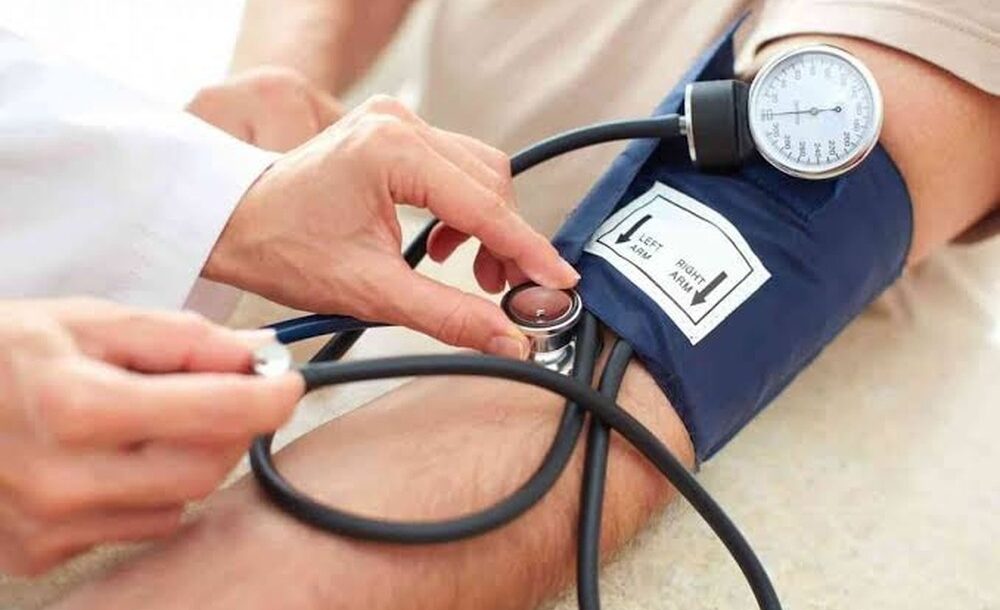

LONDON : The study, published in BMJ Public Health, analysed blood-pressure measurements from approximately 1.4 million adults who participated in the Our Future Health programme between 2022 and 2025. Researchers at Oxford Population Health found that 37 percent of participants had hypertension, while 59 percent of those with the condition had never been diagnosed and were not taking blood-pressure-lowering medication.
The researchers used the World Health Organization definition of hypertension, identifying the condition as a systolic blood pressure reading of 140 mmHg or higher, a diastolic reading of 90 mmHg or higher, or the use of blood-pressure-lowering medication.
The prevalence of hypertension increased sharply with age, rising from 15 percent among adults aged 18 to 39 to 71 percent among those aged 80 and older. After age standardisation, hypertension was also more common among men, at 42 percent, compared with 29 percent among women.
The study found that the challenge extends beyond diagnosis. Among people taking one or more blood-pressure medications, 50 percent still had elevated blood pressure of 140/90 mmHg or higher, indicating that many patients’ receiving treatment may not have their condition adequately controlled.
The researchers said the findings point to the need for broader strategies to detect high blood pressure earlier and improve treatment and control, including among younger adults, who may already have hypertension despite not routinely being targeted by existing screening programmes.
For all the latest news from Oman and GCC, follow us on Twitter, Instagram and LinkedIn, like us on Facebook and subscribe to our YouTube page, which is updated daily.
Read More
- Oman lays foundation stone for genome centre costing more than RO 4.2 million
- ADHD: An emerging discussion on a shared disorder
- Matcha Mania: Is the green drink really as healthy as it seems?
- Oman marks World Health Day, highlights commitment to health innovation and digital transformation
- Muscat oncology conference showcases latest advances in immunotherapy and targeted therapy





