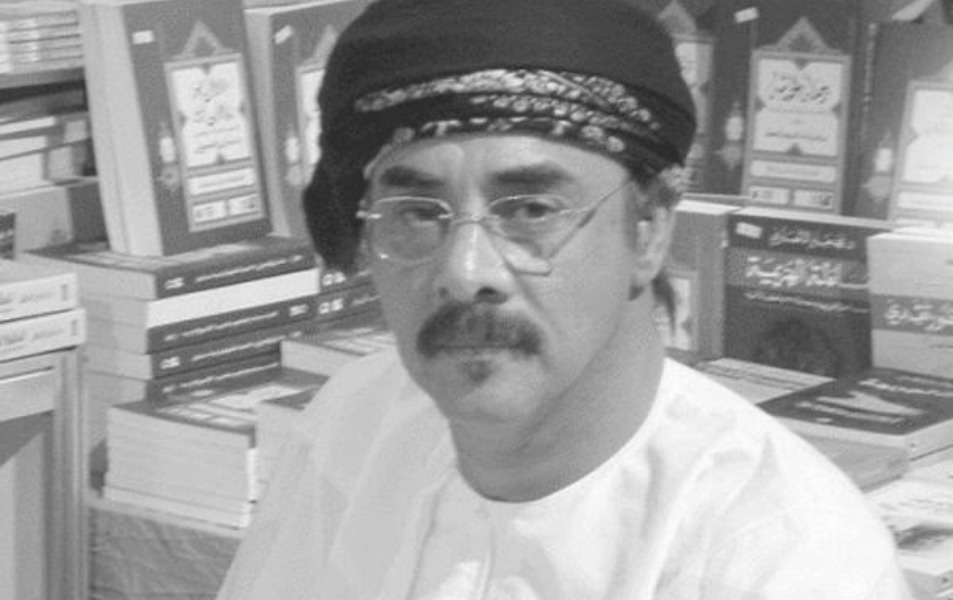

MUSCAT : Omani novelist and writer Mohammed Eid Al Araimi has died, leaving behind a body of work that explored disability, resilience and the social transformation of Oman.
Born in 1954 in Wadi Al Murr in Oman, Al Araimi spent part of his early life moving between cities in Oman and elsewhere in the Gulf before travelling to the United States, where he earned a bachelor’s degree in industrial engineering.
He later joined Petroleum Development Oman. In 1982, while travelling to a work site in Oman’s oilfields, Al Araimi was involved in a road accident that resulted in quadriplegia following a spinal cord injury. After rehabilitation, he returned to work, taking up a role in translation.
Read More
- Oman to reject halal certificates from non-designated bodies starting July 2027
- Duqm investment climbs to RO8.8 billion as Oman accelerates economic zone growth
- His Majesty Sultan Haitham begins visit to Al Wusta, South Al Sharqiyah
- Royal Navy of Oman evacuates 27 crew from MV Cape Dao after vessel targeted
- Indian national killed in attack on MV Cape Dao; 18 others among crew, embassy says
The accident became a defining moment in his life and later formed the foundation of his best-known work, The Taste of Patience, an autobiographical account of his experience with disability and his efforts to rebuild his life.
Al Araimi said the book was intended to show what it meant for a person to suddenly lose physical independence while continuing to assert a full right to life. The work attracted significant attention in Oman and across the Gulf and helped establish him as an important voice in Omani autobiographical writing.
He subsequently turned to fiction, publishing his first novel, Hazz Al Qaid, in 2005. His other works included Between the Desert and the Water in 2008, the short-story collection Rainbow in 2010, Tales of Younis Haim in 2014 and Testimony from a Time of War in 2015.
Al Araimi also worked in translation, producing an Arabic translation of George Orwell’s Animal Farm.
His writing drew extensively on personal experience as well as the social and cultural changes Oman underwent during his lifetime, particularly the transition from traditional life to the country’s modern development.
Al Araimi’s work was also the subject of academic and literary discussion in Oman, including a symposium organised by the Omani Society for Writers and Literati that examined autobiographical elements in his writing.
His death brings to a close a literary journey shaped by an accident that radically altered his life but ultimately became central to a body of writing about endurance, memory and the human experience.
For all the latest news from Oman and GCC, follow us on Twitter, Instagram and LinkedIn, like us on Facebook and subscribe to our YouTube page, which is updated daily.





