
Muscat: With production reaching 40,000 tonnes in 2025 and major projects targeting an annual output of 5 million tonnes, the sector is emerging as a key contributor to the Sultanate’s industrial and economic diversification goals.
Oman is witnessing significant growth in its salt industry, with increasing focus on downstream manufacturing and value-added products derived from salt. These include high-purity industrial salt, food-grade salt, and chemical compounds such as bromine, caustic soda, soda ash and polyvinyl chloride (PVC), all of which are expected to boost industrial investment and enhance the economic value of the resource.
According to 2025 indicators, Oman produced approximately 40,000 tonnes of salt, of which around 30,000 tonnes were exported to international markets, while domestic consumption stood at 10,000 tonnes.
Read More
- OPEC Fund approves up to $40 million for Sustainable City – Yiti development in Oman
- Muscat Stock Exchange strengthens its presence at Oman Climate Week 2026 and supports Sustainable Investment
- FSA honours Omani winners of GCC Smart Investor Award
- NAMAT sixth edition launches at Oman Climate Week
- Oman signs RO 621,000 deals to restore aflaj in Al Dhahirah
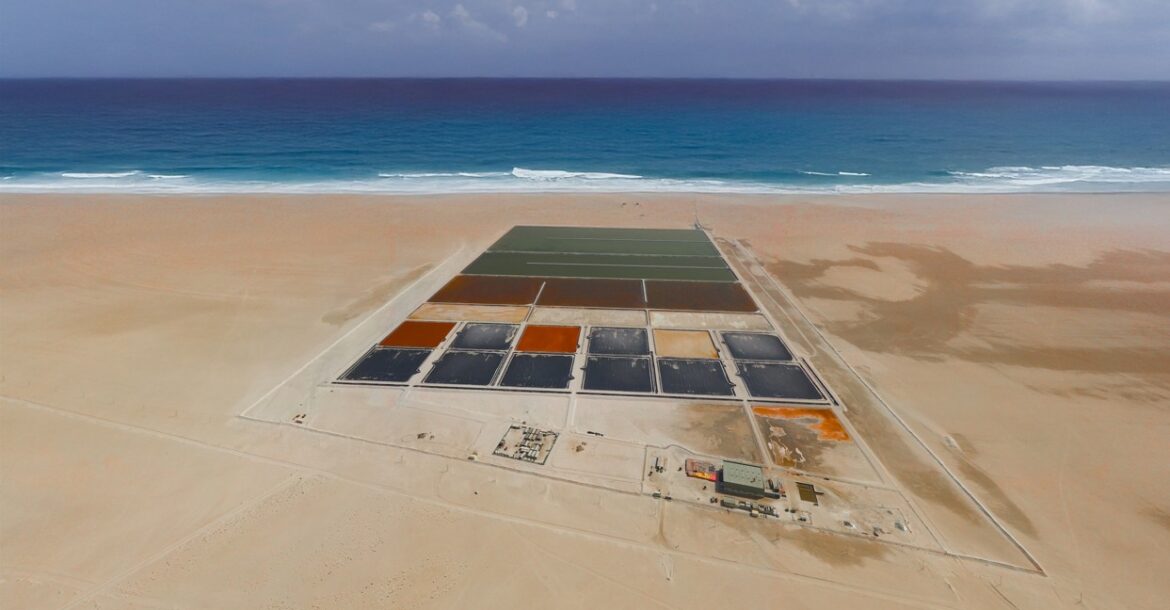
The sector’s expansion is supported by the signing of four mining concession agreements for marine salt projects along the coasts of Al Wusta Governorate. These projects, valued at more than US$1 billion, are expected to achieve a combined production capacity of around 5 million tonnes annually while supporting the establishment of related manufacturing industries.
Engineer Saud bin Khamis Al Mahrouqi, Director General of Minerals at the Ministry of Energy and Minerals, said industrial minerals, including salt, represent a strategic resource for local, regional and international markets. He noted that Omani salt enjoys several competitive advantages, including high product quality, a strategic geographic location, favourable climatic conditions for natural evaporation and growing opportunities in downstream industries.
He added that the benefits of salt projects extend beyond economic returns, creating opportunities for small and medium enterprises in logistics, transport, supplies and support services. These activities help stimulate local economies and strengthen community participation in line with the objectives of the Mineral Resources Law.
Al Mahrouqi also stressed the importance of Omanisation in the sector’s development. As salt production shifts towards advanced technical and industrial operations, new employment opportunities are being created in engineering, geology, operations management, maintenance, quality control, safety and logistics, helping strengthen the role of Omani talent across the mining value chain.
Al Wusta Governorate has emerged as the centre of Oman’s modern salt industry, hosting six mining concession areas. The region benefits from extensive coastlines, strong wind conditions, suitable environments for evaporation ponds, proximity to oil and gas activities and easy access to export ports.
Modern salt projects in Oman increasingly rely on scientific studies, engineering-based evaporation basin designs and renewable energy solutions to improve efficiency and sustainability. Many projects utilise natural solar evaporation, reducing energy consumption and environmental impact compared to other extractive industries.
The Ministry of Energy and Minerals said companies operating in the sector are committed to environmental monitoring, rehabilitation programmes and strict health and safety standards, ensuring a balance between economic growth and environmental protection.





