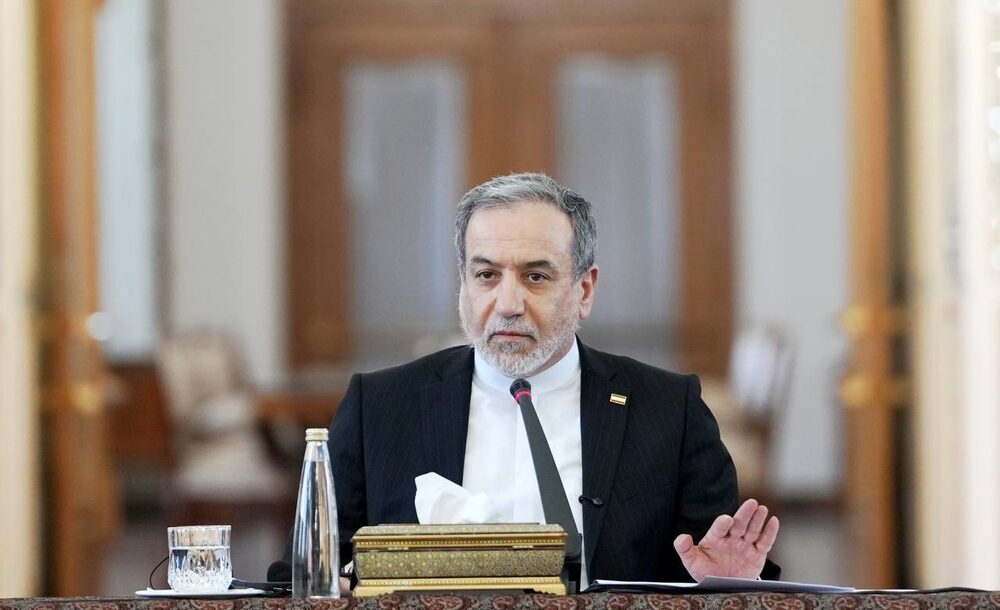

Tehran: Speaking during a meeting with ambassadors and heads of international missions in Tehran, Araghchi said the negotiation process would take place in two distinct phases.
According to the Iranian foreign minister, the first phase will focus on ending the war, lifting the naval blockade, securing the release of frozen Iranian assets, and addressing issues related to the reconstruction of Iran. These discussions are expected to culminate in the signing of a memorandum of understanding between the two sides.
Araghchi added that once the MoU is signed, negotiations will continue for an additional 60 days with the objective of reaching a comprehensive final agreement. The second phase will address key issues including Iran’s nuclear programme and the lifting of sanctions, leading to final decisions and conclusions.
Read More
- IndiGo cancels Riyadh flights until October 31, 3 other Saudi routes until October 27 amid evolving security situation
- UAE closes all beaches in Umm Al Quwain after tanker oil spill detected
- Earthquake of Magnitude 7.0 Strikes Tibet; 16 Dead, 32 injured
- Nigeria reports first imported Ebola Bundibugyo case in Abuja: WHO
- US midterm voting begins in Texas as Democrats target historic gains
Meanwhile, Iranian Deputy Foreign Minister Majid Takht-Ravanchi confirmed that the memorandum of understanding is scheduled to be signed next Friday in Switzerland, either electronically or through an in-person ceremony.
He revealed that the Iranian delegation will be led by Speaker of Parliament Mohammad Baqer Qalibaf, while the United States delegation will be headed by US Vice President JD Vance.
Takht-Ravanchi further stated that Washington had pledged, on behalf of its allies, that hostilities would cease across all fronts. He noted that a mechanism outlined in the memorandum would govern any response in the event of a ceasefire violation, ensuring that both sides adhere to the agreed terms.