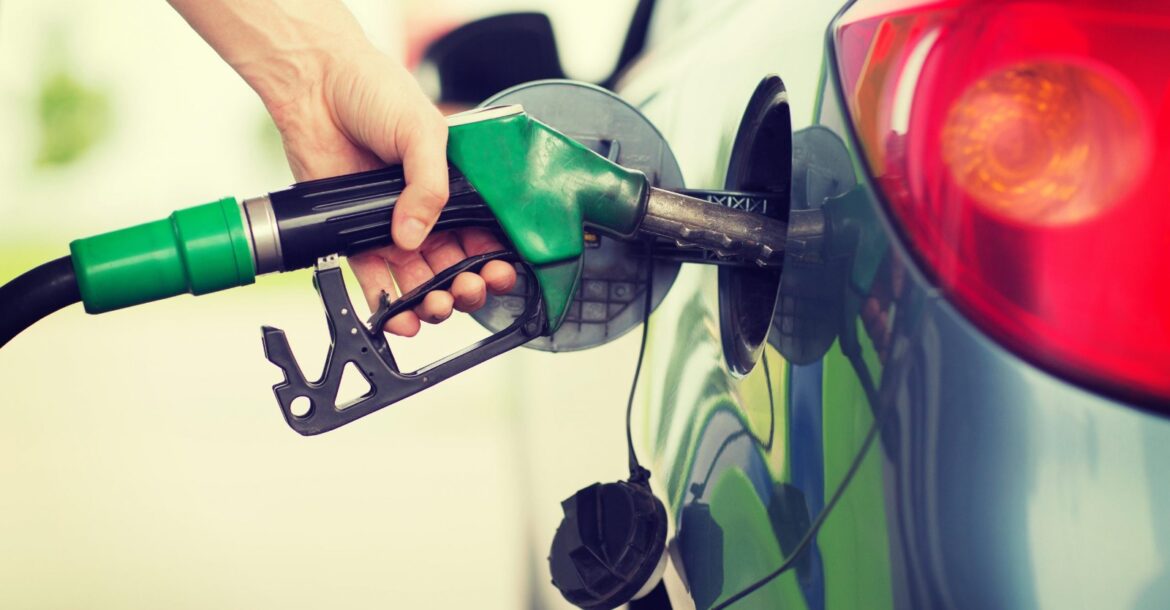

New Delhi: The Indian government on Friday announced a hike of 3 rupees per litre in fuel prices in an effort to offset mounting losses caused by global supply shortages.
Following the increase, petrol prices rose to 97.77 rupees per litre, while diesel climbed to 90.67 rupees per litre.
India, the world’s third-largest oil importer, relies heavily on overseas supplies, with nearly 90 percent of its oil imported. Around half of its crude shipments typically pass through the strategically crucial Strait of Hormuz, making the country particularly vulnerable to disruptions linked to the US-Israel conflict involving Iran.
Read More
- Indian-origin South African jurist Navi Pillay wins 2026 Nobel Peace Prize
- Three Saudis killed in attacks on Riyadh airport, aviation authority says
- Akasa Air extends Riyadh flight cancellation till Oct 10 amid evolving security situation
- Canadian poet Anne Carson, 76, wins Nobel Prize in Literature
- NASA’s Curiosity rover captures striking sunrise on Mars
The energy crisis has triggered a surge in international crude prices, but New Delhi had until now resisted passing the burden directly onto consumers, making it one of the last major economies to hold back retail fuel price hikes.
The fuel increase comes shortly after Prime Minister Narendra Modi appealed to citizens to adopt voluntary austerity measures to conserve energy. Modi urged people to work from home whenever possible, avoid unnecessary international travel, reduce gold purchases, and rely more on public transport and carpooling.
Describing fuel conservation as an act of “patriotism,” the Prime Minister also encouraged reduced fertiliser consumption as part of broader efforts to ease pressure on the economy.
Opposition leaders, however, criticised the timing of the announcement, pointing out that fuel prices remained unchanged during a crucial round of state elections that concluded earlier this month. Modi’s BJP secured victories in two of the four states that went to polls, further strengthening its political influence.
Meanwhile, New Delhi became the first state to introduce official austerity measures linked to the crisis. Authorities on Thursday announced fuel-saving initiatives, including mandatory work-from-home days for selected government employees, as India braces for the wider economic impact of the global energy shock.





