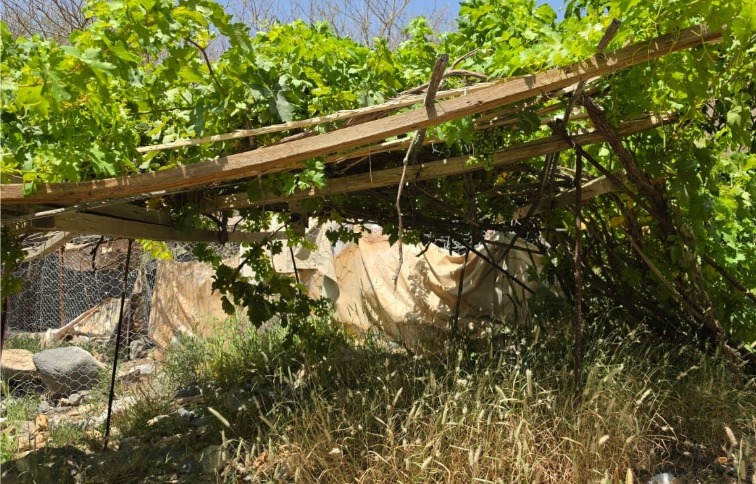

MUSCAT : With rising awareness about healthy living and sustainable food sources, more Omani families are turning unused home spaces into productive farms, cultivating fresh vegetables and fruits while reducing reliance on commercial markets.
Agricultural experts say the trend reflects a broader shift in public behaviour towards self-reliance in food production and a stronger connection to food quality and sustainability.
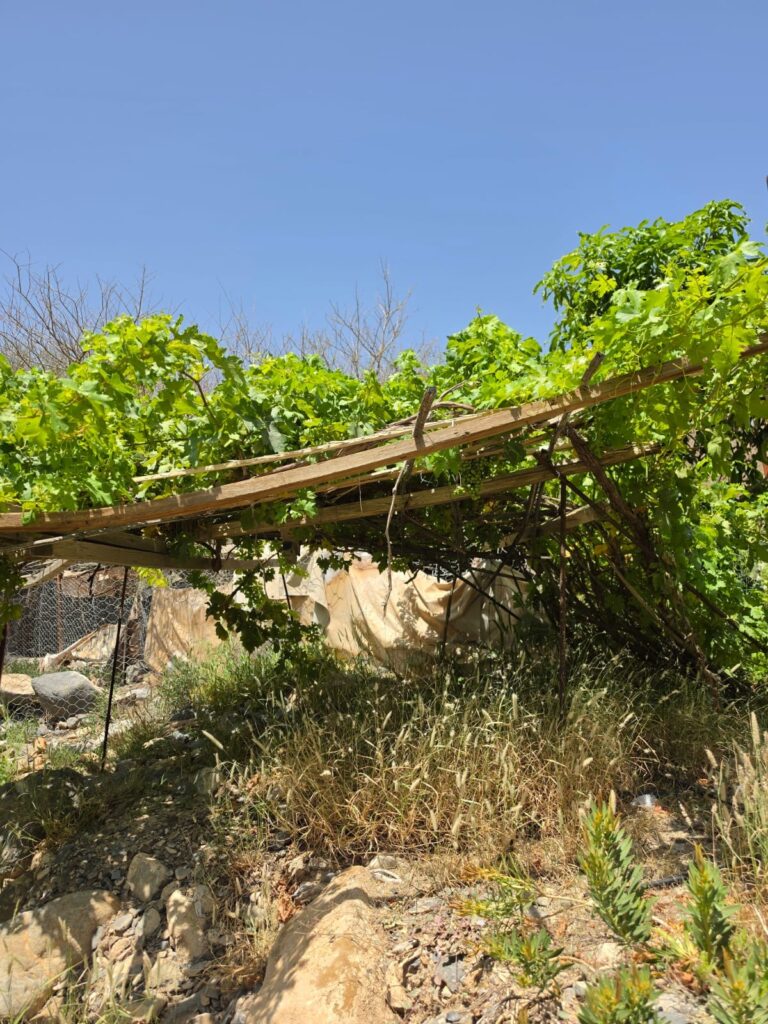
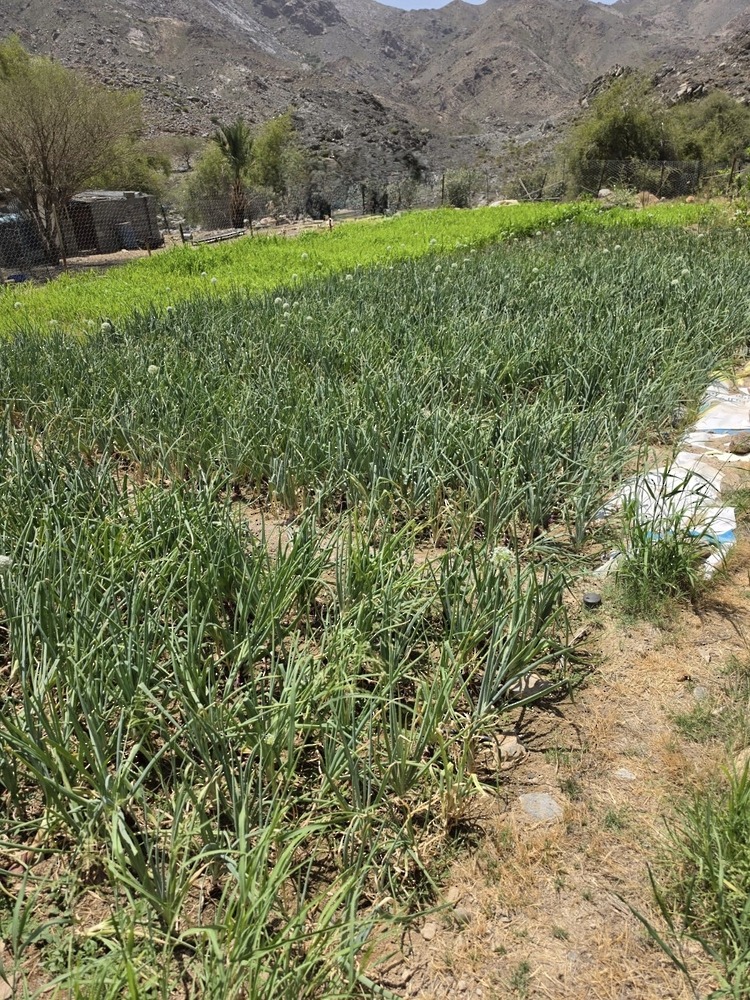
Engineer Ahmed bin Rashid Al-Abri, Director of the Department of Agricultural Development in Al-Dhahirah Governorate, noted that the remarkable growth in home farming highlights increasing societal awareness about food security.
Read More
- Indian crew injured in MT On Peace attack recovering in Oman, embassy says
- Oman, Italy discuss tourism cooperation to boost visitor numbers
- Oman’s Urban October event draws over 60,000 visitors, records more than 230 deals
- Oman condemns Saudi airport attacks, urges restraint
- Oman convenes global experts to advance AI innovation in mental healthcare
He explained that many Omani families have begun depending, at least partially, on homegrown produce to meet their daily food needs, marking an important step towards self-sufficiency at the household level.
Al-Abri noted that while individual home farms may be small in scale, their collective impact can significantly contribute to food security if adopted widely. He added that some families have even progressed beyond self-consumption by distributing and selling their produce in local markets.
According to Al-Abri, Oman’s environment supports the cultivation of a wide variety of crops, including leafy vegetables and fruits such as lemons, bananas, papayas and grapes. He said modern agricultural technologies like hydroponics and greenhouse farming have further expanded production capabilities and extended growing seasons.
He stressed that these practices have already helped several families reduce dependence on markets for certain products, although the sector still remains largely complementary and requires further development for long-term sustainability.
However, challenges remain. Water scarcity, rising water costs, extreme summer temperatures, limited residential space and lack of technical knowledge continue to hinder wider adoption.
Al-Abri said these obstacles can be addressed through practical solutions such as reusing household water, adopting modern farming systems and relying on trusted digital learning platforms. He also warned against common beginner mistakes, including planting unsuitable crops for certain seasons and improper irrigation practices.
He emphasized that turning home farming into a sustainable community culture would require greater public awareness, easier access to agricultural supplies, and stronger support from both public and private sectors through training programmes and awareness campaigns.
Meanwhile, Khaled Al-Shahoumi, owner of a home farm, shared how his journey began as a hobby before transforming into a sustainable lifestyle focused on providing healthy food for his family.
He said the farm now contributes directly to his household food supply, especially vegetables, while also changing his overall consumption habits and reducing reliance on store-bought products.
Al-Shahoumi added that patience, passion and knowledge are essential for success in home farming, noting that many beginners quit early due to slow results and initial challenges.
While acknowledging that home farms alone may not achieve complete self-sufficiency during major crises, he said they can still provide families with an important degree of food security when managed effectively with diverse crops.
He further stressed the need to transform home farming from isolated personal initiatives into a wider community culture through awareness, knowledge-sharing and technical support, helping establish gardening as part of everyday life in Oman.
For all the latest news from Oman and GCC, follow us on Twitter, Instagram and LinkedIn, like us on Facebook and subscribe to our YouTube page, which is updated daily.





