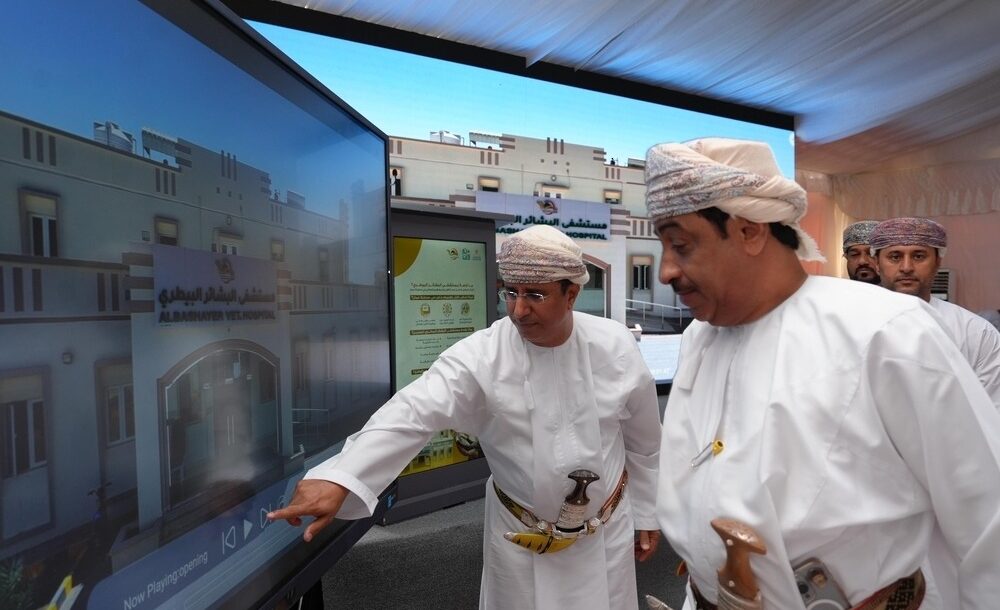

MUSCAT – The project cost approximately RO 2 million, with around RO 700,000 allocated to equip it with the latest specialised devices, equipment, and advanced capabilities.
His Excellency Dr. Ahmed Nasser Al Bakri, Undersecretary of the Ministry of Agriculture, Fisheries and Water Resources for Agriculture, stated that the hospital represents a qualitative addition to the veterinary health system in the Sultanate of Oman and a model for public-private partnership. He explained that it is equipped with all technical requirements to provide integrated veterinary services for the livestock sector, which numbers around four million heads. Camels constitute approximately 7.5 percent of this total, reflecting their social and economic importance.
Read More
- Oman Maritime Security Centre outlines requirements for foreign vessels in territorial waters
- Oman seeks public input on replacing plastic water bottles
- Oman’s elderly population reaches 188,390 as deaths fall 45%: NCSI
- Oman’s Labour Ministry urges job seekers to activate job-search status monthly
- INS Ranvijay docks in Salalah as India, Oman boost maritime ties
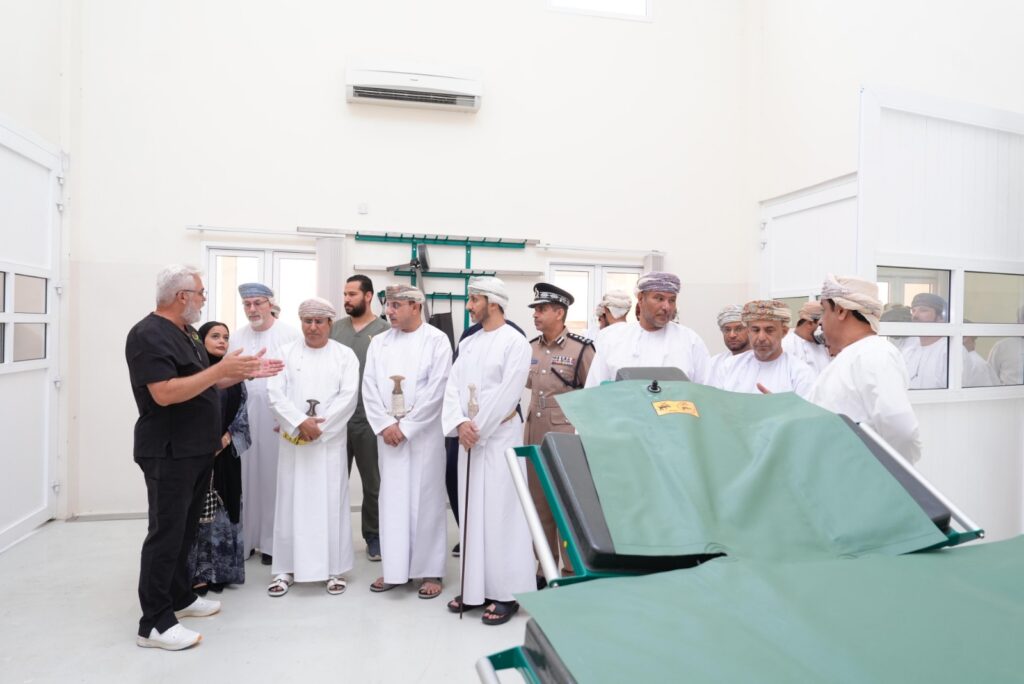
He added that the Sultanate of Oman has 69 government veterinary clinics and 41 mobile clinics. The hospital enhances the efficiency of the animal health system, particularly with the addition of a specialized reproductive laboratory, contributing to the support of this sector in the coming years.
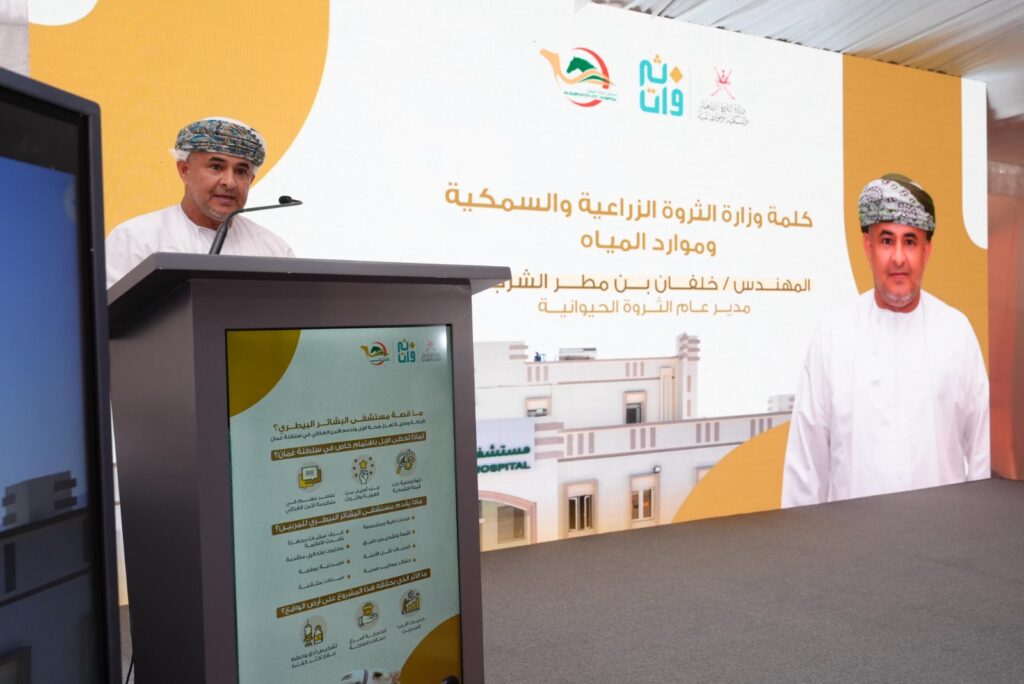
For his part, Eng. Khalfan Matar Al Sharji, Director General of Livestock, stated that the hospital’s opening represents a qualitative leap for veterinary services in the Sultanate of Oman. It serves as a specialised centre for camels in particular and livestock in general, embodying integration with the private sector and government support for investment in this field, he added.
Abdul Malik Hilal Al Bahri, CEO of Al-Khairat Veterinary Medical Services Company, which operates the hospital, stated that the hospital comprises specialised staff and modern equipment. Since its soft opening, it has achieved distinguished results, including conducting over 1,700 blood tests, treating more than 400 pregnancy-related cases in camels with a success rate approaching 70 percent, and performing over 15 embryo transfers and over 20 surgical procedures for ovarian cysts, he added.





