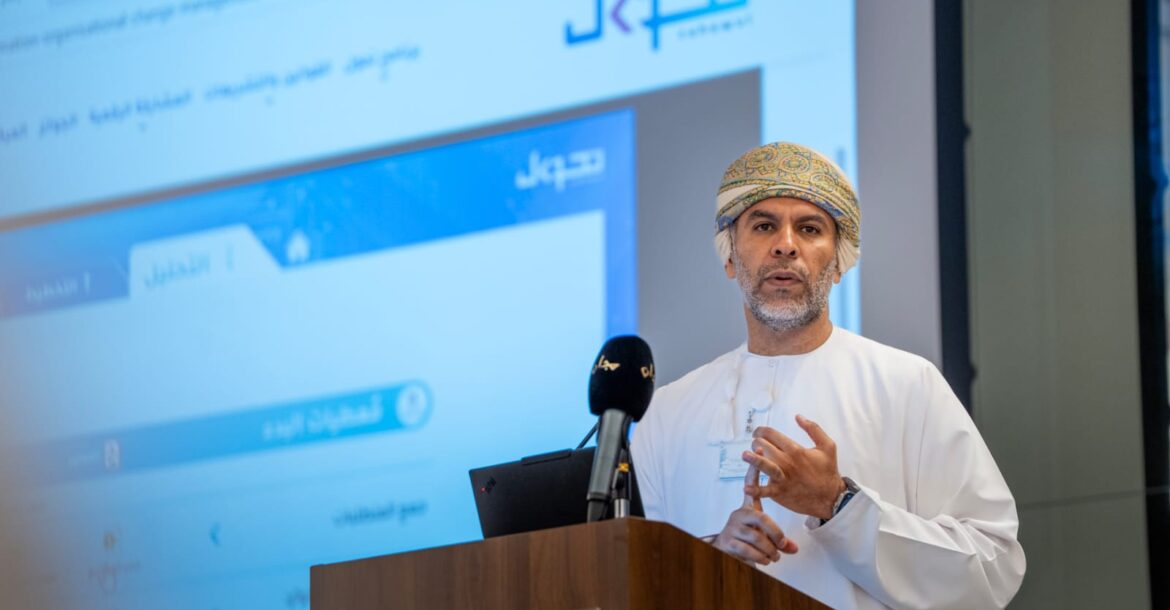

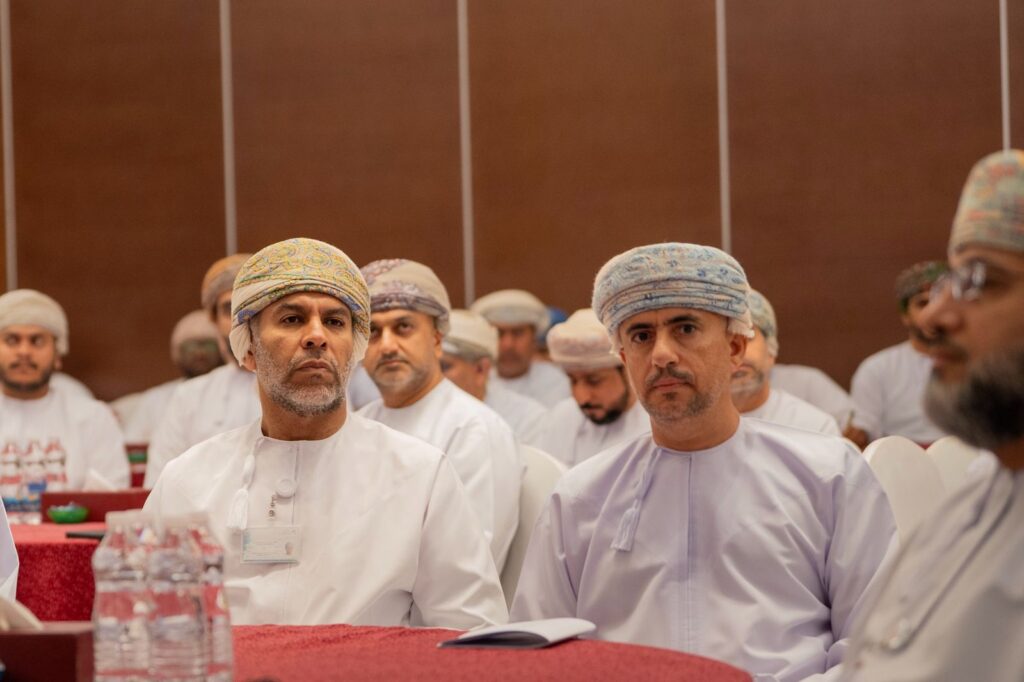
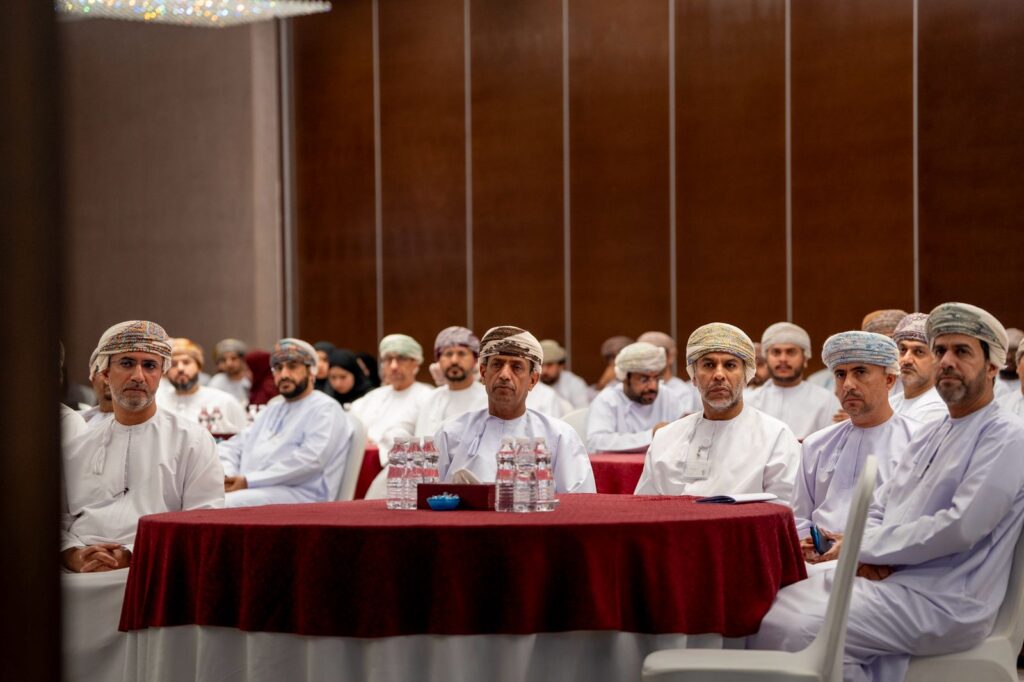
MUSCAT : The framework was unveiled by MoTCIT, represented by the Directorate General of Digital Transformation and Sector Empowerment, on the sidelines of the fourth periodic meeting of heads of digital transformation teams for 2025, held in Muscat. It is designed to serve as a national reference to help government entities keep pace with rapid digital change, enhance institutional integration, and promote a culture of cooperation and coordinated action.
The newly launched framework introduces a common language, unified concepts, and a consistent methodology for managing change in government digital transformation. By reducing fragmentation in approaches and implementation practices, it aims to strengthen governance, improve impact-based decision-making, and ensure that institutions are fully prepared to adapt to digital shifts within a single, integrated government system aligned with shared goals.
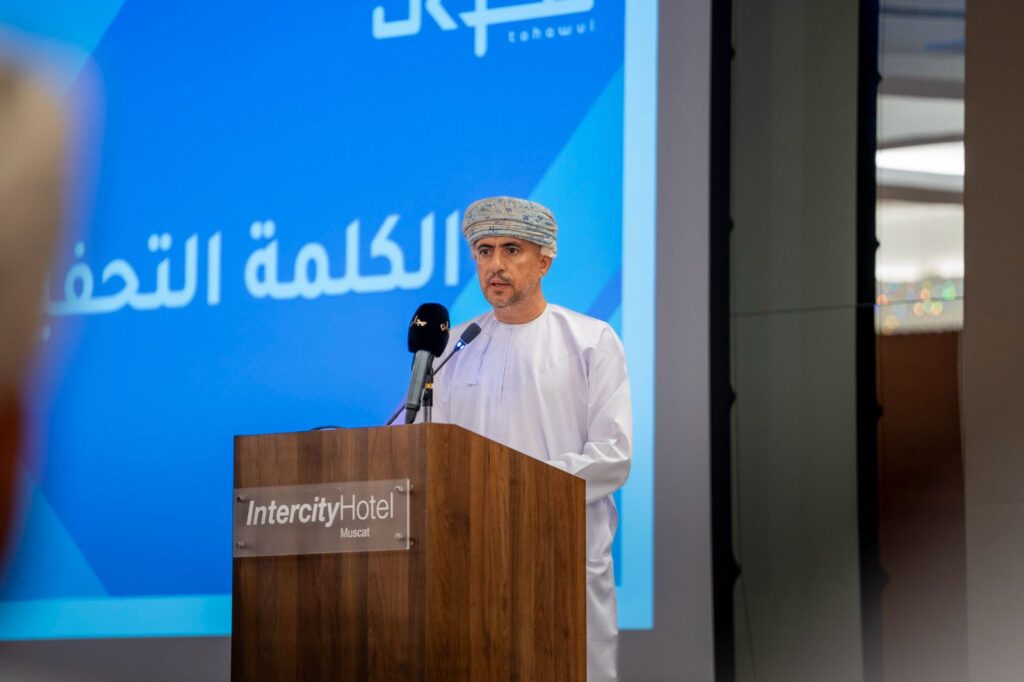
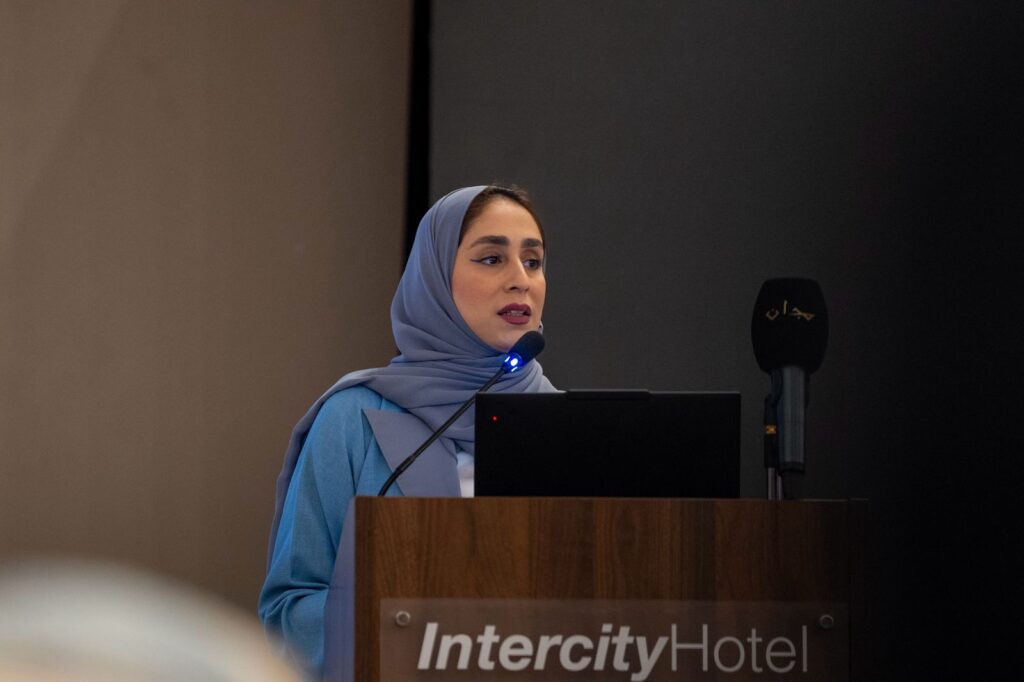
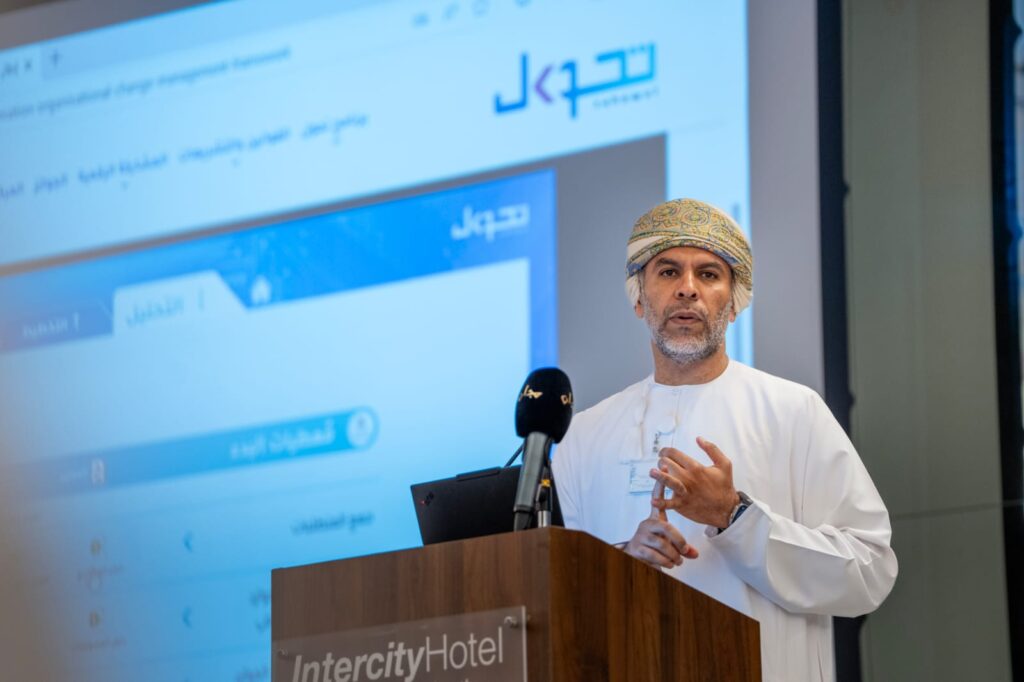
Engineer Abdul Aziz bin Abdul Rahman Al-Kharousi, Director General of the Digital Transformation and Sector Empowerment Directorate at MoTCIT, said the framework specifically targets digital transformation teams within government entities covered by the National Government Digital Transformation Programme, including leaders, decision-makers, digital change managers and project managers.
Read More
- Oman’s agriculture and fisheries output rises 3.3% to RO 623.5 million in first half
- Oman warns of hazardous floating containers after ship sinks off Musandam
- Indian Navy’s INS Sudarshini docks in Salalah on final overseas stop of transoceanic voyage
- ‘Serving Oman is an honour we cherish’: PDO’s Managing Director Dr Aflah Al Hadhrami reflects on Royal recognition
- Muscat Municipality trains SQU students in meat safety and veterinary inspection
He explained that the framework provides clear methodologies, practical models, tools and guidelines, supported by precise performance indicators to monitor progress and measure the real impact of digital initiatives. This, he noted, will help ensure unified implementation approaches, improve efficiency, and deliver sustainable results.
Al-Kharousi added that the framework is expected to unify governance and national directions related to change management, build sustainable national capabilities with higher maturity levels, and enhance trust in the government’s digital transformation journey by increasing adoption and actual use of digital services. It will also help protect digital investments, improve government spending efficiency, reduce duplication and waste, and accelerate progress toward the objectives of the National Government Digital Transformation Programme, in line with Oman Vision 2040 priorities for a flexible and adaptive government.
The meeting also reviewed several key digital initiatives, including the strategic directions for government digital transformation for 2026–2030, the progress of the Irtaqa programme for developing digital competencies, updates on the second version of Thiqa electronic certification services, and the achievements of the first phase and roadmap of the second phase of the Unified Government Services Portal. Other highlights included reviews of the Usool national register for government assets and the Maliya unified government financial system.
For all the latest news from Oman and GCC, follow us on Twitter, Instagram and LinkedIn, like us on Facebook and subscribe to our YouTube page, which is updated daily.





