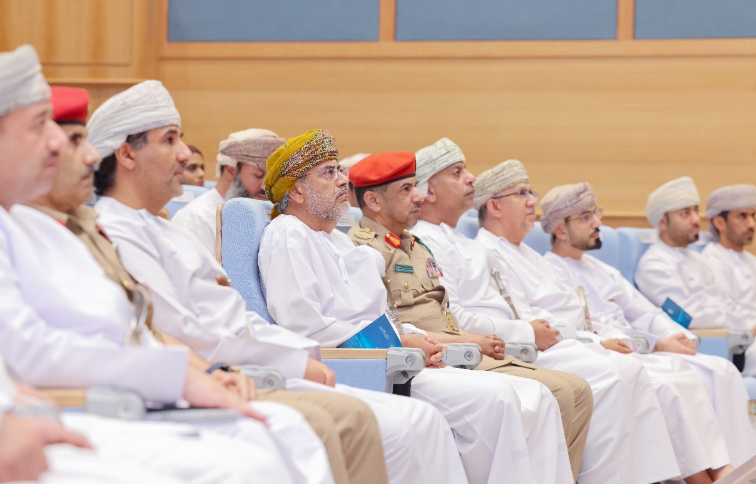

MUSCAT : The workshop aimed to establish a unified framework for coordinating institutional and sectoral efforts in Oman’s future foresight initiatives. By mapping existing projects and enhancing institutional collaboration, the workshop seeks to improve the country’s readiness for rapid future transformations and support evidence-based policymaking and long-term strategic planning.
The opening session was patronised by His Excellency Dr. Said bin Mohammed Al Saqri, Minister of Economy, who emphasised that future forecasting is a critical tool for enhancing the competitiveness of the national economy and its ability to respond to global changes.
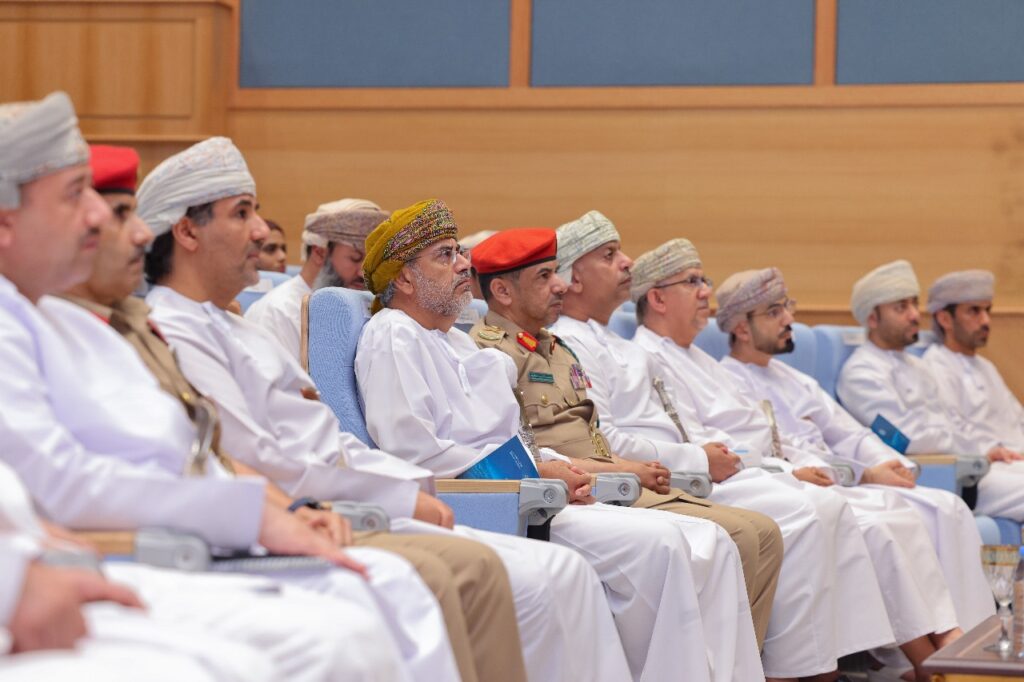
His Excellency added that the Ministry seeks to establish a unified national system that transforms economic, technological, and demographic changes into tangible growth and diversification opportunities. Through the National Foresight Office, the ministry is building a sustainable institutional model to support decision-making and enhance Oman’s preparedness for the future.
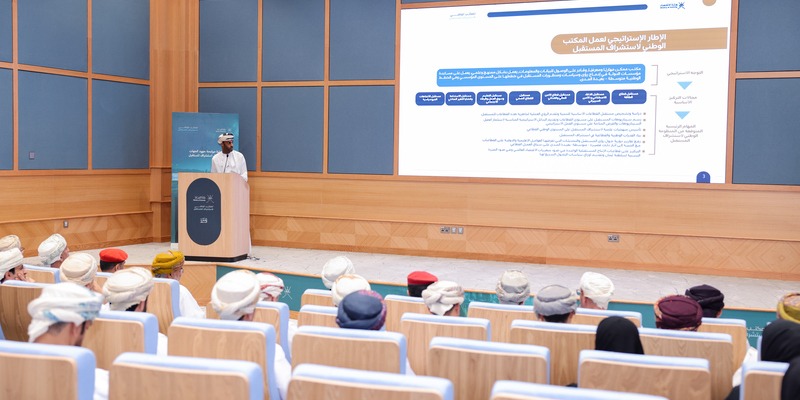
Mubarak bin Khamis Al Hamdani, Director of the National Foresight Office, highlighted the importance of creating a shared national knowledge base and improving institutional coordination. He noted that the workshop aims to develop a comprehensive national record of foresight initiatives and establish practical mechanisms for collaboration among government, private, and academic entities.
The discussions addressed various aspects of Oman’s foresight landscape, including reviewing current initiatives, analysing opportunities and challenges, defining roles among institutions, and proposing strategies to build national capacity in analysis and future forecasting.
Panel discussions focused on priority sectors for Oman’s future, particularly those affected by technological, demographic, and economic transformations. The workshop also reviewed national experiences in foresight, including the Ministry of Defence’s Academy of Strategic and Defence Studies, which presented an advanced model for using strategic analysis and long-term planning to support national security decision-making.
The Oman Vision 2040 Implementation Follow-up Unit shared its methodologies for linking national indicators with future trends, developing monitoring frameworks, assessing risks, and anticipating opportunities with social and economic impact.
The session produced several practical outputs, including a report cataloguing foresight initiatives with recommendations for decision-makers, the development of joint coordination mechanisms among relevant stakeholders, and proposals for national capacity-building programmes. These efforts are designed to strengthen Oman’s readiness to address future risks and opportunities while enabling government agencies to implement proactive and effective policies.
For all the latest news from Oman and GCC, follow us on Twitter, Instagram and LinkedIn, like us on Facebook and subscribe to our YouTube page, which is updated daily.
Read More
- Oman, 18 other countries condemn Colombia’s Jerusalem embassy opening
- Oman’s agriculture and fisheries output rises 3.3% to RO 623.5 million in first half
- Oman warns of hazardous floating containers after ship sinks off Musandam
- Indian Navy’s INS Sudarshini docks in Salalah on final overseas stop of transoceanic voyage
- ‘Serving Oman is an honour we cherish’: PDO’s Managing Director Dr Aflah Al Hadhrami reflects on Royal recognition





