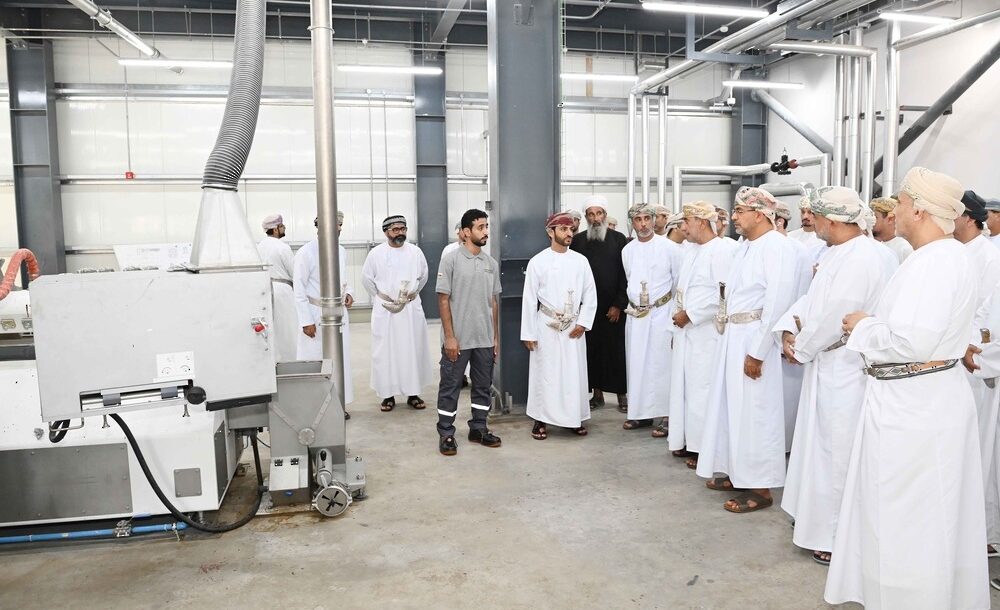

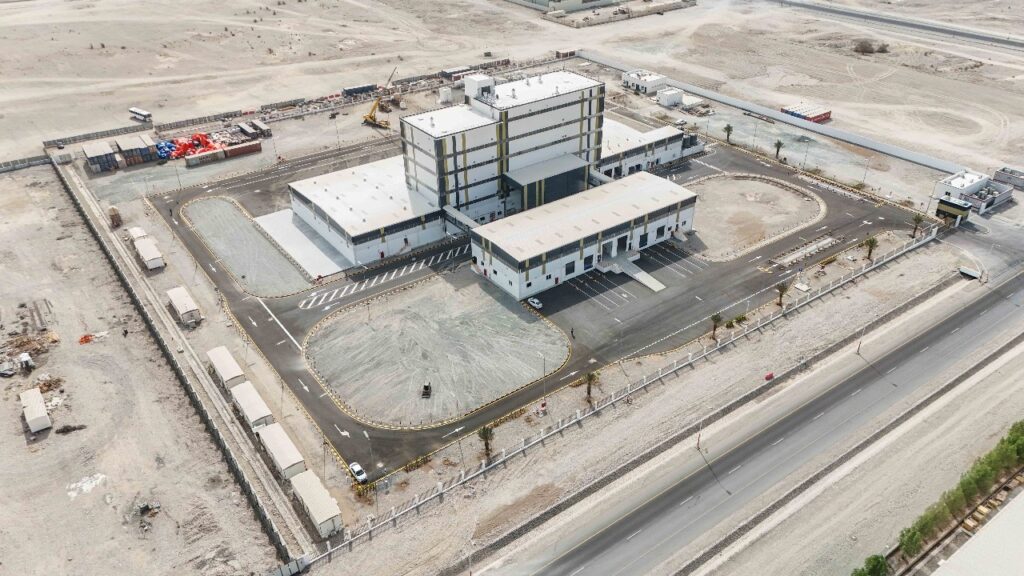
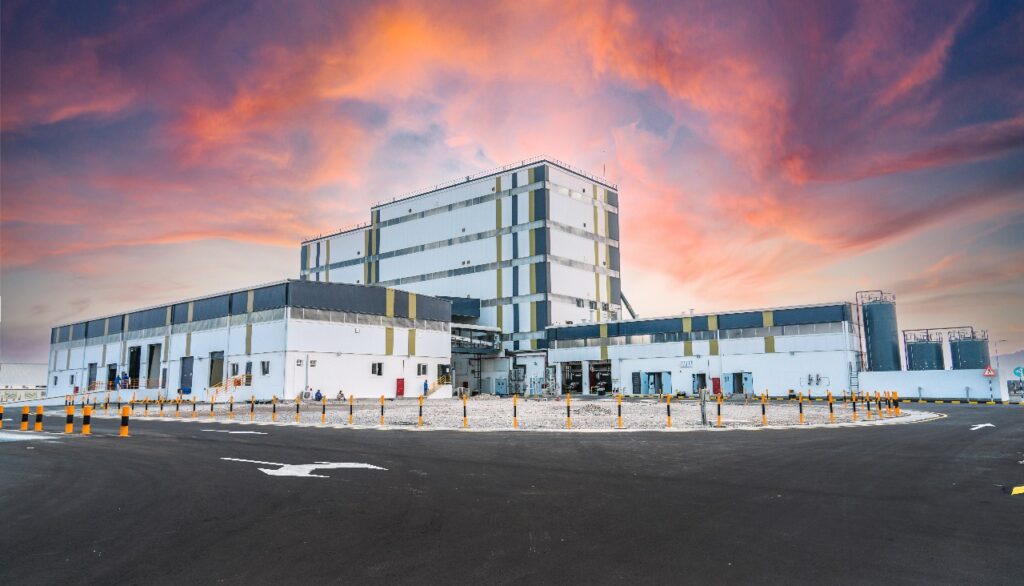
MUSCAT : The facility, owned by the Omani Bioproducts Company, a subsidiary of Oman Flour Mills, was constructed at a cost of approximately RO 36 million.
With an annual production capacity of 48,000 tons of animal feed and 15,000 tons of aquatic feed, this initial phase is set to meet a significant portion of local market demand. It will also provide aquaculture investors with a reliable and stable supply model.
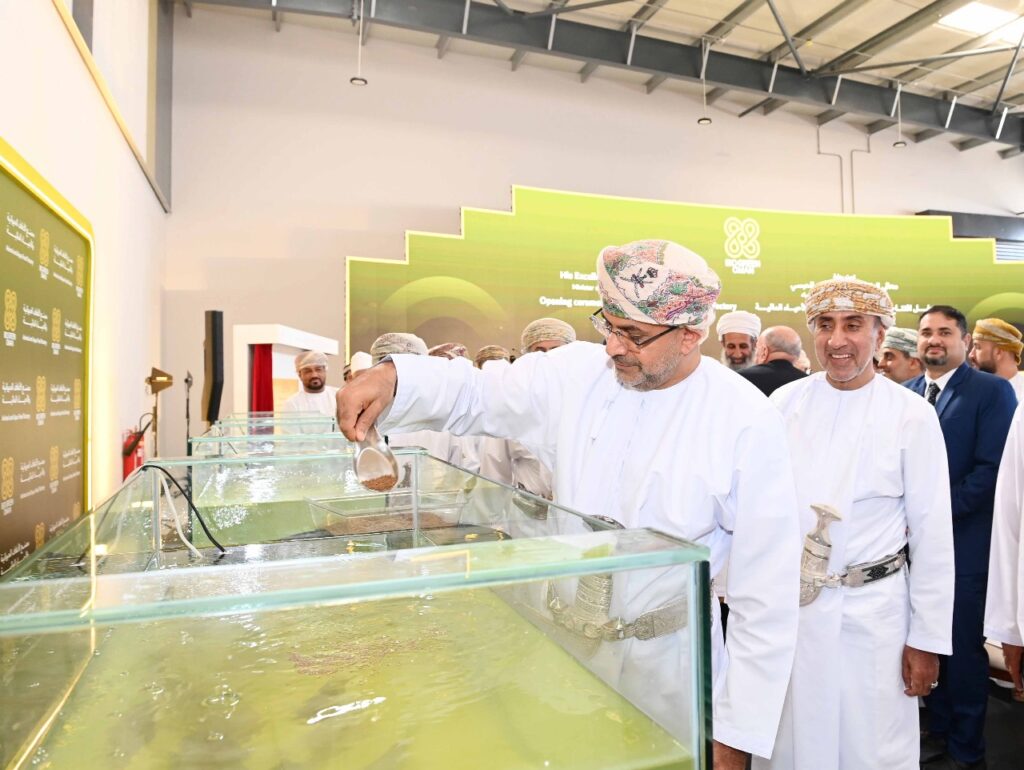
The inauguration ceremony was held under the patronage of His Excellency Dr. Saud bin Hamoud Al Habsi, Minister of Agriculture, Fisheries and Water Resources. The plant will supply high-quality local products, reducing dependence on imported feed, raising self-sufficiency levels, and helping to develop value chains within the livestock and fisheries sectors.
During the event, the Minister toured the manufacturing units, observing the production stages from raw materials to finished products. He was also briefed on the advanced technologies employed to recycle green agricultural waste. Upon completion of all three project phases between 2027 and 2030, production capacity is expected to increase significantly.
This expansion will position Oman to transition from a major importer of aquatic feed into a competitive for regional markets. The plant’s operations are centred on producing recycled green agricultural residues into high-nutrition feed. This approach aligns with Oman’s national strategy to promote a bio-economy, utilize local resources, lower production costs, and reduce reliance on imported inputs.
Additionally, the facility will help minimise agricultural waste, generate alternative products to replace imported forage, support livestock and sheep farming projects, and enhance the sustainability of the aquaculture industry.
Eng. Salim bin Sulaiman Al Thuhli, Chief Executive Officer of Khazaen Economic City, emphasized that the new plant strengthens Khazaen’s role as a dedicated food hub and directly supports Oman’s food security objectives. He reaffirmed Khazaen’s commitment to providing a fully integrated investment environment—complete with advanced infrastructure, a free zone, a dry port, and comprehensive logistical solutions—making it an attractive destination for industrial and food-related projects.
He added that the project reflects growing investor confidence in Khazaen and underscores its rapid development as one of Oman’s and the region’s fastest-growing economic cities. He also stressed the strategic importance of the project and pledged ongoing support for its future expansion phases.
From his side, Haitham bin Shakhboot Al Saadi, Chairman of the Board of Directors of Omani Bioproducts Company, stated that the plant marks a key milestone in Oman’s food security system and continues the development path of the Oman Flour Mills Group.
He explained that the facility is not just a production site but a strategic national project with unique attributes, reflecting Oman’s focus on enhancing food security and adopting circular economy principles. It is among the region’s first initiatives to recycle agricultural by-products, bio-residues, and date waste into specialized, value-added products.
He added the project advances the knowledge economy through innovative processes that transform green agricultural residues into high-nutrition animal feed, enriched with dates unsuitable for human consumption. This creates a fiber- and energy-rich, cost-effective alternative to imported forage, while delivering positive environmental impact by repurposing waste that would otherwise be burned or landfilled.
He said that the project introduces a new model to the local and regional market—incorporating the latest advances in animal nutrition science and feed production—and offers farmers improved options to enhance productivity and reduce costs. The use of modern and advanced manufacturing and processing technologies ensures resource sustainability, boosts production efficiency, and guarantees consistently high product quality.
Al Saadi also highlighted that the plant is operated by a highly skilled national team, with an Omanisation rate exceeding 95 percent, demonstrating confidence in Omani youth and the industrial sector’s role in creating quality jobs and building qualified national capabilities.
He described the project as a major step toward greater self-sufficiency in animal and fish feed, reducing import dependence, and supporting farmers, livestock breeders, and aquaculturists with high-quality, competitive local products—contributing to market stability and strengthening national food security.
He added that this first phase is only the beginning, with future expansions planned to meet market needs, introduce new products, and open pathways for further projects supporting the agriculture and livestock sectors—all of which will positively impact the national economy and enhance the competitiveness of Omani products.
Khazaen Economic City was selected as the project location due to its direct connectivity to ports, airports, and border crossings, which will improve the plant’s access to regional markets and lower transportation costs.
For all the latest news from Oman and GCC, follow us on Twitter, Instagram and LinkedIn, like us on Facebook and subscribe to our YouTube page, which is updated daily.
Read More
- Oman Cement Company profit surges 68.1% as Duqm expansion remains under study
- Dubai witnesses unprecedented crowds as actor Suriya graces the grand inauguration celebrations of 3 new Malabar Gold & Diamonds showrooms
- Major currencies trade in narrow ranges ahead of central bank decisions
- Oman crude oil price falls by USD 1.66
- Bank Muscat Shari’a Money Market Fund sees strong investor demand





