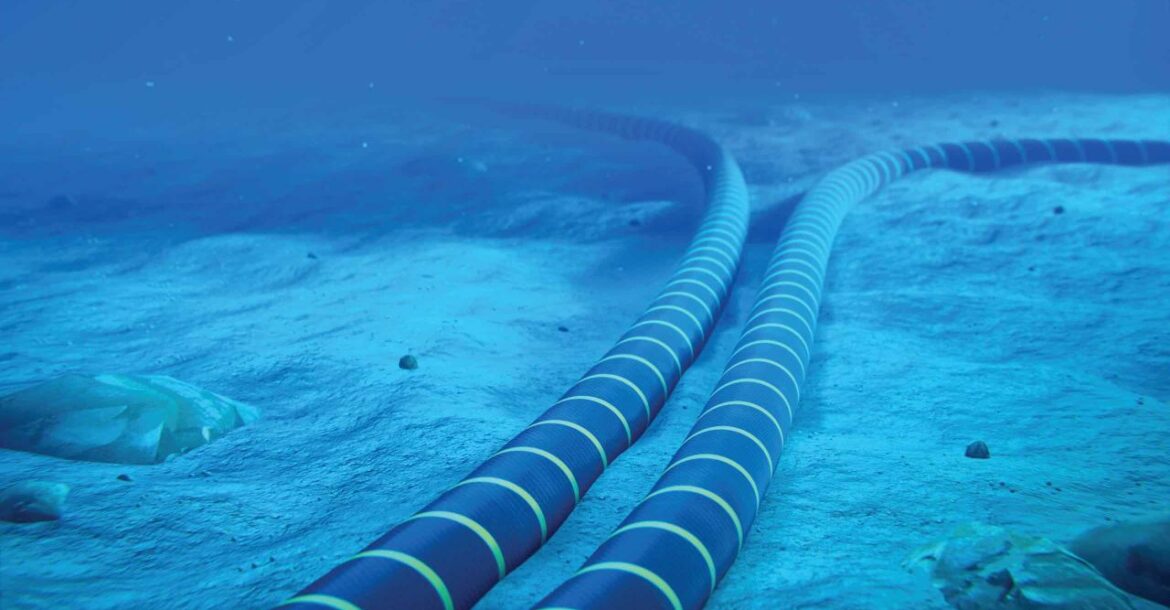

Muscat: Internet services across large parts of Asia and the Middle East faced disruptions on Sunday after undersea cables in the Red Sea were damaged, slowing connectivity in several countries.
Telecom operators confirmed that two critical systems—the South East Asia–Middle East–Western Europe 4 (SMW4) and the India–Middle East–Western Europe (IMEWE) cable networks—were severed, impacting data flow between regions. The damage is believed to have occurred in waters near Jeddah, Saudi Arabia.
Users in India, Pakistan, and Gulf countries reported sluggish internet speeds, with Microsoft cautioning that networks in the Middle East could face increased latency. The company stressed, however, that traffic routed through alternative global networks remained unaffected.
Read More
- Germany records nearly 10,000 heat-related deaths this year
- US military completes two-hour strikes on dozens of IRGC targets in Iran
- Russia charges Telegram founder Pavel Durov with ‘facilitating terrorism’, issues international arrest warrant
- Meta, BlackRock partner to build USD 14 billion Texas data center campus
- India at UNSC says “world’s focus on Strait of Hormuz” must not divert attention from Gaza
Speculation quickly turned to Yemen’s Houthi rebels, who have threatened Red Sea infrastructure in the past as part of their campaign linked to the Israel–Hamas conflict. While the Houthis’ media outlet al-Masirah confirmed the cable cuts, the group stopped short of claiming responsibility.
Telecom providers including Tata Communications, which operates the SMW4 system, and the Alcatel-Lucent consortium, which manages IMEWE, have not yet released official statements on the incident.
In the United Arab Emirates, customers of major providers Du and Etisalat flagged widespread slowdowns, though authorities have remained silent on the situation.
The Red Sea has become a flashpoint in recent years, with escalating regional tensions raising concerns over the vulnerability of critical international communication links.





