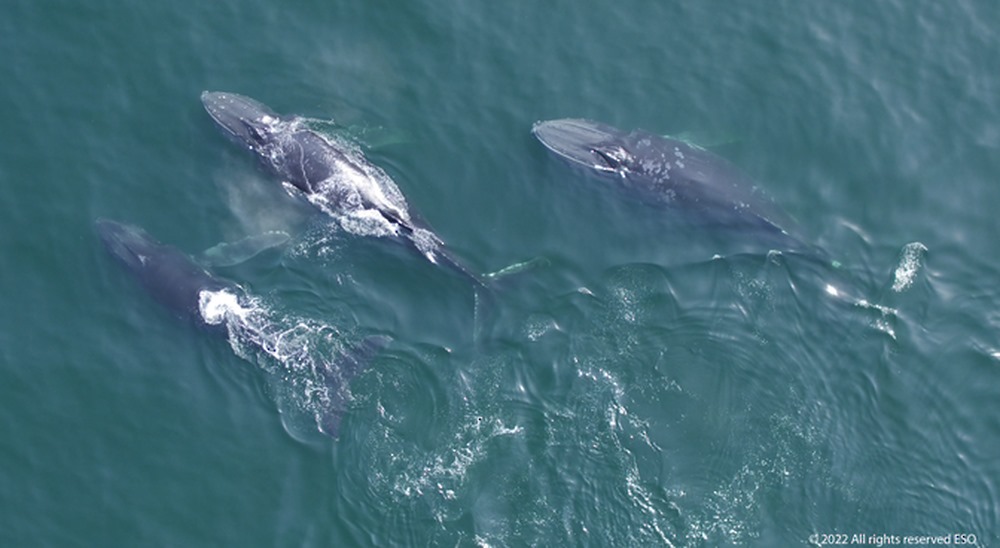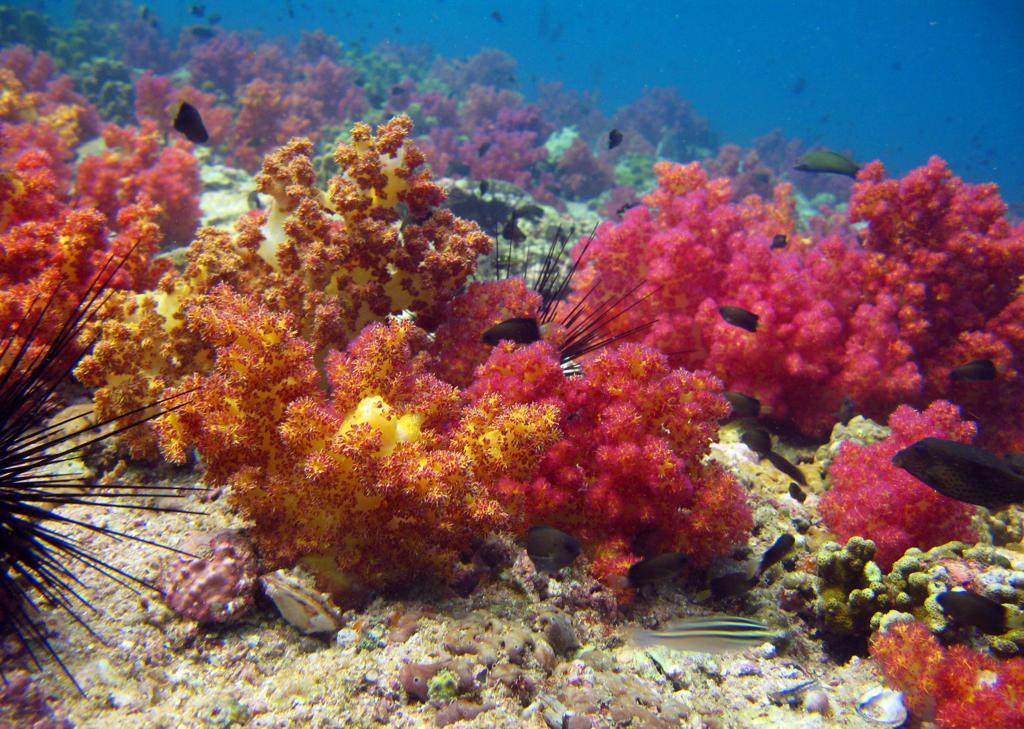

Muscat: With a coastline stretching over 3,165 kilometers, Oman is home to an abundant marine biodiversity that includes coral reefs, seabirds, a wide range of fish species, and endangered marine life such as sea turtles. The Sultanate’s commitment to safeguarding this natural wealth is reflected in its multi-pronged approach that blends scientific research, environmental policy, and public awareness.
At the heart of these efforts is the Environment Authority, which has been entrusted with spearheading national strategies focused on ocean and coastal protection. Through comprehensive studies, the Authority identifies and addresses key environmental challenges including pollution, overfishing, and climate change.
Among Oman’s flagship initiatives is the “Artificial Coral Reefs” project, which aims to restore damaged reefs, support sustainable fishing practices, and boost marine biodiversity. Complementing this are protected marine zones such as Ras Al Jinz, the Daymaniyat Islands, and Al Khor Marine Reserves — sanctuaries that provide safe habitats for endangered marine species.
Read More
- Oman health ministry clarifies recruitment notice after social media discussion
- Oman navy evacuates 25 crew after commercial vessel targeted off Musandam
- Three arrested in Oman over RO40,000 money-doubling scams
- More than 100 arrested in Muscat over labour, residency violations
- His Majesty Sultan Haitham to make state visits to China and Brunei from November 1
Oman’s dedication goes beyond government-led initiatives. Public participation is actively encouraged through educational workshops, awareness campaigns, and community-driven programs designed to foster a conservation culture among citizens and residents alike — particularly the younger generation.
On the global stage, Oman remains an active player, participating in key international environmental accords such as the Convention on Biological Diversity.