
With critical praise and being hailed as one of the finest pieces of content to come out of Netflix and perhaps art in general, Adolescence is a four-part limited series that has taken over the world.
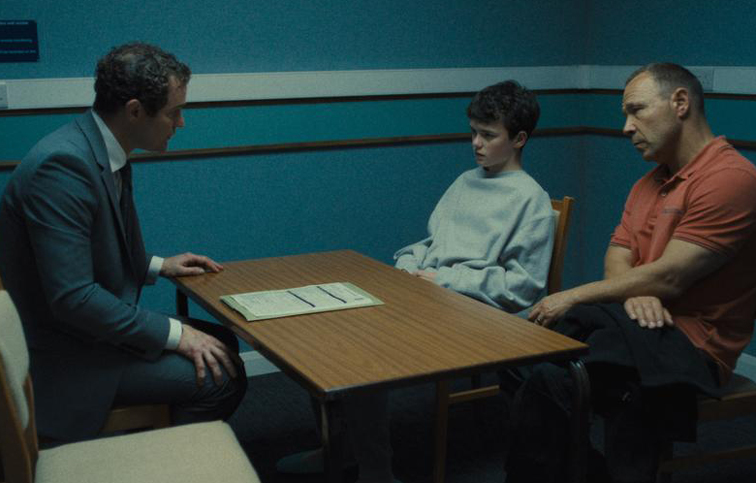
The show is centred primarily around a 13-year-old boy, Jamie Miller (played by Owen Cooper), who has been accused of murder and how that creates a ripple effect towards those who are associated with him.
Three minutes into the show, we have a squad of police barging into the house of the little boy, arresting him on suspicion of murder. What seems like a safe, family-oriented town is rattled when the arrest wakes everyone up with the brunt of the impact affecting viewers like you and me.
Read More
- Superstar Rajinikanth’s ‘Jailer 2’ sets Oman cinemas on fire with over 20 shows a day
- Veteran Indian actor Nana Patekar dies at 75
- Ayushmann Khurrana and Sara Ali Khan bring the energy to Chandigarh ahead of Udta Teer
- One Feeling at a Time: Talwiinder begins his ‘Paiinted Feeliings’ journey with ‘Assay Passay’
- Avengers: Endgame Encore opens in Oman as Kuwait cancels cinema release
Created by Stephen Graham, who is playing the 13-year-old’s father in the show and co-created by Jack Thorne, this limited series is a brilliant one-take wonder that grips you from the very first shot until the end credits roll in during the final episode. And mind you, this is Owen Cooper’s first professional acting gig, and he absolutely lives the performance.
Believe us when we tell you these few moments are not even the most riveting revelations this show has to offer. It takes you on a unique pace where we follow young Jamie hand-in-hand as he deals with the shock of being held at gunpoint by the police and faces the chilling interrogation sequences throughout the series; every moment points to deeper messages hidden beneath the layers of the show.
What the writers and the creators executed rather harrowingly with perfection is the impact the internet, masculinity, and social restrictions can have on children as they navigate this world.
The terms above have evolved over the years, and you and I have dealt with it differently than what the children of this day and age go through. We are sucked into this realisation when the primary investigator, DI Luke Bascombe is explained what “Incel” means in the show and how colours and various emojis hold a far deeper meaning when used in various contexts. The usual red heart sign you send to your loved ones holds a different meaning if the colour changes to yellow or orange.
As the investigations dig deeper into Jamie and now having represented concrete evidence of this 13-year-old stabbing another girl his age from his class in cold blood, we realise that one of the key reasons that led to it was the inadequacy Jamie felt when he was called an “Incel”, a term heavily used in social media with links to celebrities like Andrew Tate.
If you are reading this and are a parent, when was the last time you had a discussion about masculinity and femininity and the meaning behind expressing emotions with your children? Key data and observations point out that the children of this day and age heavily rely on social media to understand sensitive topics. When they fail to grasp their meaning based on scenarios and social circumstances, they abuse it.
Social cultures are widely discussed online amongst many influencers. Still, when young children who are not mature enough to understand boundaries dabble in these topics, they end up abusing their true meaning. Being an “Alpha”, “Giga Chad”, “Sigma” etc, are some key terms that have been used extensively amongst GenZ but often negatively.
Going beyond realising how this event has affected Jamie, the show also introduces us to the impact this has had on the community. The episode was meticulously dedicated to revealing the investigation bearing roots in the school Jamie goes to, to try and uncover the motive and murder weapon.
Through the eyes of the officers, we see the cracks in the education system around managing the effects of technology and social media among children of all age groups. The lead investigator’s son, who is in the same school, reveals that the grown-ups do not understand the depth of the matter and that the bullying Jamie faced from the girl he murdered over being called shy and timid was not to be overlooked. According to social media lingo and reasons constructed by the children, it reflected that he could not attract women, which was one of the primary trigger points for Jamie to commit the murder. This is played out beautifully in the show’s final scenes, where Jamie and Child Psychologist Briony Ariston (played by Erin Doherty) have an eye-opening back-and-forth, where we see the various sides of the 13-year-old and his perceptions about masculinity, social acceptance, and emotions.
By far the most important scenes were that of Jamie’s family and how they had to pick up the pieces after coming to terms with the fact that something so impossible could ever take place. Jamie’s parents, Eddie Miller (played by Stephen Graham) and Manda Miller (played by Christine Tremarco), go through an intense session dissecting the events that led to their child being accused of murder.
As we take a drive with them in the final episode, we are also part of the conversation where Jamie confesses to his parents over a call from the detention centre that he is changing his plea and pleading guilty. The silence that engulfs the scene vibrates louder than you could ever imagine. As Jamie’s parents cry their hearts out, taking the blame for not having had a stronger impact on their son’s life, somewhere you are posed with a question of how well we know our children and the level of information they are consuming daily, without truly knowing the impact it can have on their personal lives.
As Jamie’s father kisses a tiny knitted teddy bear and tugs it into the blanket in Jamie’s room that he hugs every night, we see a father who never really wanted to come with the terms that his son could ever grow up from the phase of adolescence and however impossible it may seem, was somewhere responsible for what led to his son committing a murder.
The show offers bone-chilling moments that evoke a sense of urgency in the viewers, using terms we casually scroll over these days without thinking how it could impact our children. Take a closer look at the social media apps you use or apps you use for entertainment and the content you consume and ask yourself how it can impact you and those around you. Chances are, you will definitely find a reason.





