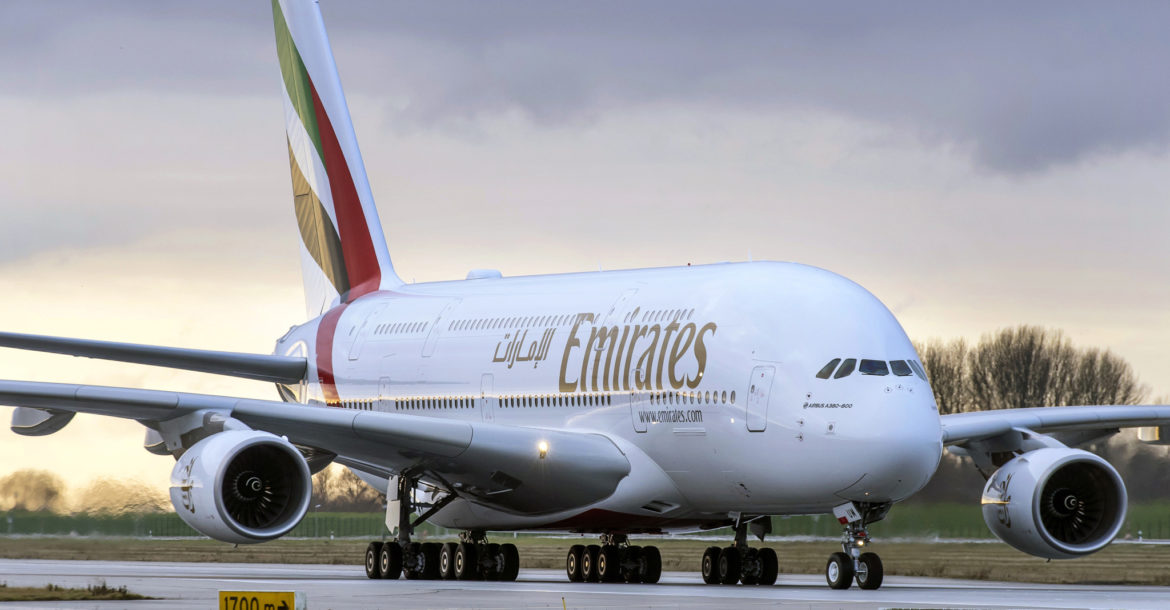

DUBAI: Emirates announced on its website that passengers traveling through Dubai with a final destination in Baghdad or Beirut will not be accepted for travel at their point of origin. These cancellations follow heightened tensions in the region due to the ongoing Israel–Gaza conflict.
Flydubai flights to Baghdad remain operational, with passengers holding confirmed bookings on flydubai being allowed to travel. Emirates has urged customers to monitor flydubai’s flight status for updates.
Similarly, Lufthansa Group has also suspended flights to Beirut and Tehran until February 28, 2025, affecting airlines under its umbrella, including Lufthansa, SWISS, and Austrian Airlines.
Read More
- Emirates first-half profit falls 66% as regional conflict drives up fuel costs
- GCC opens anti-dumping probe into paper imports from China, India and Thailand
- Pakistan eyes LPG imports from Oman and Saudi Arabia ahead of winter
- Tesla to officially enter Oman market in 2027, starts recruitment
- Democrats win U.S. Senate control in midterm setback for Trump
In contrast, other carriers are gradually resuming services. Air Arabia Abu Dhabi plans to restart flights to Beirut on January 9, operating four weekly direct flights. Qatar Airways resumed its services to Lebanon, Iran, and Iraq on December 9, with 14 weekly flights to Doha.
Despite the challenges, Gulf airlines have remained profitable. According to the International Air Transport Association (IATA), Middle East carriers are projected to close 2024 with $5.3 billion in net profit, up significantly from the $3.8 billion forecast in June. The region was the only one to see an increase in passenger yields this year, driven by strong demand for premium long-haul travel.