

Muscat: The initiative runs until December 12, aiming to modernize the reserve’s management framework to align with Oman’s national development strategies.
Under the patronage of His Excellency Dr. Yahya bin Badr Al Maawali, Governor of South Al Sharqiyah, the initiative seeks to update the 2014 management plan, draft a structural blueprint for the reserve, and establish a bank of sustainable development projects. Its success is expected to lay the groundwork for improving the management of other natural reserves across the Sultanate.
Read More
- Oman and UNICEF review cooperation in humanitarian and development initiatives
- Dhofar Municipality tightens licensing rules for 2026 Khareef season activities
- Oman condemns attacks on Bahrain and Kuwait
- Oman’s OMIFCO sees no impact from regional tensions, exports continue uninterrupted, says CEO
- Oman records season’s highest temperature as Mahout hits 50°C
Salah bin Salem Al Hajri, Director of the Initiative at the Environment Authority, presented a detailed overview of the program. Highlighting key goals and challenges, he emphasized the importance of sectoral integration to create plans consistent with environmental and national priorities. Al Hajri outlined the methodology, which includes workshops, gap analysis, stakeholder discussions, and final approval stages for the updated management and structural plans.
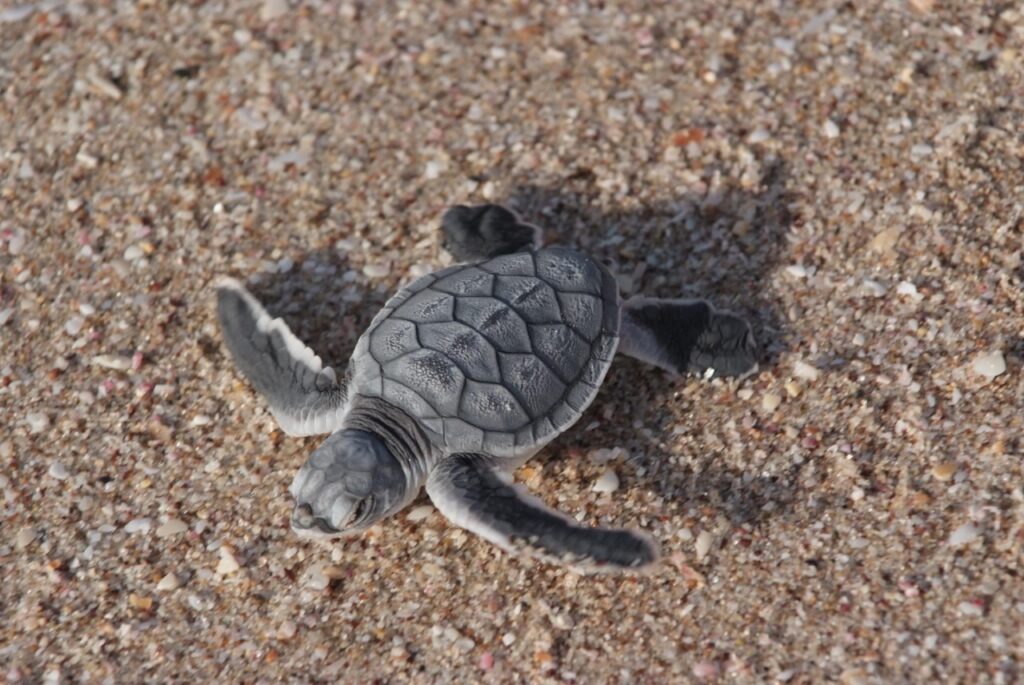
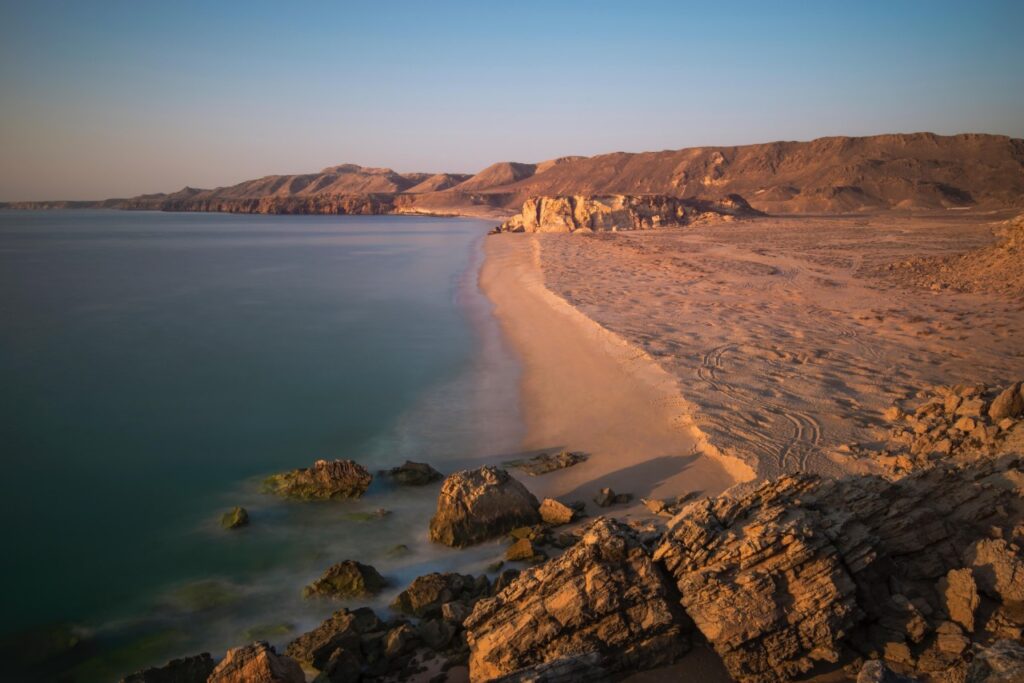
“Green turtles are the most nesting species in the reserve, with between 6,000 and 13,000 turtles nesting on its beaches annually, making it one of the most important nesting sites for this species in the Indian Ocean,” Al Hajri noted. Declared a natural reserve in 1996 and spanning 120 square kilometers, it stretches from Khor Jarama in the north to Ras Ruwais in the south.





