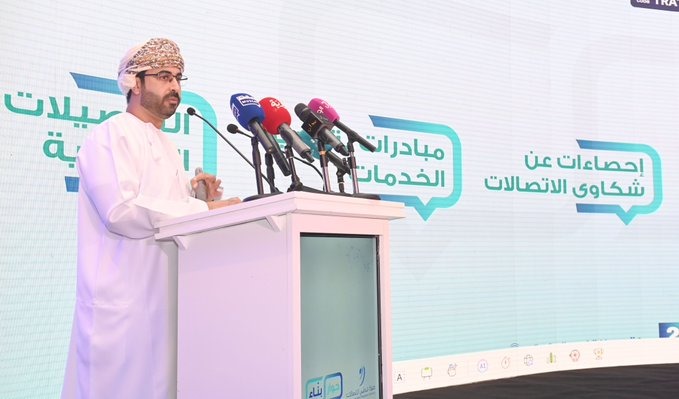

Muscat – In the first half of 2024, the TRA received nearly 400 complaints related to broadband services, distributed among the three major operators: Omantel (226 complaints), Awasr (98 complaints), and Ooredoo (76 complaints). Analysis revealed that 70 percent of these complaints were linked to internal connections within buildings, while 30 percent pertained to issues with telecommunications companies.
This was indicated by the TRA at an ongoing dialogue session to improve the telecommunications sector in Oman, foster communication and exchange views among stakeholders.
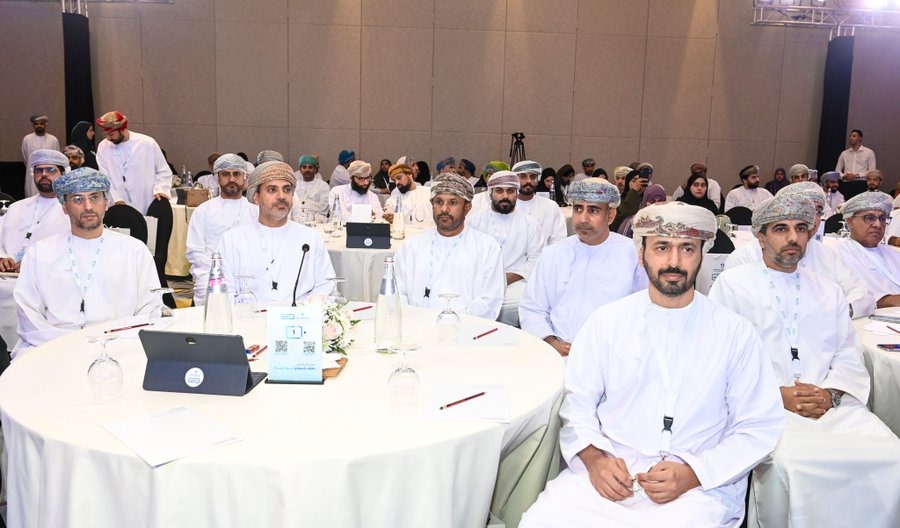
The meeting emphasized enhancing service quality and ensuring beneficiary protection, focusing on issues related to service quality, billing, and promotional offers.
Over the past four years, the TRA has received approximately two million complaints from consumers, primarily concerning service quality, billing issues, and promotional offers. Specifically, around 400 complaints were related to broadband network services. Approximately 8,000 of these complaints were escalated to the TRA for further action.
During the first session, which focused on the efforts to improve telecommunications services, Engineer Nasser Al Jabri, Director of the Service Quality and Comprehensive Service Department, outlined several initiatives aimed at upgrading telecommunications services. Notably, the transition from third-generation services to more advanced fourth- and fifth-generation networks is underway, targeting a total of 5,582 stations, with 1,921 already completed.
Al Jabri highlighted the deployment of fifth-generation networks across 4,412 stations, with verification of 3,046 stations. Additionally, there has been a significant migration of internet subscribers from low-speed networks to high-speed ADSL and fibre optic connections. This includes upgrading 174 Omantel stations and 164 Ooredoo stations from satellite technology to high-speed fibre optic links.
Al Jabri identified several challenges affecting the quality of home internet services, including the use of low-quality copper cables, lack of designated paths for communication cables, improper distribution of wireless network boosters, and the use of substandard wireless networking devices.
To address these issues, he proposed guidelines and solutions to improve home internet connectivity, such as utilizing approved materials and equipment, establishing designated paths for communication cables, creating channels for connecting fibre optic cables from property boundaries to buildings, engaging companies authorized by the TRA for installation services and providing a dedicated communications room or main distribution box in each building.
Read More
- Oman, 18 other countries condemn Colombia’s Jerusalem embassy opening
- Oman’s agriculture and fisheries output rises 3.3% to RO 623.5 million in first half
- Oman warns of hazardous floating containers after ship sinks off Musandam
- Indian Navy’s INS Sudarshini docks in Salalah on final overseas stop of transoceanic voyage
- ‘Serving Oman is an honour we cherish’: PDO’s Managing Director Dr Aflah Al Hadhrami reflects on Royal recognition





