
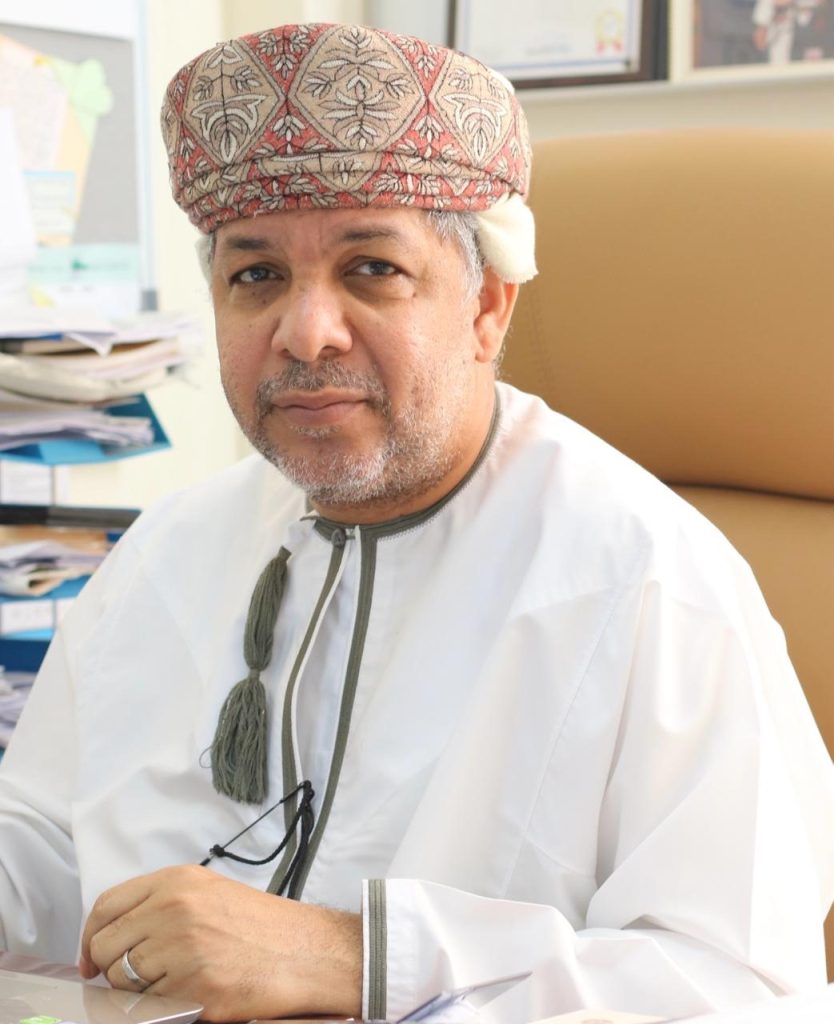
Muscat – Dr. Abdullah bin Saif Al-Ghafri, Professor of the UNESCO Chair on Aflaj Studies-Archaeohydrology, highlighted the Chair’s pioneering approach, which includes collecting field data and utilizing smart technologies to create theories. He also indicated that challenges vary across projects, encompassing logistical, financial, and administrative aspects.
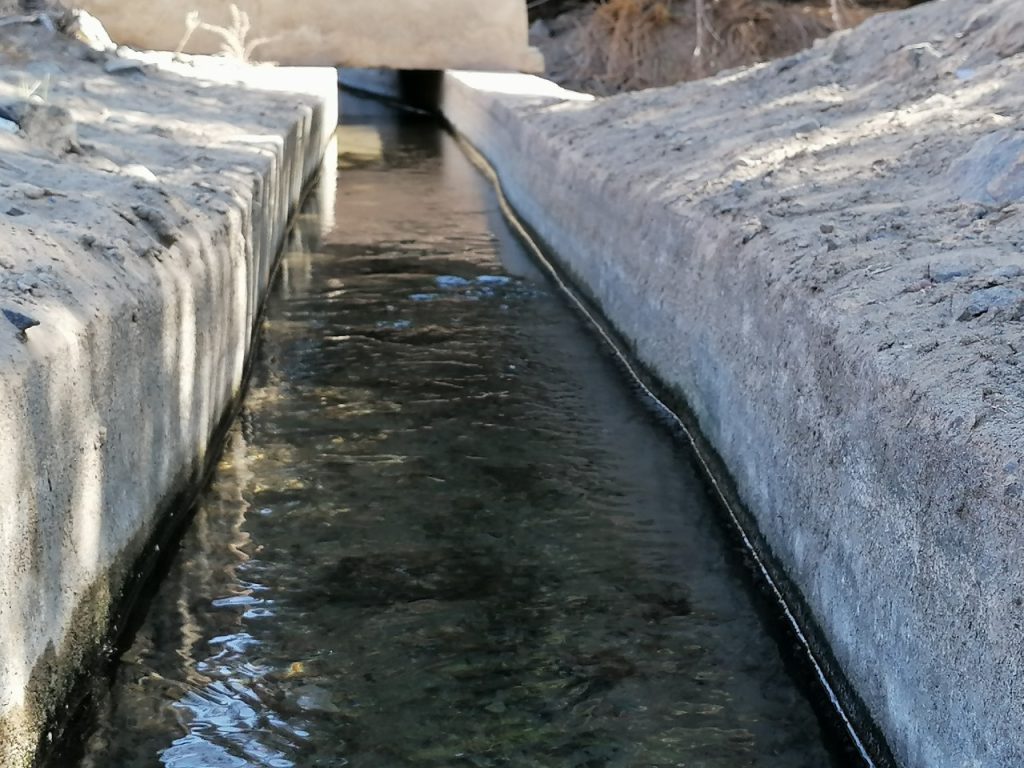
Recently, the Steering Council of the UNESCO Chair reaffirmed its commitment to supporting research efforts and directed the implementation of several projects. These initiatives include reviving a defunct falaj in collaboration with local authorities and communities.
Among the projects implemented by the Chair are technical experiments like the ‘LMD’ digital system and studies funded by various institutions, addressing topics such as urban expansion’s impact on aflaj systems and water availability’s influence on aflaj communities.
Additional projects include groundwater catchment studies using machine learning algorithms, archaeological hydrological assessments, and evaluations of aflaj systems’ hydrological conditions using geospatial data and remote sensing techniques.
These initiatives demonstrate the UNESCO Chair’s dedication to advancing knowledge and preserving Oman’s cultural heritage, fostering sustainable solutions to safeguard aflaj systems for future generations.
Read More
- Oman, Iran agree framework for safe shipping corridor through Strait of Hormuz
- Thunderstorms, strong downdraft winds sweep parts of Oman
- Saudi Crown Prince sends written message to His Majesty Sultan Haitham
- Oman FM arrives in Tehran, discusses safe passage of ships through Strait of Hormuz
- CPA seizes 1,668 soft drinks, 177 expired juice cans in Oman





