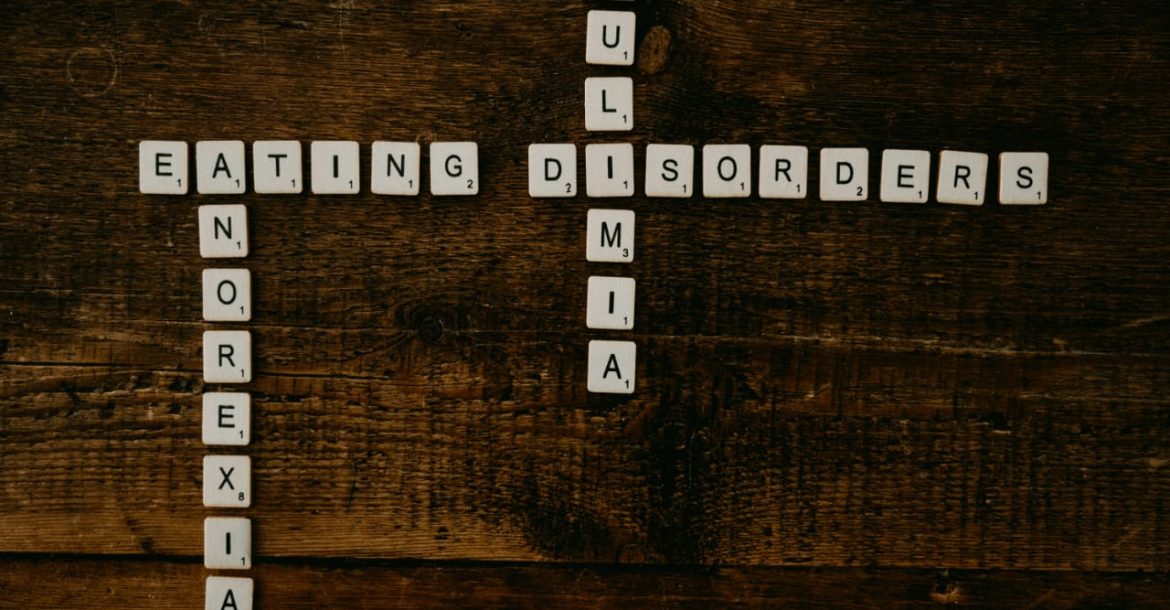

Eating disorders are serious illnesses characterized by disturbed eating behaviors and negative thoughts about body image and weight. They can affect people of all ages, genders, and backgrounds. The most common types of eating disorders are:
- Anorexia Nervosa: Individuals with anorexia nervosa often perceive themselves as overweight, even when they are severely underweight. They may restrict their food intake, engage in excessive exercise, and have an intense fear of gaining weight.
- Bulimia Nervosa: People with bulimia nervosa typically have episodes of binge eating followed by purging behaviors such as self-induced vomiting, misuse of laxatives or diuretics, or excessive exercise. They may also experience feelings of guilt and shame about their eating habits.
- Binge Eating Disorder: Binge eating disorder involves recurrent episodes of consuming large amounts of food in a short period, accompanied by a sense of loss of control.
Eating disorders are often misunderstood or dismissed as a lifestyle choice rather than recognized as serious mental health conditions. This misconception can prevent individuals from seeking help and receiving the support they need.
In addition to raising awareness, this week also presents an opportunity to explore mindful eating practices. Mindful eating involves paying full attention to the sensory experience of eating, including the taste, texture, and aroma of food, as well as bodily sensations like hunger and fullness.
Read More
- Oman lays foundation stone for genome centre costing more than RO 4.2 million
- Nearly 60% of high blood pressure cases go undiagnosed, Oxford study finds
- ADHD: An emerging discussion on a shared disorder
- Matcha Mania: Is the green drink really as healthy as it seems?
- Oman marks World Health Day, highlights commitment to health innovation and digital transformation
How to Practice Mindful Eating
1. Engage Your Senses: Before taking a bite, take a moment to observe the appearance, smell, and texture of your food. Notice any sensations that arise as you anticipate eating.
2. Eat Without Distractions: Minimize distractions such as electronic devices or television while eating. Focus solely on the act of eating and the experience of nourishing your body.
3. Chew Slowly and Thoroughly: Take small bites and chew your food slowly, allowing yourself to fully experience the flavors and textures. Pay attention to the sensation of chewing and swallowing.
4. Listen to Your Body: Tune into your body’s hunger and fullness cues. Eat when you are hungry and stop when you are comfortably satisfied, regardless of external factors such as portion sizes or social pressure.
5. Practice Non-Judgment: Approach eating with an attitude of curiosity and non-judgment. Let go of any guilt or shame associated with food choices and focus on nourishing your body with compassion and kindness. Eating Disorders Awareness Week offers an invaluable opportunity to educate, support, and promote recovery. Through understanding, empathy, and mindful eating practices, we can foster a healthier relationship with food and body image.





