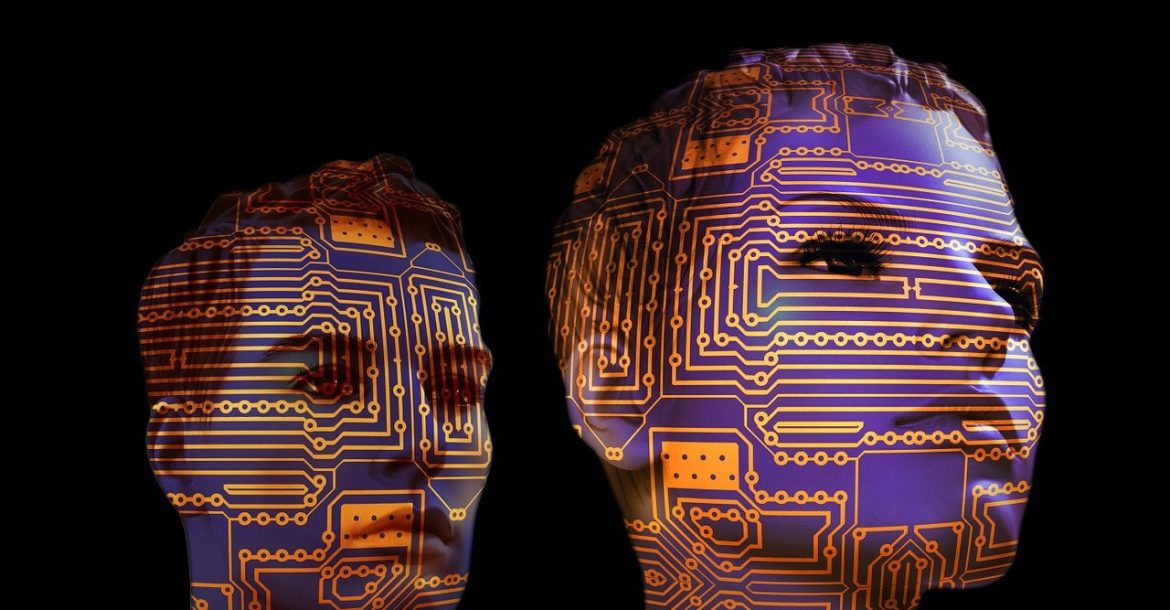

Amid the dazzling advancements, there lies a critical imperative: ethical considerations in the development and deployment of AI. It’s a journey that requires a delicate balance between innovation and responsibility, where every decision echoes beyond the confines of code and algorithms, shaping the very fabric of our society.
At the heart of this pursuit lies the profound question: How do we harness the potential of AI while ensuring that it serves humanity with integrity and fairness? The answer lies not in restraint, but in embracing a vision where innovation and ethics intertwine, each enriching the other.
In the realm of AI, transparency reigns supreme. Transparency not only fosters trust but also empowers users and stakeholders to understand the decisions made by AI systems. As developers and engineers, we must strive to demystify the inner workings of AI, making them accessible and comprehensible to all. Through transparency, we pave the way for accountability, ensuring that AI systems remain accountable for their actions.
Read More
- Meta introduces Facebook feature allowing users to control suggested content
- Meta bets beyond smartphones with new pocket-sized AI device ‘Charm’
- OpenAI CEO Sam Altman to brief UNSC amid growing calls for AI safeguards
- Meta rolls out parental supervision on Threads in Asia-Pacific, expands controls for teens under 16
- Meta agrees to report child abuse cases to Indian authorities
Equally vital is the principle of fairness. AI has the power to amplify biases present in data, perpetuating injustices that plague our society. To combat this, we must actively confront biases at every stage of AI development, from data collection to algorithm design. By embracing diversity and inclusivity, we can forge AI systems that are not only fair but also reflective of the rich tapestry of human experiences.
However, the journey towards ethical AI extends beyond technical considerations. It requires a holistic approach that encompasses legal, social, and cultural dimensions. As stewards of AI, we must engage in interdisciplinary dialogue, collaborating with ethicists, policymakers, and communities to chart a path forward that upholds human dignity and rights.
Yet, amidst the complexities and challenges, there lies an undeniable sense of optimism. With each ethical dilemma we navigate, we inch closer towards a future where AI serves as a force for good, enhancing our lives in ways we never thought possible.
So, let us embark on this journey with courage and conviction, mindful of the profound responsibility that accompanies our role as creators of AI. Let us innovate boldly, but with a steadfast commitment to the values that define our humanity. For in the delicate dance between innovation and responsibility, lies the promise of a brighter tomorrow, where AI not only transforms our world but elevates it, one ethical decision at a time.





