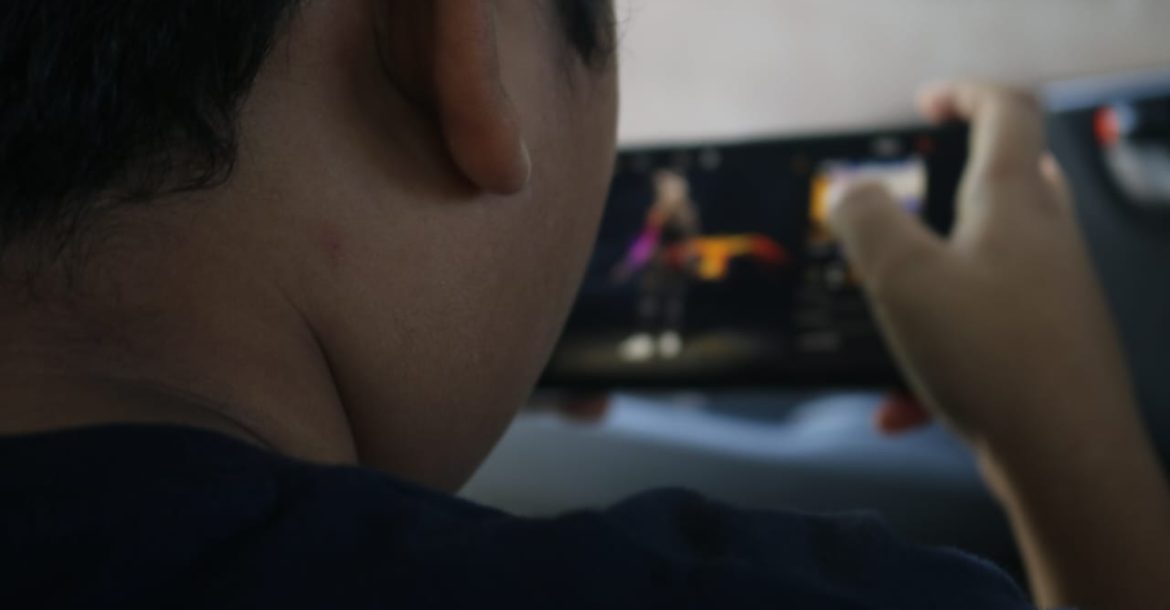

The advent of technology has ushered in unprecedented connectivity and access to information, but it also brings forth a myriad of challenges, especially for the younger generation. This article delves into the profound impact of social media on children in today’s time, exploring the opportunities, risks, and the critical role parents and society play in guiding the next generation through the digital frontier.
1. The Social Media Landscape: A Digital Playground:
Social Media platforms have become the modern playground for children, offering spaces for self-expression, communication, and the cultivation of virtual identities. Platforms like Facebook, Instagram, TikTok, and Snapchat have redefined how children connect with peers, share experiences, and express themselves. The allure of social media lies in its ability to create communities, foster creativity, and provide a stage for self-discovery.
Read More
- From Runway to TikTok: How social media is changing the way fashion trends take off
- Maximalism Takeover: Why statement jewellery and loud heritage prints are outpacing quiet luxury in the Gulf
- Rest or avoiding reality? How Gen Z’s ‘Bed Rotting’ trend uncovers a global mental health crisis
- Here is why bedazzling is taking over your social media feed and has now made its way to Middle East
- How much sunlight is enough? Experts warn against overexposure
2. Opportunities for Learning and Creativity:
Social Media can be a powerful tool for learning and creativity. Platforms like YouTube offer educational content, tutorials, and skill-building resources. Children can explore diverse perspectives, engage in meaningful discussions, and showcase their talents. The ability to connect with peers globally can broaden their horizons and enhance cultural awareness, contributing to a more interconnected world.
3. Risks and Challenges:
Despite the positive aspects, social media presents a range of risks that can impact children’s well-being. Cyberbullying, online harassment, and exposure to inappropriate content are pressing concerns. The curated nature of social media can contribute to unrealistic beauty standards and body image issues. The constant connectivity may lead to sleep disturbances, anxiety, and feelings of inadequacy among children striving to meet perceived expectations.
4. Impact on Mental Health:
The impact of social media on children’s mental health is a growing concern. The relentless pursuit of likes, comments, and virtual validation can lead to feelings of anxiety and self-worth tied to online popularity. The comparative nature of social media can contribute to a sense of inadequacy, fostering an environment where children measure their success against curated online personas.
5. Parental Guidance and Digital Literacy:
Parents play a pivotal role in mitigating the negative impacts of social media. Open communication, establishing healthy boundaries, and fostering digital literacy are crucial components of responsible online behavior. Educating children about the potential risks, teaching critical thinking skills, and encouraging responsible use can empower them to navigate the digital landscape responsibly.
6. Balancing Screen Time:
Balancing screen time is essential for maintaining a healthy lifestyle. Excessive use of social media can contribute to sedentary behavior, sleep disturbances, and hinder real-world social interactions. Encouraging a balance between online and offline activities fosters a holistic approach to well-being.
7. Empowering Children to Make Informed Choices:
Empowering children to make informed choices is paramount. Educating them about privacy settings, the permanence of online content, and the potential consequences of sharing personal information can empower them to navigate social media responsibly. Encouraging self-reflection and building resilience against online pressures contribute to their overall well-being. Our Role is to guide the Children through the Digital Frontier. In conclusion, the impact of social media on children is multifaceted, encompassing both opportunities and challenges. As we navigate this digital frontier, it is essential to recognize the role social media plays in shaping the lives of the younger generation. By fostering open communication, promoting digital literacy, and encouraging responsible use, we can guide children towards a balanced and positive relationship with social media, ensuring that they harness its potential for learning, creativity, and connection while safeguarding their mental and emotional well-being.





