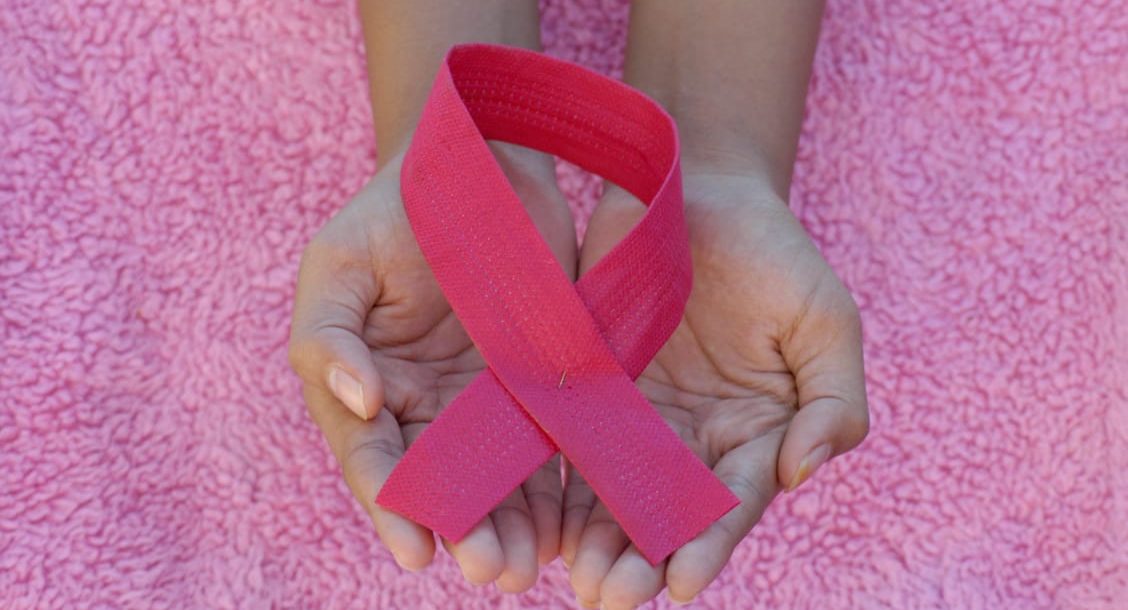

While some of us have lost a friend, colleague, relative or acquaintance to cancer, many of us know someone who has been affected by cancer and has survived the disease to mark a new lease of life. It is these stories that help put a brake on the fear surrounding the uncertainty of cancer diagnosis and treatment.
The fact is: there is life after cancer. All that one requires is right support and care, and a whole lot of awareness regarding proactive health measures to face the challenge of cancer recurrence.
Taking on Cancer: Insights from a Medical Specialist
Read More
- Oman lays foundation stone for genome centre costing more than RO 4.2 million
- Nearly 60% of high blood pressure cases go undiagnosed, Oxford study finds
- ADHD: An emerging discussion on a shared disorder
- Matcha Mania: Is the green drink really as healthy as it seems?
- Oman marks World Health Day, highlights commitment to health innovation and digital transformation
In observance of World Cancer Day, TAS Weekly invited Dr. Anurag Kumar, Medical Director and Senior Specialist in Internal Medicine at Adlife Hospital, to shed light on this critical topic and provide insights into cancer prevention, misconceptions, early detection, and more, so as to raise awareness and foster dialogue on this prevalent yet often misunderstood disease.
Dispelling Misconception
Dr. Anurag Kumar debunks common myths surrounding cancer, by stating that many people still believe cancer is untreatable, painful, and requires prolonged hospitalization.
Below are the myths and facts as listed by Dr. Kumar:
Myth: That cancer is not treatable.
Fact: Most cancers are completely treatable now.
Myth: That chemotherapy is painful.
Fact: Nowadays chemotherapy is not painful.
Myth: That treatment requires long stay in hospital.
Fact: Nowadays chemotherapy is given as day care procedure.
Lifestyle Factors and Prevention
Addressing lifestyle factors, Dr. Kumar highlights the role of diet and exercise – “Eating junk food, living sedentary lifestyle, smoking, chewing tobacco, etc., are key lifestyle factors that contribute to the development of cancer,” he notes.
To counter that, he recommends the following:
“Consuming wholesome home cooked meals, regular exercise, avoiding obesity, and steering clear of tobacco and alcohol can significantly mitigate cancer risk.”
Early Detection
Below are the recommended screening methods, as listed by Dr. Kumar:
Colon cancer: Colonoscopy at 49 years of age
Cervical cancer: HPV cotesting with Pap smear
Lung cancer: LRCT (low resolution CT scan) in smokers only
Mammography: For breast cancer screening
Signs, Symptoms, and Vigilance
Awareness of potential warning sign is crucial, Dr. Kumar notes. “Weight loss, fatigue, and unexplained fevers can indicate underlying malignancies,” he cautions. Certain demographics may be more susceptible to specific cancers, he adds, urging individuals with family histories to remain vigilant and undergo necessary screenings.
“If particular cancer history is there in family, then individual should tell his/her doctor, who will carry out the necessary tests,” he stresses.
Nutrition, Genetics, and Exercise
While genetic factors play a role, Dr. Kumar stresses the significance of a healthy lifestyle. “Obesity is a risk factor for cancer; so is alcohol and smoking,” he points out
Explaining further, he states: “While certain foods and superfoods may offer protective benefits, maintaining a balanced diet and regular exercise regimen is paramount.
“Broccoli, nuts, dry fruits, fruits, green leafy vegetables…all help to prevent obesity, fatty liver, high cholesterol, diabetes, hypertension, etc. However, link to cancer is not established.”
He recommends eating healthy foods and maintaining dietary habits, which can prevent obesity and reduce cancer risk. On the same count, he advises avoiding food items such as butter, oil, sugar and sweets to keep obesity at bay.
Key Takeaway
Dr. Kumar’s key message on cancer awareness and prevention:”Adopt healthy habits, avoid tobacco and alcohol, and prioritize regular screenings are paramount,” he asserts.
Dos and Don’ts
“Do embrace a healthy lifestyle, exercise regularly, and seek medical attention for concerning symptoms,” he advises, while urging everyone not to neglect well-being or ignore warning signs; and also not to succumb to unhealthy habits.
In the journey towards a cancer-free future, knowledge, awareness, and proactive action are the most potent allies.





