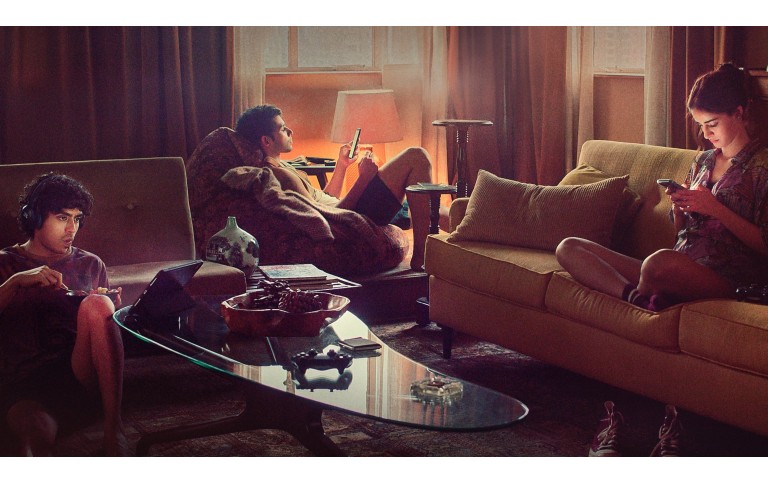

Why do we recommend this Netflix release, Kho Ghaye Hum Kahan, which translates to “Where are we lost?” Yes, we are lost and buried in the vast, vicious world of social media, which is governed by a single online force. It will take a lot of courage to disconnect from this network of perception-shaping servers.
The movie opens with a shot that introduces the protagonists and their characters in a single frame, utilising an unusual yet effective technique to set the tone for the story.
Being a stand-up comedian by profession, Imaad (Siddhant Chaturvedi) is up on stage doing his finest performance. In the same shot, he uses the chance to introduce the other two main characters, Neil (Adarsh Gourav) and Ahana (Ananya Pandey).
Following the introduction of each character in the opening song, the film proceeds to provide an initial framework for each character.

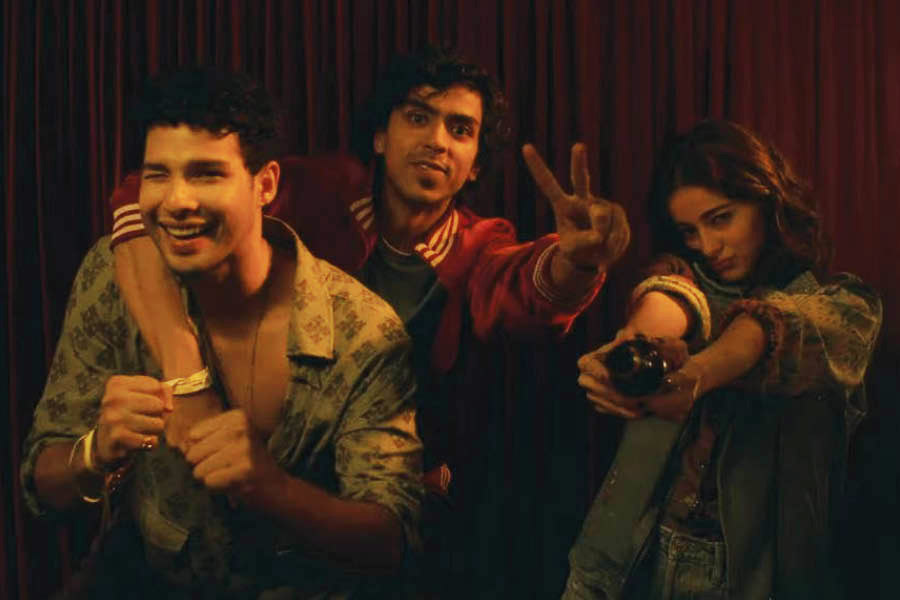
The general profile of each character is as follows: I’m a quirky stand-up comedian named Imaad, who is also quite regular on dating apps.
Read More
- KS Harishankar to headline Ultimate Music Fiesta in Muscat on November 6
- Superstar Rajinikanth’s ‘Jailer 2’ sets Oman cinemas on fire with over 20 shows a day
- Veteran Indian actor Nana Patekar dies at 75
- Ayushmann Khurrana and Sara Ali Khan bring the energy to Chandigarh ahead of Udta Teer
- One Feeling at a Time: Talwiinder begins his ‘Paiinted Feeliings’ journey with ‘Assay Passay’
Ahana is the girl in the guy gang who is bright, diligent, understanding, a girlfriend to someone and a corporate woman..
Niel is the fitness enthusiast, skilled coach, and impetuous, laid-back guy.
Siddhant Chaturvedi gives Imaad a unique blend of tenderness and cold-blooded haughtiness. Ananya demonstrates that she is more than just a nepotistic child. She draws you into her insecurities and concerns.
Adarsh Gourav sticks by you while he deftly exposes Neil’s character’s concealed rage and inner burns.
The three best buddies discover the hard way that social networking is a toy for privileged people. It doesn’t take long for something to turn from a sure thing to a slippery slope. It’s a double-edged weapon with sharp edges that may sever deep wounds and leave them rotting.
The director has considered these three distinct millennial kinds that pursue three distinct goals in the modern world yet unify together with common virtues and sufferings. This story’s lesson is meant to be similar to a manual on “How to pass this phase with shared experiences,” yet it’s different from that.
The distinction between reel and real is becoming increasingly blurred. Nowadays, it might be an adventure sport to do any activity at hand without checking social media updates on your phone. Before, being offline was the new luxury. It’s becoming more and more necessary in a world where the horrors of virtual spells are becoming more and more of a problem.
With remarkable information about our reality, this movie is the closest to the real world available on our counters. The film centres on the lives of three single millennials as they juggle between the hardships of reality.
The socioeconomic background and the city that is portrayed have influenced the director’s perception to fit in the sense of justice to each character as well as every emotion they carry. However, in this film, the idea of reality differs from the sociological factors.
Speaking of the movie’s setting, there’s something unique about it: even the bricks and walls have characters of their own.
It is a very well-chosen representation of social reality and love. Addressing how people are inherently easygoing and how a single post on social media can drastically change public view.
The easier lifestyles are made more difficult by repressed feelings and straightforward judgments kept under wrap.
The film, directed by Arjun Varain Singh and written by Zoya Akhtar, effectively depicts the banal aspects of daily life while connecting to the internet. This two-hour, fourteen-minute film has been maintained clear, tidy, and artistically focused by Arjun. The movie’s visuals, soundtrack, and the way it flows all seem plausible.
With its close-up shots of psychologically taxing sequences or its portrayal of the change from a good to a bad day, the film’s director leaves little opportunity for criticism. But the colour choice that established the movie’s tone caused us to dock it with a star.
It seemed more dull and less gloomy.





