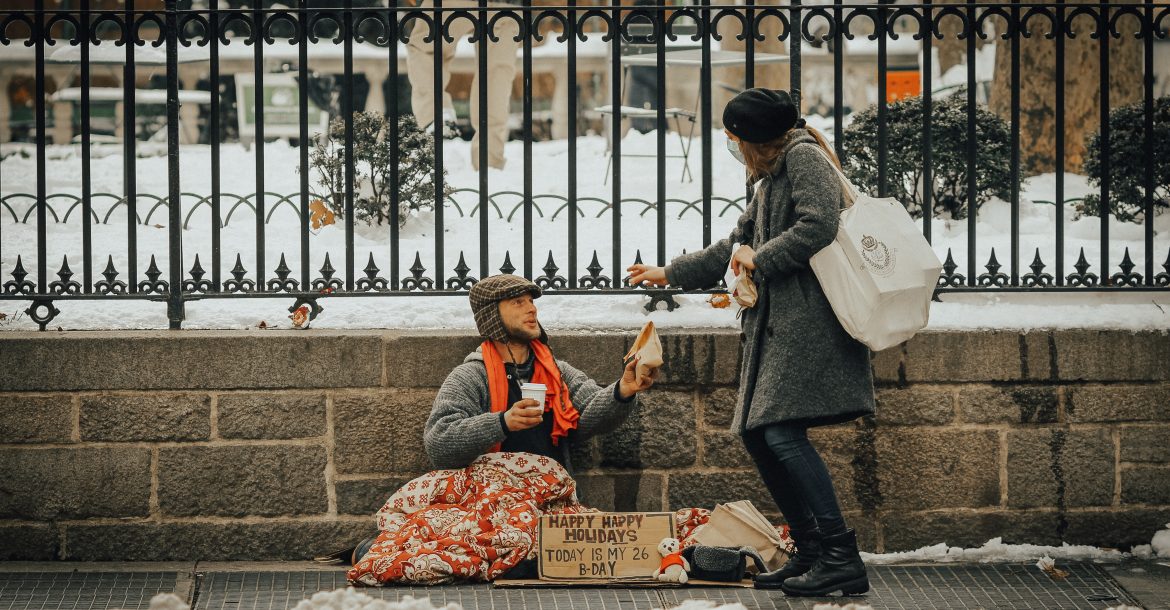

Muscat: “It’s the most wonderful time of the year,” as the classic holiday tune joyfully reminds us. The season’s air is infused with a magical blend of warmth, festivity, and the promise of shared moments with loved ones—the holiday season sweeps in like a comforting hug, reminding us of the simple joy that comes from giving.
At its core, giving is more than just exchanging things. Psychologists have been studying how doing good things for others affects our minds and emotions, revealing a mix of complex feelings that leaves us feeling fulfilled.
One of the key psychological drivers behind the joy of giving is the activation of the brain’s reward system. When we engage in acts of kindness or generosity, our brains release neurotransmitters such as dopamine and oxytocin, often referred to as the “feel-good” chemicals. These neurotransmitters play a crucial role in regulating mood and fostering a sense of connection, ultimately contributing to an enhanced state of well-being.
Read More
- Oman lays foundation stone for genome centre costing more than RO 4.2 million
- Nearly 60% of high blood pressure cases go undiagnosed, Oxford study finds
- ADHD: An emerging discussion on a shared disorder
- Matcha Mania: Is the green drink really as healthy as it seems?
- Oman marks World Health Day, highlights commitment to health innovation and digital transformation
Moreover, giving provides a unique avenue for individuals to express their values and reinforce a positive sense of identity. Whether it’s donating to a charitable cause, volunteering time, or simply offering a listening ear, these acts of generosity align with our core beliefs and values. In doing so, we not only contribute to the well-being of others but also reaffirm our own sense of purpose and significance in the world.
Tips for a Heartfelt Giving Experience:
- Personalized Presents: Consider adding a personal touch to your gifts, making them more meaningful. It could be a handwritten note, a small memento with sentimental value, or a customized item that reflects the receiver’s interests.
- Experiential Giving: Instead of focusing solely on material gifts, explore experiences that create lasting memories. This could be a shared activity, a virtual event, or a thoughtful gesture that goes beyond the confines of traditional presents.
- Random Acts of Kindness: Simple gestures, like writing a heartfelt letter appreciating one’s presence in your life, leaving an uplifting note or lending a listening ear to someone in need can brighten someone’s day unexpectedly.
- Volunteer and Connect: Dedicate time to volunteer for a cause that resonates with you. The act of giving your time not only contributes to the well-being of others but also fosters meaningful connections within your community.
- DIY Delights: Infuse your gifts with a personal touch by creating something yourself. Whether it’s homemade treats, handcrafted ornaments, or a DIY project, the effort and creativity invested adds a unique charm.
As we navigate the holiday season, it’s important to recognize that the psychology of giving extends beyond the exchange of material gifts. Acts of kindness, empathy, and compassion all fall under the umbrella of giving, contributing to a collective sense of goodwill and community. In a world where challenges and uncertainties abound, the ability to uplift others through simple, heartfelt gestures can foster resilience and hope.





