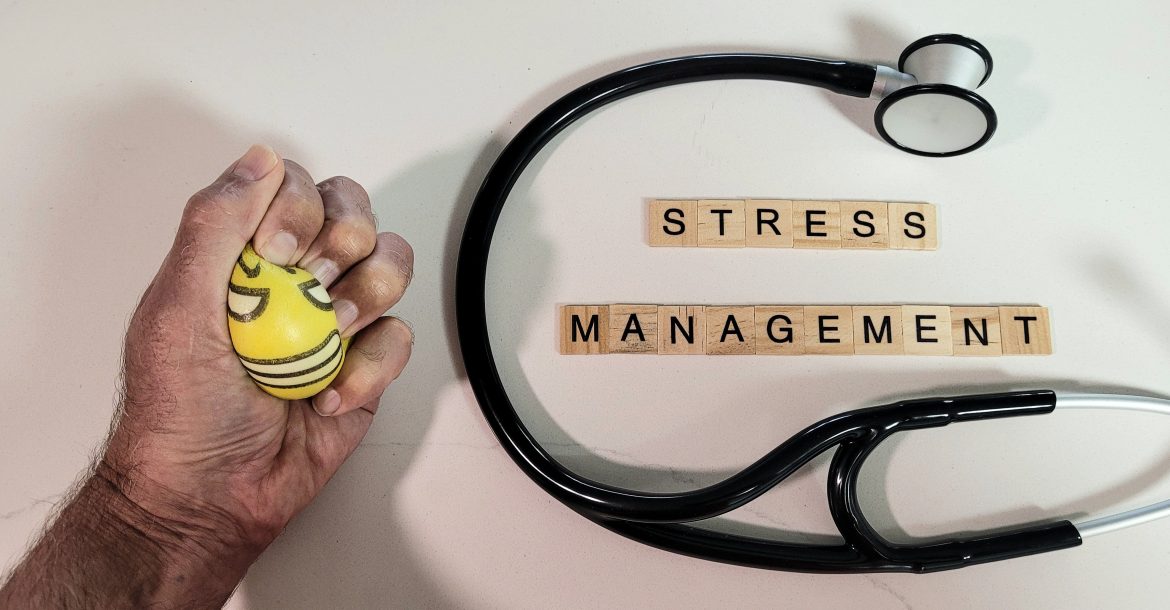

International Stress Awareness Week is celebrated every year in the first week of November and is a timely reminder of the prevalent issue that many individuals face in their daily lives. Stress, in one form or another, affects people from all walks of life. It can stem from a variety of sources, be it work-related pressures, personal challenges, or external factors beyond our control. The ability to manage and mitigate stress is an essential skill, one that can significantly impact our mental and physical well-being.
In the process of stress management, one useful concept to bear in mind is the “Circle of Control.” This conceptual tool helps individuals distinguish between aspects of their lives that they can influence and those they cannot. The Circle of Control is essentially divided into two distinct segments: the inner circle, representing factors we have some influence over, and the outer circle, symbolizing aspects beyond our control.
In the inner circle, we find elements such as our reactions to events, our self-care practices, and our time management. These are the areas where we can exert a degree of influence. For instance, we can choose how we react to challenging situations or allocate time for relaxation and self-care activities.
Read More
- Oman lays foundation stone for genome centre costing more than RO 4.2 million
- Nearly 60% of high blood pressure cases go undiagnosed, Oxford study finds
- ADHD: An emerging discussion on a shared disorder
- Matcha Mania: Is the green drink really as healthy as it seems?
- Oman marks World Health Day, highlights commitment to health innovation and digital transformation
Conversely, the outer circle encompasses elements such as the weather, traffic, or the actions of other people. These factors, by their very nature, are beyond our direct control. No amount of worrying or stress can change them. Acknowledging this distinction is the first step in effectively managing stress. It encourages us to channel our energy towards factors within our control and, where necessary, let go of concerns regarding external circumstances.
During International Stress Awareness Week, individuals are encouraged to assess their personal Circle of Control. Take a moment to reflect on where you are allocating your energy. Are you expending significant effort on matters beyond your influence, leading to unnecessary stress and anxiety? Or are you focusing your attention on those aspects that you can change, helping you build resilience and maintain a sense of balance?
It’s important to recognize that stress can manifest in diverse ways. It may manifest as physical symptoms like headaches, muscle tension, or digestive issues. Alternatively, it can affect mental well-being, leading to increased anxiety, mood swings, or even depression. Understanding the signs of stress is crucial.
One of the most effective ways to manage stress is by leaning on your support system. This may include friends, family, or colleagues who provide a listening ear and emotional support. Sometimes, just talking about your feelings can bring a sense of relief and perspective. Furthermore, professional help, such as therapy or counseling, can be invaluable for those dealing with chronic stress or more severe forms of mental health challenges. Self-care is another critical component of stress management. It’s not a luxury; it’s a necessity. Making time for yourself is an investment in your mental and physical health.
In conclusion, International Stress Awareness Week reminds us of the vital role stress management plays in our lives. The Circle of Control is a valuable tool, guiding us to focus on what we can change and accept what we cannot. Stress is a common part of being human, but with the right strategies and support, it can be effectively managed. So, the next time stress knocks at your door, ask yourself, “Is this worth my energy?” This simple question can lead you to prioritize what truly matters, helping you navigate life’s challenges with resilience.





