

MUSCAT: The specialised papers presented during the seminar on digital payments in the Sultanate of Oman emphasized the importance of enhancing the efficiency and speed of transactions, mandating commercial establishments to provide electronic payment services to consumers, and strengthening awareness campaigns on the safe use of digital payments. The discussions highlighted the key advantages of digital payment transactions, including speed, security, transparency, and operational efficiency for all beneficiaries of these banking services. Bank Muscat, the leading financial services provider in the Sultanate of Oman, organised the seminar in collaboration with the Central Bank of Oman, the Ministry of Commerce, Industry and Investment Promotion, the Consumer Protection Authority, and the Oman Banks Association. The event was held as part of national efforts to advance digital transformation, support financial innovation, and establish an integrated digital payments ecosystem aligned with the objectives of Oman Vision 2040.
The Central Bank of Oman presented two papers. The first, delivered Samah bint Salim Al Shukaili, Payment Systems Specialist at the Central Bank of Oman, focused on the evolution of payment systems in Oman. She reviewed the stages of development of the national payment infrastructure, explaining how payment systems have evolved from traditional mechanisms into an integrated digital ecosystem supporting various payment methods for individuals and institutions. Al Shukaili also highlighted the strategic role of the Central Bank of Oman in developing and operating national payment systems, as well as the existing infrastructure supporting high-value and retail payment transactions across the Sultanate. She also reviewed key indicators and statistics reflecting the rapid growth of digital payment usage, the expansion of electronic channels and modern payment methods, and ongoing initiatives and future trends in digital payments. These developments support financial innovation, enhance financial inclusion, and contribute to achieving digital transformation objectives under Oman Vision 2040.
Read More
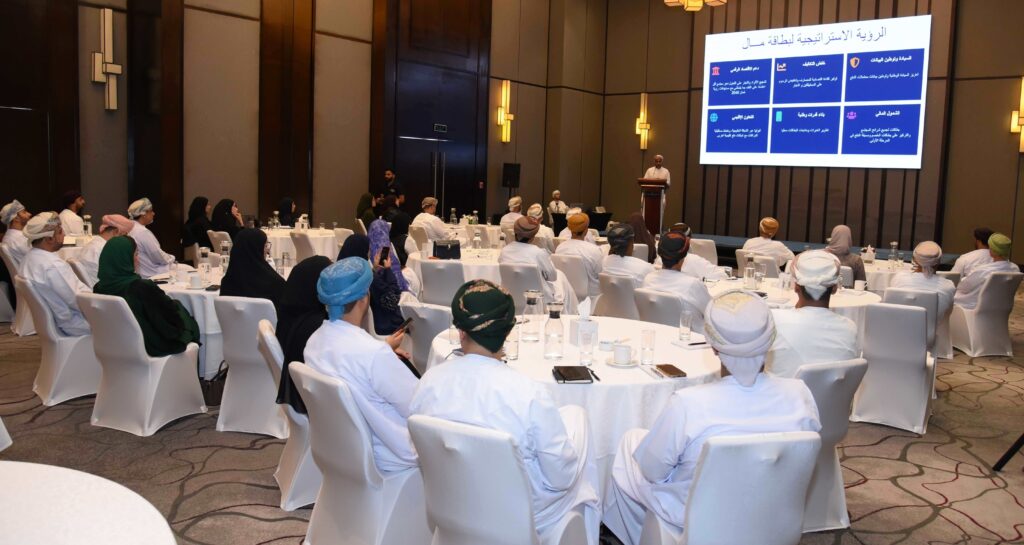
The second paper was presented by Mohammed bin Abdullah Al Siyabi, Manager of Domestic Cards Scheme Department at the Central Bank of Oman, who discussed the national “Maal” card as one of the strategic initiatives supporting the development of Oman’s payment ecosystem and enhancing the efficiency of the national economy. He explained the card’s role in strengthening national sovereignty over card payment services by enabling the processing and settlement of domestic transactions within Oman, thereby reducing associated costs and fees while enhancing the protection and sovereignty of national data. Al Siyabi also noted that the Maal card supports financial inclusion by offering low-cost national payment products tailored to the needs of various segments of society. Additionally, it helps reduce merchants’ costs of accepting electronic payments and encourages wider adoption. The card also contributes to accelerating the transition toward a digital economy and fostering innovation in payment services in line with the goals of Oman Vision 2040.
Hilal bin Mohsin Al Aamri, Director of the Inspection Department at the Ministry of Commerce, Industry and Investment Promotion, spoke about the legal framework governing electronic payments and the importance of developing a comprehensive regulatory environment that supports innovation while safeguarding the rights of all stakeholders. Such efforts contribute to strengthening confidence in digital services and encouraging investment in modern financial technologies. Regarding electronic payment services, Al Amri highlighted Ministerial Decision No. 386/2022, which mandates selected commercial activities to provide electronic payment services to consumers as part of efforts to advance digital transformation and enhance the business environment. The decision requires eight categories of businesses to offer electronic payment facilities. He emphasized that the Ministry has the authority to take administrative measures against violators, including warnings and administrative fines in accordance with the provisions of the decision. These measures support the transition toward a digital economy and promote financial inclusion in line with Oman Vision 2040.
Representing the Consumer Protection Authority, Khalid bin Salim Al Siyabi, Director of Market Regulation and Monitoring Department, outlined the Authority’s efforts in monitoring compliance among businesses to ensure the availability of digital payment options without imposing additional charges on consumers. He also highlighted initiatives aimed at raising awareness about consumer rights in digital payment transactions, handling complaints related to failed payment transactions or consumer exploitation, and collaborating with regulatory bodies such as the Central Bank of Oman and the Ministry of Commerce, Industry and Investment Promotion to ensure a fair and secure payment environment while supporting the national digital transformation agenda. Al Siyabi further explained that consumers have several rights regarding digital payment services, including the right to access digital payment options at commercial establishments in line with national efforts to reduce reliance on cash, the right to security and privacy, the right to easy-to-use payment solutions and alternative options during system outages, the right to transparency from merchants, and the right to refunds and dispute resolution in cases of erroneous deductions or payment issues. He stressed the importance of expanding public awareness campaigns on the safe use of digital payments and ensuring that businesses clearly communicate their digital payment policies.
Bank Muscat presented two papers. The first was delivered by Naila bint Shafi Al Balushi, Merchant Relationship Manager, who discussed the importance of digital payments and the wide range of services associated with them. She highlighted Point-of-Sale (POS) services and various device types, explaining how these solutions enable merchants to accept payments efficiently and securely. Al Balushi also reviewed remote payment services through smart devices, online payment gateways, and payment links that help businesses strengthen their digital capabilities while providing customers with greater convenience and flexibility. She further outlined the differences between digital and cash transactions, emphasizing the advantages of digital payments in terms of speed, security, transparency, and operational efficiency. Additionally, she highlighted the value-added services available to merchants, the benefits offered by POS solutions, and the comprehensive support provided by Bank Muscat through tailored payment solutions, customer support services, and initiatives that accelerate the digital transformation journey of institutions and businesses.
The second paper was presented by Ahmed Khalfan Ambusaidi, Head of eChannels Support, who addressed the topic of digital payment security and the advanced technologies used to protect electronic transactions. He emphasized the importance of transitioning to digital payments in Oman and their role in enhancing security and operational efficiency. Ambusaidi noted that this transition is driven by rapid digitalization, changing consumer behavior, and increasing expectations for secure and seamless financial services. He also highlighted the challenges associated with reliance on traditional cash transactions, including higher risks of theft and counterfeiting, limited transparency and traceability of financial transactions, and increased operational costs related to cash management. He stressed that the success of digital payments depends on three key pillars: establishing a secure payment system that protects transactions and enhances customer confidence, providing a fast and user-friendly customer experience, and continuously innovating to meet evolving market needs.





