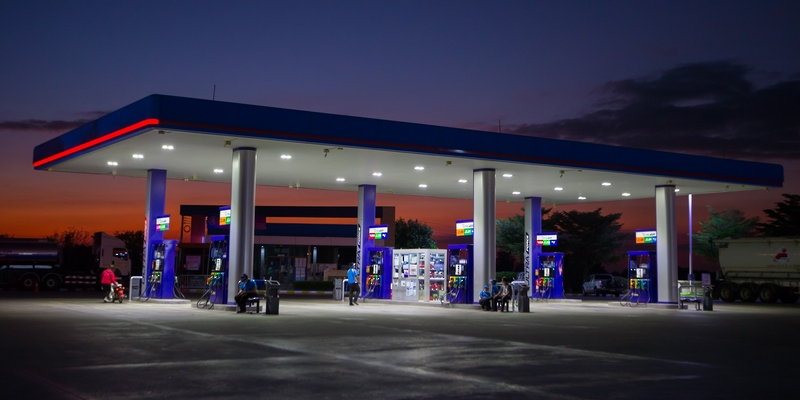

MUSCAT – The new regulations are part of ongoing efforts to modernise the fuel station sector, enhance service quality, and strengthen the investment environment by simplifying licensing procedures and updating regulatory standards in line with economic growth.
The ministry said the sector has witnessed notable activity this year, with 16 applications submitted for new fuel stations, along with the issuance of two operating licenses and six construction licenses, reflecting increasing investor interest in this vital sector.
Nasra bint Sultan Al Habsi, Director General of Trade, said the updated framework aims to improve infrastructure, ensure sustainability, and enhance the quality of services provided to consumers. She added that the regulations introduce modern technical and planning standards while supporting the development of the investment environment and meeting consumer needs across the Sultanate.
Read More
- Oman’s Labour Ministry warns against fictitious employment and data misuse
- Oman to witness penumbral lunar eclipse on August 28
- Onam fever grips Oman as supermarkets bustle, restaurants fill up ahead of Thiruvonam
- Oman targets 30% local health manufacturing in three years and cut reliance on imports
- Oman and UK discuss bilateral ties, regional developments in Muscat
For his part, Ahmed bin Mubarak Al-Balushi, Head of the Oil Products Licensing Department, described the framework as a qualitative leap in regulating the sector, noting that it aligns with market developments and urban planning requirements.
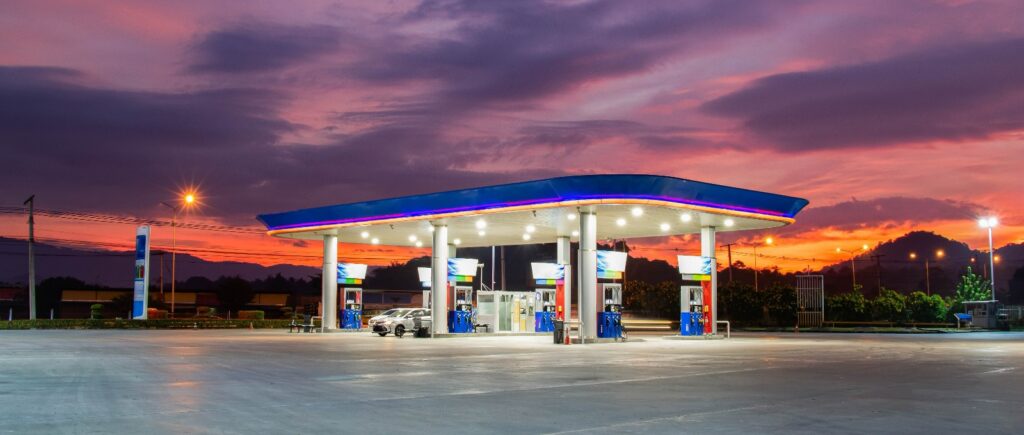
He explained that the new regulations classify fuel stations into four categories based on size and services, including integrated stations with a minimum area of 10,000 square metres, commercial stations of 3,000 square metres, smart self-service stations of 800 square metres, and mobile stations that operate through mobile units. The framework also sets specific distance requirements between stations, stipulating a minimum of five kilometres on non-divided roads in either direction, with certain exceptions in areas such as Muscat, Salalah and Sohar based on economic feasibility and regional needs. In addition, integrated stations must be spaced at least 50 kilometres apart in the same direction, unless otherwise approved by the competent authority.
Al-Balushi added that establishing fuel stations requires proof of land ownership, lease agreements, or usufruct rights, along with compliance with zoning, safety, and technical requirements. The regulations also mandate the provision of modern energy solutions, including infrastructure for solar energy, electric vehicle charging points, and hydrogen refuelling capabilities in line with approved standards.
He further noted that integrated stations are required to provide essential service and commercial facilities, including parking areas and supporting infrastructure, to ensure comprehensive service delivery.
The ministry said the new framework is expected to enhance operational efficiency, support sustainable energy initiatives, and strengthen the overall competitiveness of the fuel station sector in Oman.





