

MUSCAT – The discussions come within the framework of the committee’s ongoing study of infrastructure and transport challenges in Muscat, which continues to face increasing traffic pressure driven by urban expansion, population growth, and rising vehicle numbers.
Officials from the Royal Oman Police presented an overview of the current traffic situation, identifying major congestion points and outlining key contributing factors, including increased vehicle ownership, expanding economic activity, and urban development. They also reviewed measures implemented to ease congestion, such as improving intersection management, upgrading traffic signal systems, increasing traffic presence in key areas, and adopting advanced technologies to enhance traffic flow.
The presentation highlighted ongoing projects, including road infrastructure upgrades, expansion of major roads, the introduction of smart monitoring systems, and initiatives aimed at raising traffic awareness among road users.
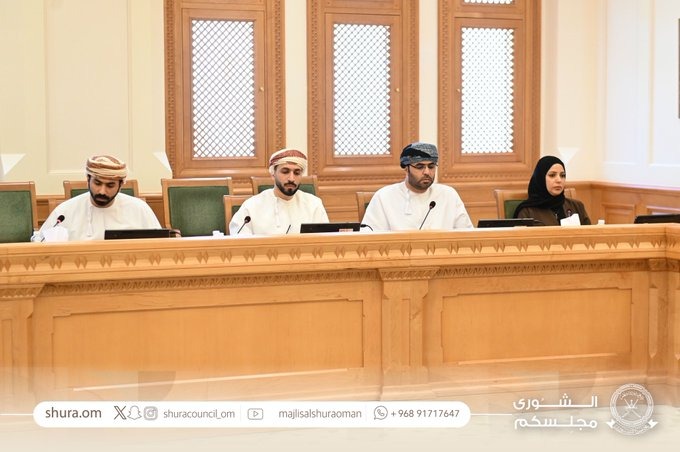
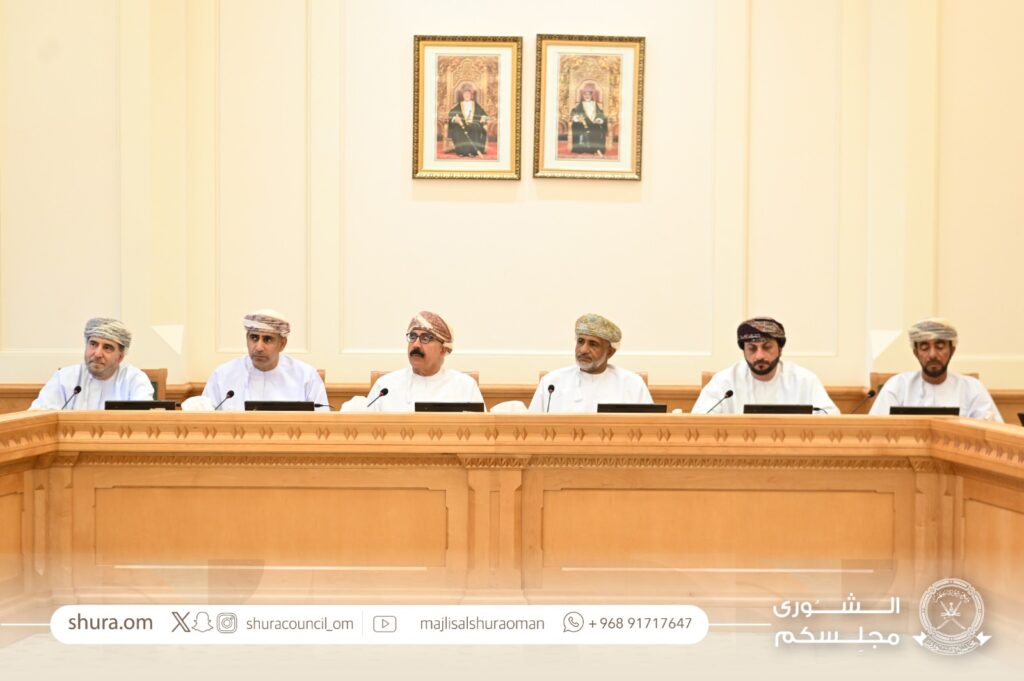
Committee members stressed the importance of stronger coordination among relevant authorities, particularly in implementing infrastructure projects such as the Muscat Expressway upgrade. They emphasised the need for integrated traffic management plans to minimise disruption during project execution and ensure smoother traffic movement.
In a separate session, the committee met with officials from the Ministry of Housing and Urban Planning to discuss the role of urban planning in addressing congestion through long-term development strategies.
The ministry presented the Greater Muscat Structure Plan, outlining its key features and its role in guiding urban growth to achieve a balanced distribution of land use. The plan also includes measures to address congestion through the development of public transport, promotion of human-centred urban design, and improved integration of road networks. Officials noted that the absence of a comprehensive structural plan in previous years had contributed to current challenges.
Committee members underlined the importance of urban planning as a central pillar in addressing traffic congestion, stressing that sustainable solutions require an integrated approach that takes into account population distribution, land use, and mobility patterns. They also called for innovative approaches to redistribute residential density and reduce pressure on high-activity areas, drawing on international best practices.
Members further called for accelerating short-term solutions to address immediate congestion, alongside continued implementation of long-term strategic plans. They emphasised the need to align urban planning strategies with Muscat’s geographical characteristics to ensure practical and effective outcomes that enhance traffic flow and improve quality of life.
The meeting was chaired by His Excellency Dr. Hamoud Ahmed Al Yahyai and attended by committee members, as part of the Shura Council’s efforts to address priority national issues and develop recommendations aimed at improving the urban transport system in line with sustainable development goals in Oman.
Read More
- Oman calls for non-aggression pact among Gulf nations, says Sayyid Badr Al Busaidi
- Youth are the pillar of Oman’s development and future, says minister
- His Majesty Sultan Haitham issues decrees amending Council of Oman, Shura election laws
- Oman moves to ensure essential goods supply, price stability as CPA meets retailers
- 13 expats arrested for gambling in Muscat





