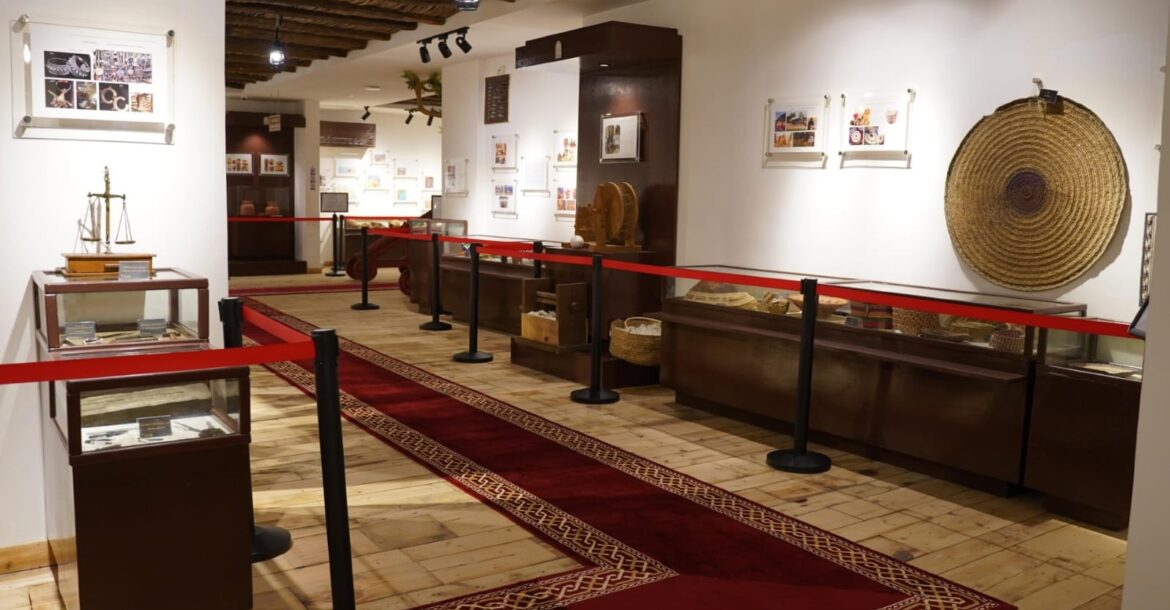
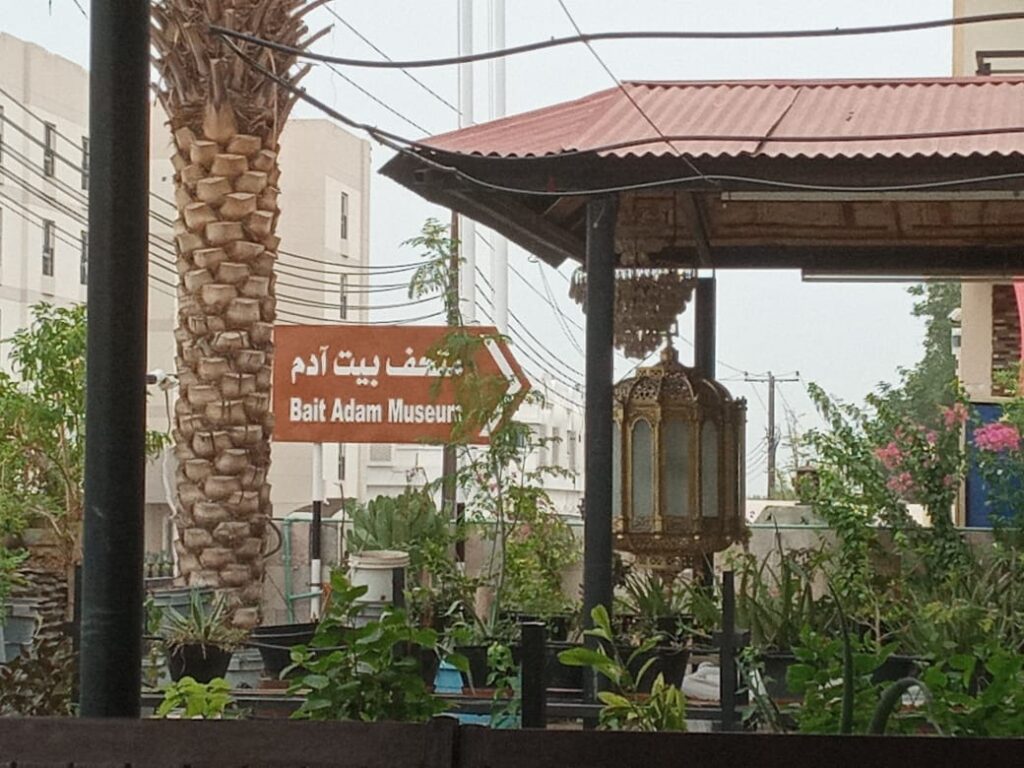
MUSCAT – These institutions include prominent sites such as Bait Al Zubair Museum, Bait Adam Museum, Place and People Museum in Muscat Governorate, Dhofar Private Museum, Rakhyut Fort Museum, Generations Continuity Museum in Dhofar, Madha Museum in Musandam, Nizwa Museum, Al Hamra Coin Museum, and Bait Al Safa Heritage Museum in Al Dakhiliyah, among others across various governorates.
Dr. Ahmed bin Mohammed Al Mansouri, Director of the Department of Museums and Private Heritage Houses at the Ministry, said the Ministry had issued 18 initial approvals for private museums, which are currently completing the remaining procedures to obtain final licenses.
“The Ministry seeks to highlight the role of private museums and heritage houses, raise awareness among the local community, and enable future generations to learn about Oman’s national heritage and identity,” Dr. Al Mansouri stated.
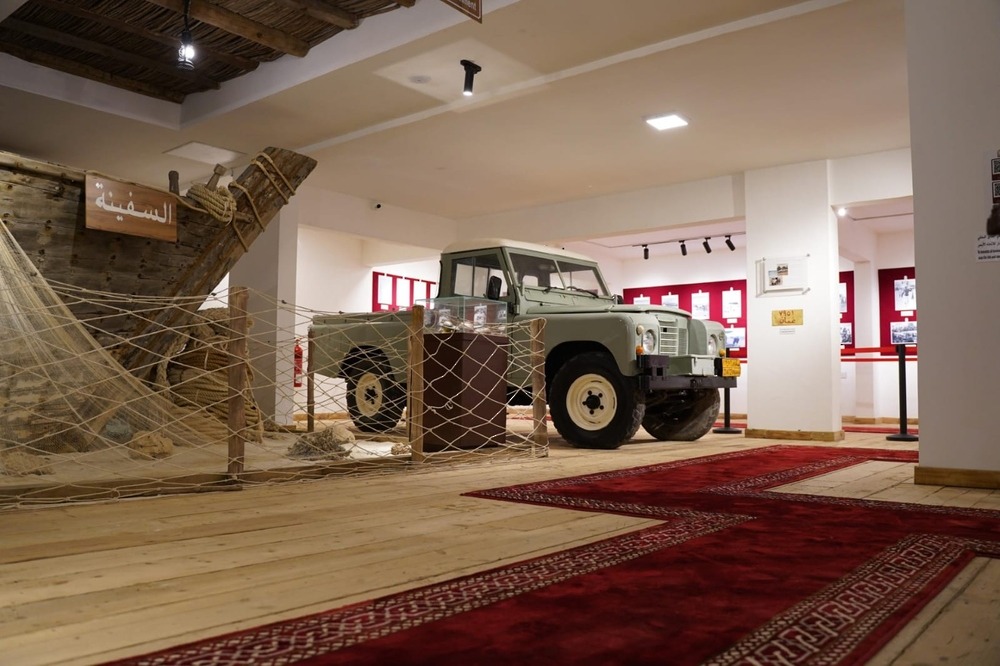
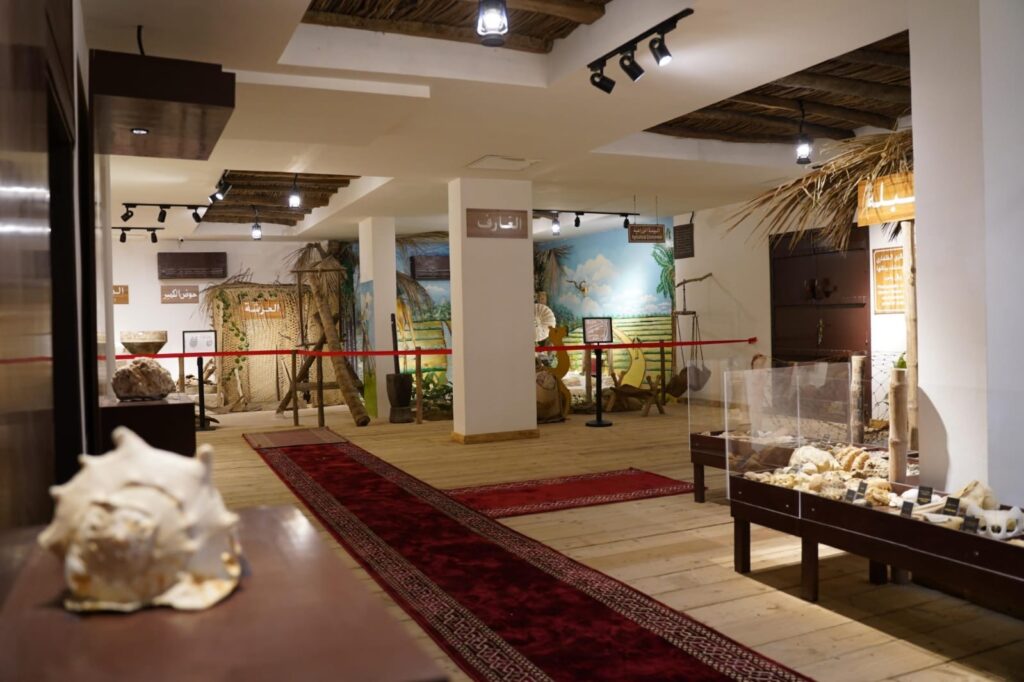
“These institutions contribute to cultural and economic development, serve as sites for research and learning, preserve national identity, raise cultural awareness, and provide job opportunities for Omani youth,” he added.
Dr. Al Mansouri emphasised that private museums and heritage houses are a vital part of Oman’s museum sector. The Ministry, in coordination with relevant authorities, licenses these institutions to preserve, maintain, and showcase cultural heritage items. Many citizens have invested in establishing private museums out of a commitment to safeguard Omani heritage for future generations.
The Ministry also monitors the administrative and technical development of these institutions, guiding owners before and after licensing to ensure compliance with Ministerial Resolution No. 262/2010, which regulates museums and heritage houses. Continuous inspections are conducted to assess operational and technical standards.
In recent years, the Ministry provided financial and technical support to enhance the structural and display aspects of private museums and heritage houses. Nine institutions across various governorates received funding to improve display cases, lighting, air conditioning, security systems, and maintenance. Workshops were also conducted to train staff in museum display, collection management, promotion, and professional ethics, with the aim of making these institutions cultural destinations capable of attracting local and international visitors.
Under Oman’s Cultural Heritage Law, private museums display archaeological, historical, scientific, cultural, natural, and artistic artifacts for study, research, public service, and cultural development. Private heritage houses are historical buildings owned by private institutions or individuals that exhibit heritage artifacts specific to their region.
When establishing exhibitions, museums and heritage houses are required to follow professional display standards, including organized placement of artifacts, secure display cases, classification of collections, protection from damage or theft, proper lighting, visitor capacity management, and implementation of security systems for artifacts, visitors, and staff.
Read More
- Oman FM Sayyid Badr, Pakistan PM Shehbaz Sharif discuss investment ties, regional stability
- Oman, Pakistan sign visa exemption agreement, expand cooperation
- Motorists in Oman get less fuel than paid for: Ministry detects 17 violations, shuts offending stations
- Oman launches kiosk and mobile app services for fishing licences and agricultural holding cards
- Muscat Municipality begins work on 8km road linking Al Maabela to Expressway





