There are stars who shine because the spotlight never leaves them.
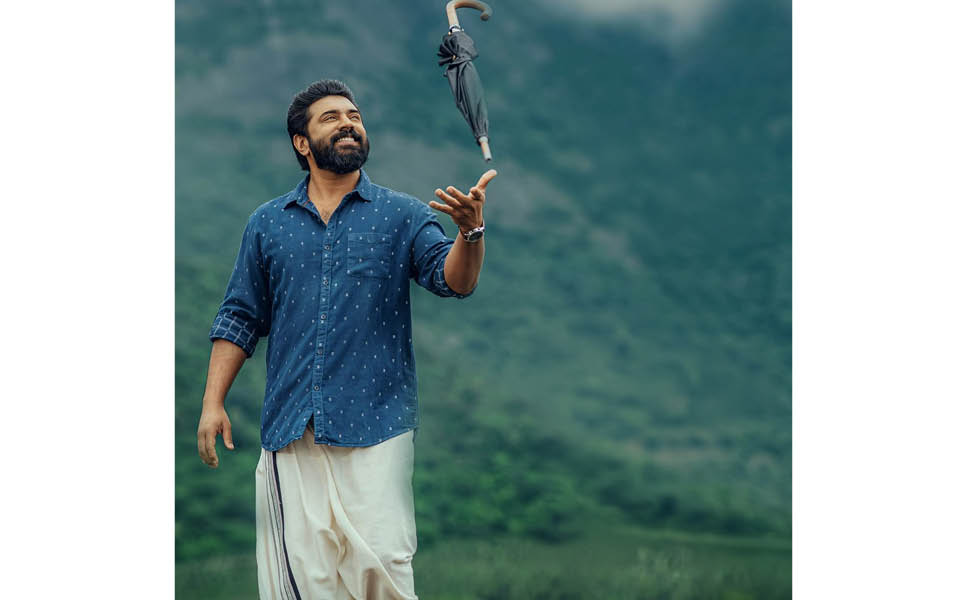
And then there are actors like Nivin Pauly — whose absence itself becomes a presence.
For many of us, Nivin isn’t just an actor we watch; he’s someone we grew up with. He walked into our lives as the boy-next-door — awkward, tender, flawed, and real. From the quiet ache of Thattathin Marayathu to the intoxicating nostalgia of Premam, from the bruised vulnerability of Moothon to the playful chaos of his comedies, Nivin once felt like Malayalam cinema’s most honest heartbeat.
Read More
- 43 Years, 25,000 Hours: The Quiet Legacy of Captain Prasad Herath
- A timely intervention: Why Oman’s call to review societal behaviour matters now
- From Muscat to Wall Street: How Riaz M Hakkim Built a Global Career in Finance
- Sreenivasan: The Voice That Shaped Our Childhood and Taught Indian Cinema to Think
- What Passengers Are Breathing: Study Finds Very High Pollution Levels Inside Aircraft
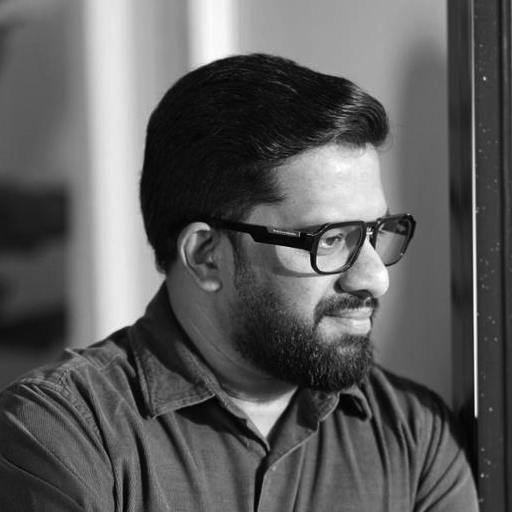
To me, he is not just an actor, but a friend — a brother I closely interact with, someone I have seen grow, struggle, evolve, and carry the weight of expectation both on and off screen. That proximity makes the silence feel personal, not distant.
This year, he completes 15 years in cinema — a journey marked not just by success, but by courage. Fifteen years of choosing emotion over noise, vulnerability over vanity, and risk over repetition. That alone deserves recognition.
And then… the silence. It wasn’t dramatic. It wasn’t announced. Just a gradual fading from the roles that once defined a generation.
Cinema moved on, as it always does. New stars arrived, louder, sharper, faster. Algorithms replaced anticipation. Openings replaced journeys. But somewhere in between, audiences kept asking the same quiet question — Where is Nivin Pauly?
Because what we miss isn’t just his face on screen. We miss how he made us feel.
Nivin had that rare gift — the ability to underplay emotion and still break you. He could stand still and let a moment breathe, allow silence to speak. In an era obsessed with scale, swagger, and spectacle, his greatest strength was softness matched only by a comic timing that felt effortless and instinctive.
That’s why Akhil Sathyan’s Sarvam Maya feels different — even before a frame is released.
Akhil Sathyan doesn’t make films in a hurry. He writes with restraint, with empathy, with an almost literary patience much like his father the legendary Sathyan Anthikad, but firmly in his own voice. His worlds are gentle, reflective, and deeply human. They don’t chase applause; they invite you in. And perhaps that’s exactly the kind of world Nivin needs to return to.
Sarvam Maya doesn’t feel like a “comeback vehicle.” It feels like a conversation — between an actor who once defined a sensibility, and a filmmaker who understands the value of emotional stillness. Between an audience that has grown older, more bruised, more introspective and a star who mirrors that evolution. This isn’t about redemption arcs or box office verdicts. It’s about recognition.
We’re ready to see Nivin not as the boy he once played, but as the man he has become. With weight emotional and otherwise. With scars. With stories that don’t resolve neatly. With performances that don’t beg to be liked.
Because Malayalam cinema doesn’t just need heroes. It needs actors who can hold mirrors.
And Nivin Pauly, at his best, always did that reflected us back to ourselves, unfiltered and unguarded.
As a friend, this is where my hope becomes simple and unapologetic: I want Nivin to win. Not just at the box office. Not just in headlines. But in the way that matters most by finding his rhythm again, his voice again, his place again.
So yes, we are waiting. Not as spectators demanding a return, but as believers holding space.
Waiting with patience. With trust.
With the understanding that some journeys take detours before they find their truth again. Because some actors don’t chase the spotlight — they return to it only when they have something honest to say.
If Sarvam Maya is a beginning, let it be a gentle one. A step taken without noise. A performance that doesn’t announce itself, but settles quietly into the heart.
As a friend, I don’t wish for spectacle or validation.
I wish for alignment between the man and the artist, between instinct and expression, between silence and meaning.
May this next chapter be lighter. May it be truthful. And may it remind Nivin and us that timing is not about speed, but about readiness.
Some returns don’t need applause. They need understanding. And when they arrive, they don’t shout. They stay.





