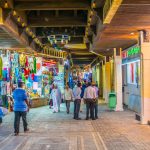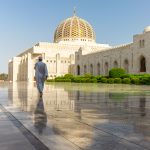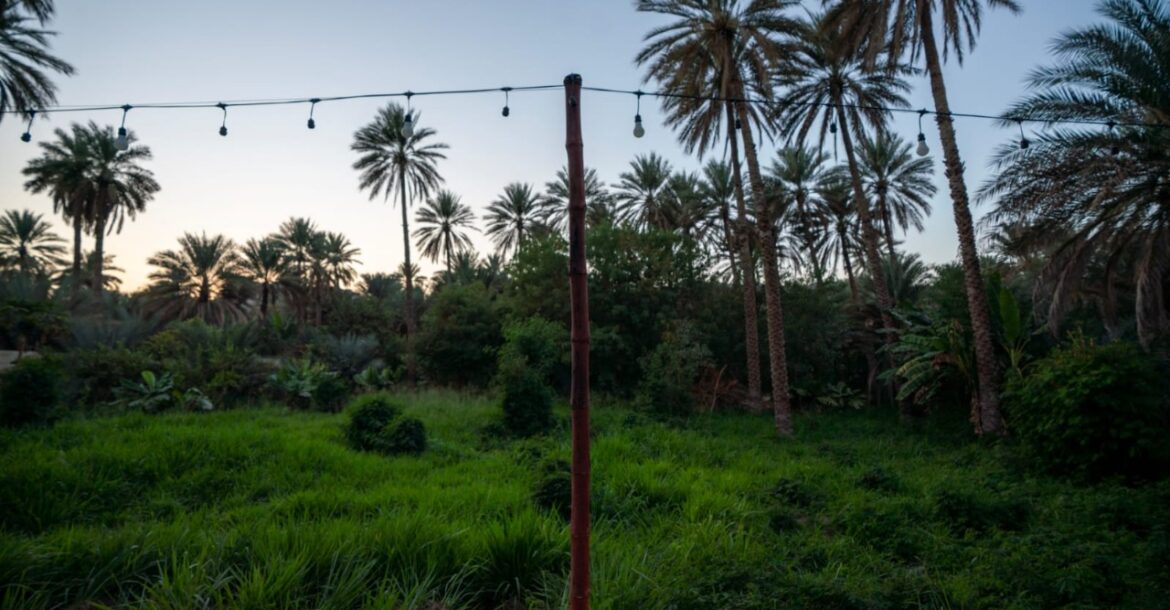

MUSCAT – The project involves developing and paving internal pathways throughout the village, as well as installing lighting in several locations.
It underscores the youths’ commitment to preserving local heritage, showcasing it as a cultural and tourist attraction, and enhancing village facilities in a way that reflects Surur’s authentic identity.
According to Muath bin Omar Al Nadabi, one of the organisers, the idea of the initiative, driven by their collective sense of belonging to every alley and neighbourhood, began more than four years. “The palm oases and aflajs were a source of inspiration for us, along with the experiences of neighbouring villages in creating their own visual identities. All of this encouraged us to launch the initiative and work toward implementing it,” he stated
He further explained that the project began with a comprehensive plan that included developing an integrated visual identity for the village and promoting it through social media. A detailed map of the pathways was drawn to guide development efforts, eventually leading to the implementation of paving, stonework, and lighting installations.
Al Nadabi affirmed that the ultimate goal is to present Surur village as an “open-air museum” that reflects its history, celebrates its poets, writers, and scholars, and highlights its natural features – trees, palm groves, and aflaj. The aim is to make Surur a tourist destination that attracts residents and visitors alike, with its mountainous terrain, green plains, and historical landmarks that narrate the region’s heritage, customs, and traditions.
The internal routes include the Sharia Route, the Hayli Route, the Darus Route, the Shuaraa Route, the Awsat Route, and the Aqr Neighbourhood Route. These pathways run through palm oases and along aflaj such as the Hayli, Awsat, and Bu Jadi channels.
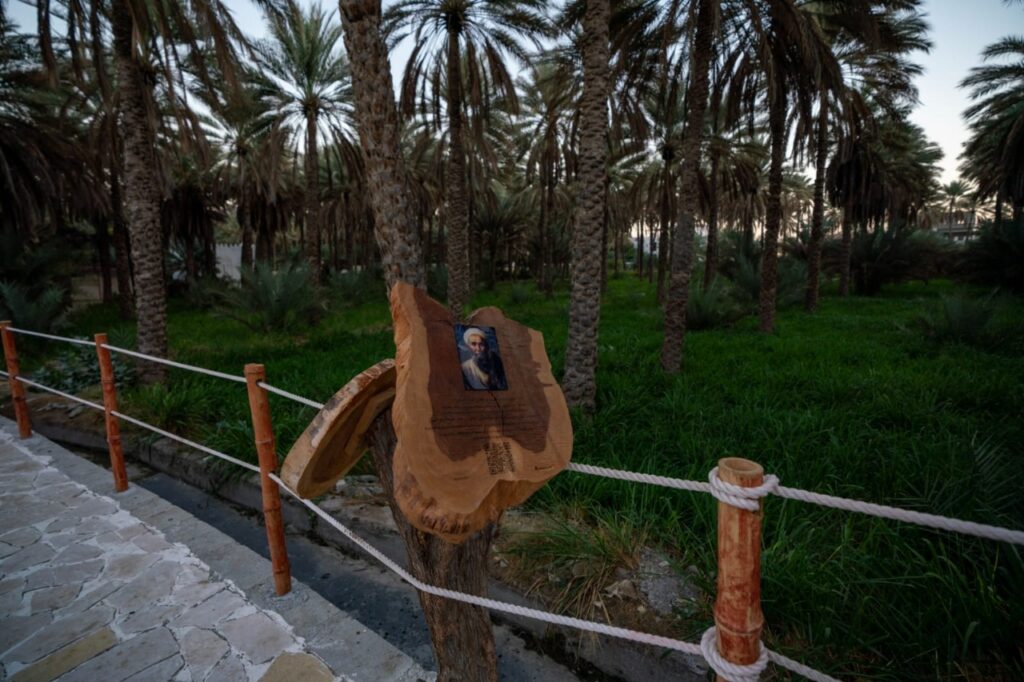
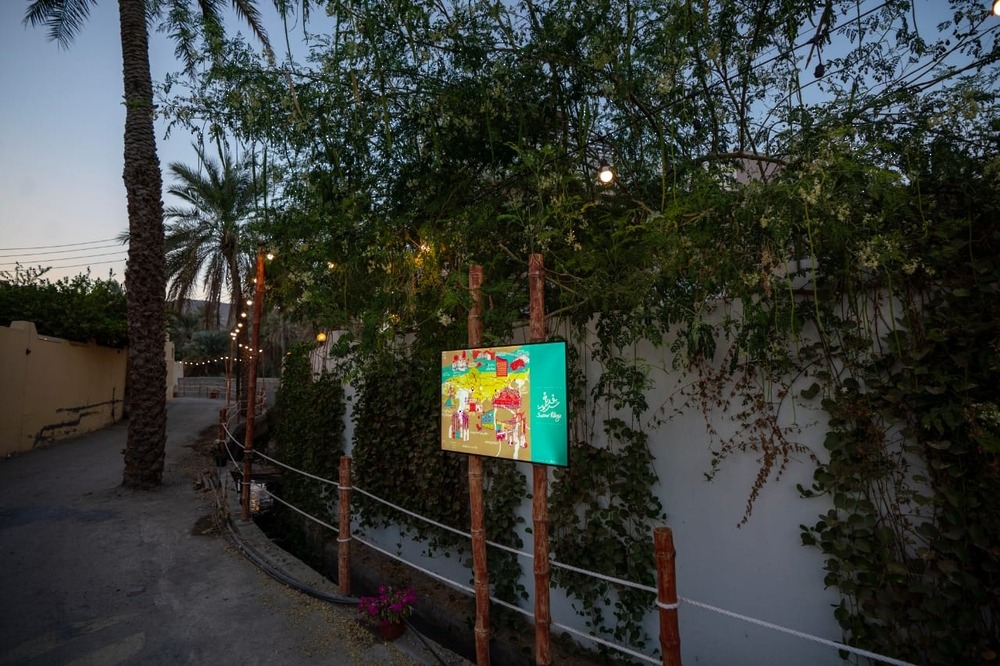
Al Nadabi noted that the total length of the trail system extends between four and five kilometres, with return options via entirely different routes – allowing visitors to pass through various historical and heritage sites within the village.
He added that each volunteer team undertook responsibility for developing a specific part of the village in its own style, with the aim of creating a network of interconnected pathways that combine sustainability with innovation.
Technologies such as augmented reality and interactive maps have been integrated to enhance the visitor experience and connect it with the village’s cultural heritage.
The youth behind the initiative aspire to continue developing projects that enhance Surur’s tourism potential and support community vitality.
Surur village is known for its diverse landscapes, abundant irrigation channels, and lush farms. Historically described as a “green paradise with abundant water,” its beauty has long been celebrated by poets and writers.
Read More
- Four days, two countries: Oman expands economic diplomacy in Africa
- Oman police arrest 17 for illegal entry in Musandam
- Oman, Germany discuss restoring navigation in Hormuz, Red Sea
- Oman targets bigger Russian market as 16 firms showcase products in Moscow
- Salalah Airport handles nearly 687,000 passengers during Oman’s Khareef 2026