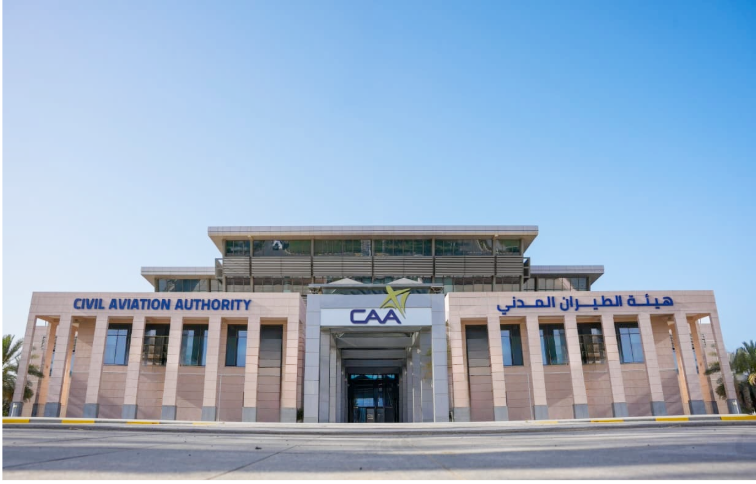

MUSCAT : The civil aviation sector continues to play a direct role in stimulating tourism and attracting investments through the development of an integrated airport infrastructure system and by expanding the Sultanate’s network of regional and international destinations.
The Authority, in cooperation with airport operators and national and international airlines, has worked to open new air routes to key markets in Asia, Europe, and Africa. This has contributed to facilitating the movement of travellers, tourists, and investors, while supporting growth across the hospitality, travel, and logistics sectors.
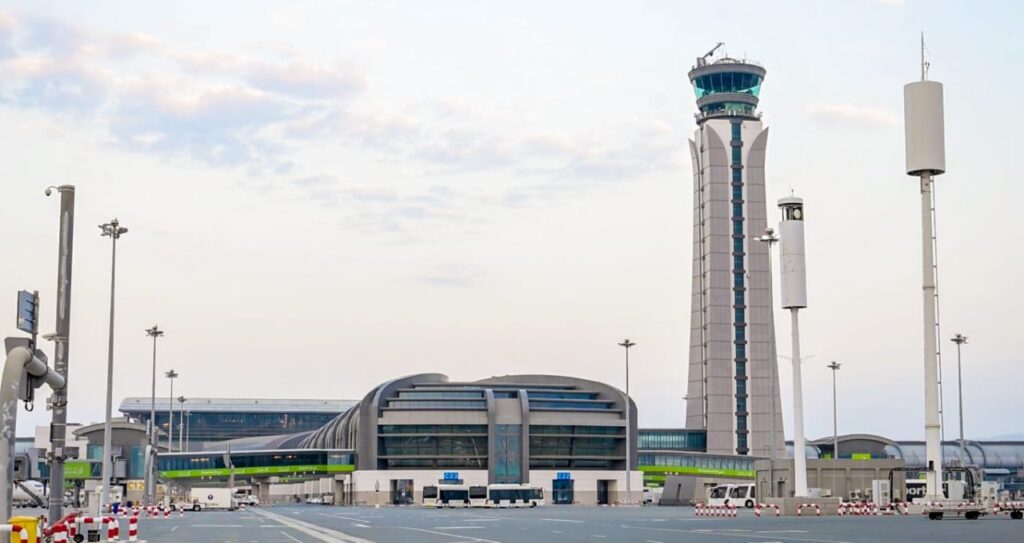
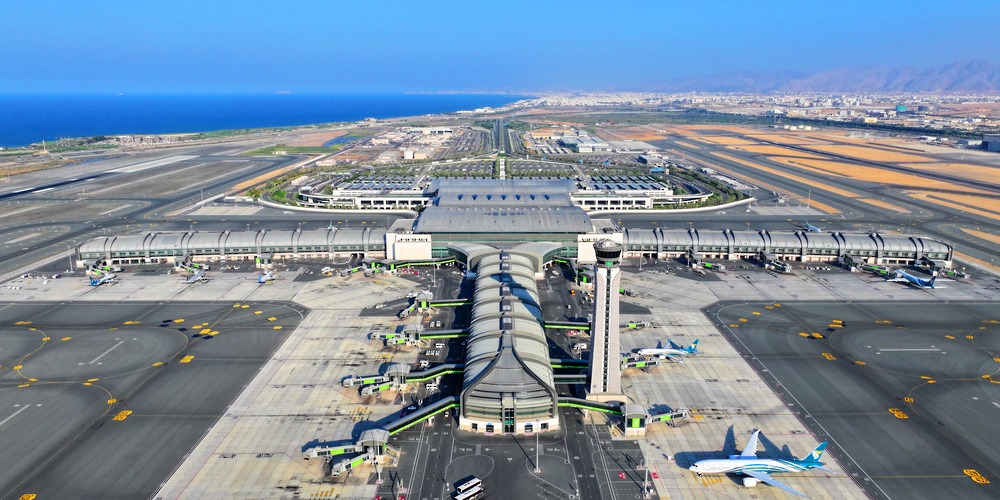

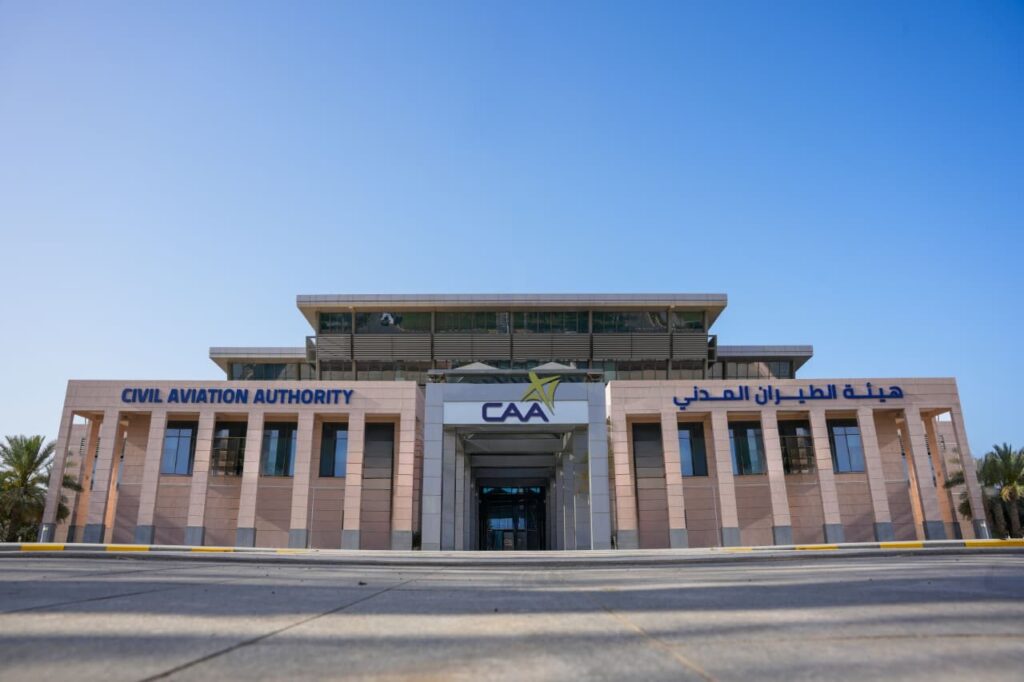
The Authority has focused on maximising Oman’s position as a regional and global logistics hub by capitalizing on its strategic geographic location along major global air navigation routes. This includes developing the Sultanate’s airports as key centres for air connectivity and the transport of goods and passengers, enhancing domestic connectivity and promoting inter-governorate tourism.
Aircraft traffic crossing Omani airspace recorded a 14 perfect increase by the end of 2024, reaching 530,300 aircraft compared to 465,100 in 2023.
Total actual revenues of the Civil Aviation Authority at the end of 2024 amounted to approximately RO 105,310,097, reflecting a 43 perfect increase compared to the RO 73,393,955 collected in 2023. This growth underscores the sector’s operational efficiency and economic contribution.
The Authority is also working to strengthen partnerships with the private sector in various aviation and airport service areas, including ground handling, maintenance, air cargo, and catering. These partnerships align with Oman’s strategy to empower the private sector in managing and operating vital facilities, improving service efficiency, and adopting advanced operational technologies.
These efforts have further contributed to attracting local and international investments for the construction of modern maintenance facilities and the development of integrated logistics zones near airports, creating job opportunities and increasing added value to the national economy.
Additionally, the Authority’s policies have improved the investment climate in the aviation sector by simplifying regulatory procedures and applying competitive standards for licensing and permits. This encourages the entry of new operators and expands cooperation with low-cost airlines to support inbound tourism.
Through these integrated efforts, Oman’s civil aviation sector continues to reinforce its role as a strategic pillar of economic diversification, strengthening the Sultanate’s position as a thriving regional hub linking East and West, and contributing significantly to the development of the tourism, logistics, and sustainable investment sectors.
The Authority has implemented several advanced technical projects in air navigation, including upgrades to the ground radar network, communication stations, and navigational aids to improve monitoring accuracy and ensure the smooth and safe flow of air traffic within and beyond Omani airspace.
The Authority’s strategies also incorporate elements of operational sustainability—such as infrastructure maintenance, energy-efficiency plans, and digital operational continuity—alongside strong internal governance that enhances institutional performance and monitors safety and service indicators.
In line with green transformation initiatives, the Authority and airport operators have introduced solar energy systems at select airport facilities, implemented smart lighting and energy-management systems, and replaced operational vehicles with environmentally friendly electric models. Carbon-footprint measurement programs have also been introduced to develop emission-reduction plans in accordance with international environmental standards.
The Authority has issued regulations and procedures for granting licenses—such as certificates for air navigation training centers—and has updated operational and maintenance requirements, strengthening the overall regulatory framework. Additionally, it launched a dedicated digital transformation program aimed at increasing the proportion of digitized services, improving Oman’s ranking in the global e-services development index, and creating a sustainable digital infrastructure.
The Authority is adopting a proactive approach to aviation safety management by incorporating predictive safety concepts and developing an integrated national system called the National Civil Aviation Security Program. It has also implemented a project to develop a smart inspection and control system using digital technologies, electronic safety management systems, and continuous training programs for inspectors and aviation security specialists.
Furthermore, strengthening Oman’s meteorological and early warning system remains a priority. The Authority has implemented a comprehensive modernization program that includes establishing and upgrading automated monitoring stations across all governorates, linking them to an advanced national monitoring and analysis center, and enhancing capabilities with modern weather radars, satellites, and high-precision forecasting systems.
For all the latest news from Oman and GCC, follow us on Twitter, Instagram and LinkedIn, like us on Facebook and subscribe to our YouTube page, which is updated daily.
Read More
- Corporate table bookings open for HerStory Oman Summit & Awards 2026
- Oman prepares online food delivery rules after customers raise price concerns
- Ministry invites bids to establish LPG filling station in Oman’s Masirah
- Travel agency representative in Muscat jailed, agency shut for a year over cancelled trips
- Oman’s CDAA urges mountain safety after foreign national critically injured in Jabal Shams fall





