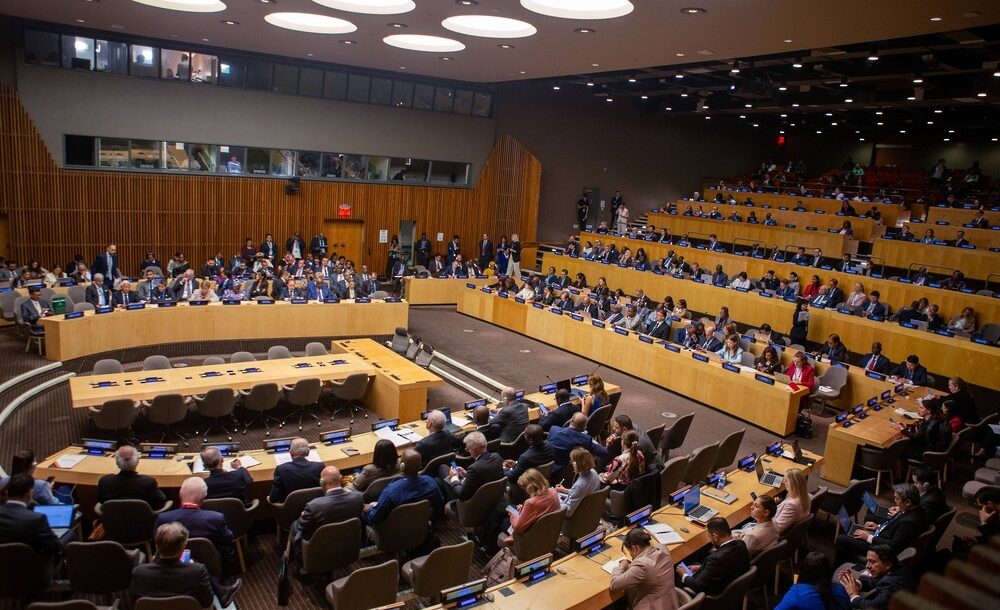

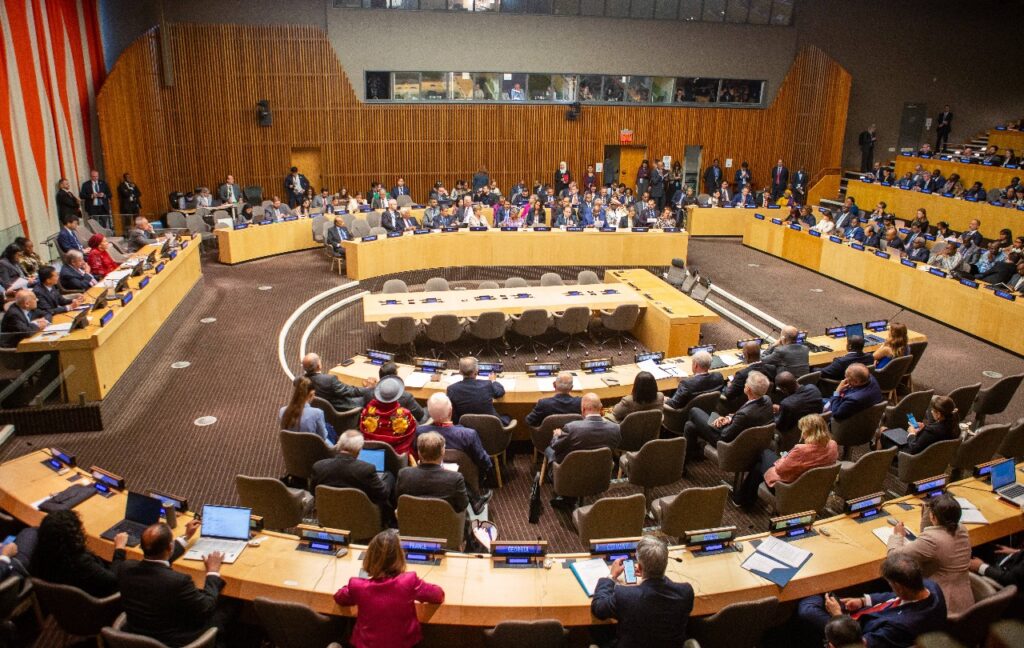
NEW YORK – In collaboration with several international partners, Oman convened a high-level side event titled ‘One Vision, One Future: Rallying Global Momentum to Combat NCDs for Generations to Come’, on the sidelines of the 80th session of the United Nations General Assembly.
The event commenced with opening remarks from Her Highness Sayyida Dr. Mona bint Fahd Al Said, Assistant Vice Chancellor for International Cooperation at Sultan Qaboos University and Chairperson of the National Committee for the Prevention and Control of Non-Communicable Diseases (NCDs).
Read More
- Oman police arrest 17 for illegal entry in Musandam
- Oman, Germany discuss restoring navigation in Hormuz, Red Sea
- Oman targets bigger Russian market as 16 firms showcase products in Moscow
- Salalah Airport handles nearly 687,000 passengers during Oman’s Khareef 2026
- Oman, Angola call for immediate ceasefires in conflicts across Middle East, Africa and Eastern Europe
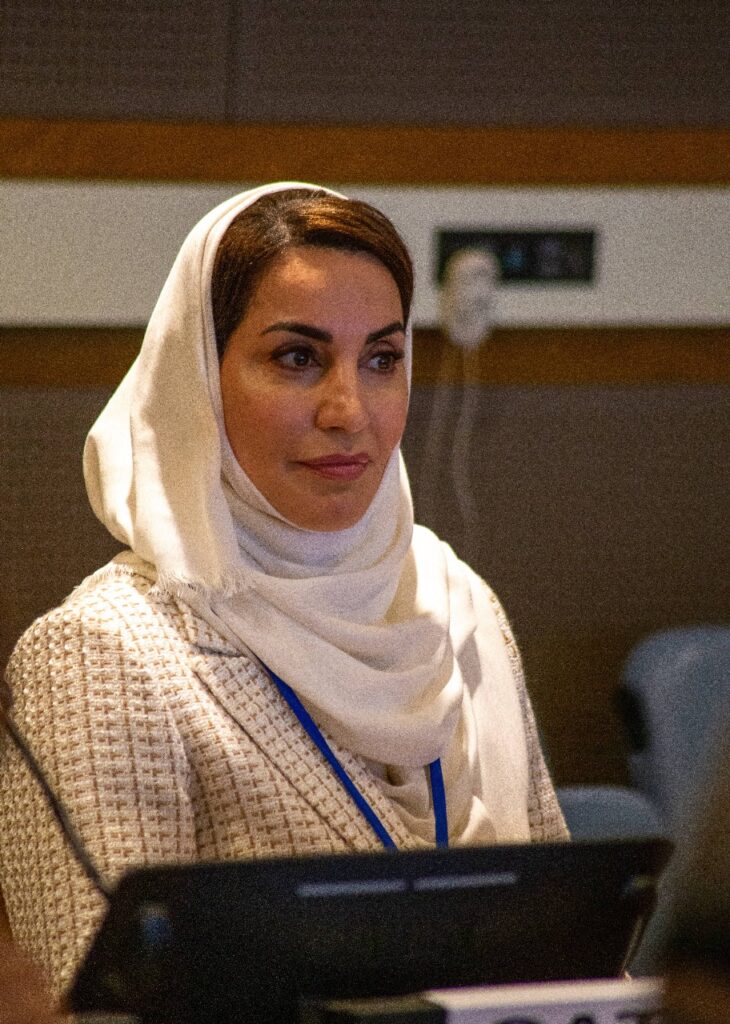
In her address, Her Highness emphasised that non-communicable diseases represent a growing global burden, silently claiming lives, limiting human potential, and placing immense strain on social systems. She stated: “The Sultanate of Oman, like many countries around the world, bears the burden of non-communicable diseases. These silent diseases, despite their devastating severity, claim lives, limit the potential of individuals, and place pressure on the fabric of our societies.”
She affirmed that Oman is fully committed to tackling this challenge with determination and foresight. “Our approach is rooted in the belief that prevention—through shaping our environment, the food we consume, the air we breathe, and the systems that influence our choices—represents not only a moral imperative but also an economic necessity,” she said.
Her Highness highlighted that Oman has made significant investments in both prevention and care, with more than 200 primary healthcare facilities across the country offering essential services, diagnostic tools, and qualified medical professionals. Specialized services address chronic conditions, while early detection programs and community-based initiatives help patients live longer and healthier lives.
She further noted that Oman has been recognised by the World Health Organisation (WHO) as a Collaborating Centre for Research and Training in Chronic Respiratory Diseases, a testament to its regional leadership and commitment to health system strengthening.
Oman has also achieved notable public health milestones, including the elimination of industrially produced trans fats and the implementation of tobacco control measures such as plain packaging and a ban on e-cigarettes.
“We are now finalising the largest national household survey on non-communicable diseases, engaging over 10,000 participants,” she added. “This will provide a comprehensive, evidence-based foundation for shaping future strategies.”
Her Highness emphasised the importance of monitoring and linking health facility data with population-level responses, ensuring that impact is measured across all sectors. “Monitoring serves as a bridge between science and policy, and between health and broader sustainable development,” she said.
Oman is also in the process of updating its multi-sectoral national policy on NCDs. An upcoming consultative workshop will bring together diverse stakeholders to help shape a national strategy that reflects the lived realities and interconnected risks facing Omani society.
In conclusion, Her Highness underlined that the fight against NCDs is not solely about reducing the disease burden. It is about safeguarding dignity, preserving opportunity, and securing the future of generations to come, she pointed out, adding: “Our commitment is aligned with the Sustainable Development Goals, international and regional obligations, and Oman Vision 2040—ensuring health remains a pillar of national development and a reflection of our collective progress.”
The side event featured a rich programme of presentations and interactive discussions, led by experts from Oman, the World Health Organization, the World Bank, and the World Diabetes Foundation. The sessions were co-moderated by Dr. Nick Banatvala, Head of Secretariat, UN Interagency Task Force on the Prevention and Control of NCDs, and Dr. Shatha bint Saud Al Raisi, Director of the Department of Noncommunicable Diseases at Oman’s Ministry of Health.
Key presentations included talks from Dr. Ahmed bin Salem Al-Mandhari, Undersecretary for Health Planning and Regulation (Ministry of Health, Oman), on the role of primary care in health system transformation; Dr. Asmus Hammerich, Director of NCDs and Mental Health (WHO/EMRO), on best practices for combating NCDs; Volkan Cetinkaya, Lead Health Economist (World Bank), on health taxes as tools for improving health and generating revenue; and Sani Frost-Helt, Senior Director (World Diabetes Foundation), on the role of multilateral partnerships in advancing NCD responses.
A prominent high-level panel was convened under the theme: ‘Leadership and Accountability: From Commitments to Effective Impact – Advancing Universal Health Coverage for NCDs’ with the panel featuring Dr. Hanan Balkhy, WHO Regional Director for the Eastern Mediterranean; Dr. Teodoro Herbosa, Minister of Health, Philippines; Dr. Kwabena Mintah Akandoh, Minister of Health, Ghana; Christopher Kaileya, Member of Parliament (Zambia), President of the Commonwealth Parliamentary Association; and Alison Cox, Director of Policy and Advocacy, NCD Alliance.
The discussion focused on strengthening global political commitment, sharing policy and financing success stories, and encouraging multi-sectoral partnerships involving health, education, finance, agriculture, and technology. It also emphasized proven interventions, including health taxes on tobacco, sugar, and alcohol, and expansion of primary healthcare systems.
The event concluded with a set of practical policy recommendations and a 12–24-month follow-up plan to accelerate progress toward the 2030 target of reducing premature mortality from NCDs by one-third, as outlined in the Sustainable Development Goals.
Today, the Sultanate of Oman stands as a leading voice in the global movement to combat non-communicable diseases. With strong political will and a clear vision, Oman has prioritised NCDs as a central element of its national health agenda. The Sultanate’s commitment is reflected in its governance structures, development strategies, and community-driven initiatives – demonstrating leadership in equity, innovation, and resilience in public health.





