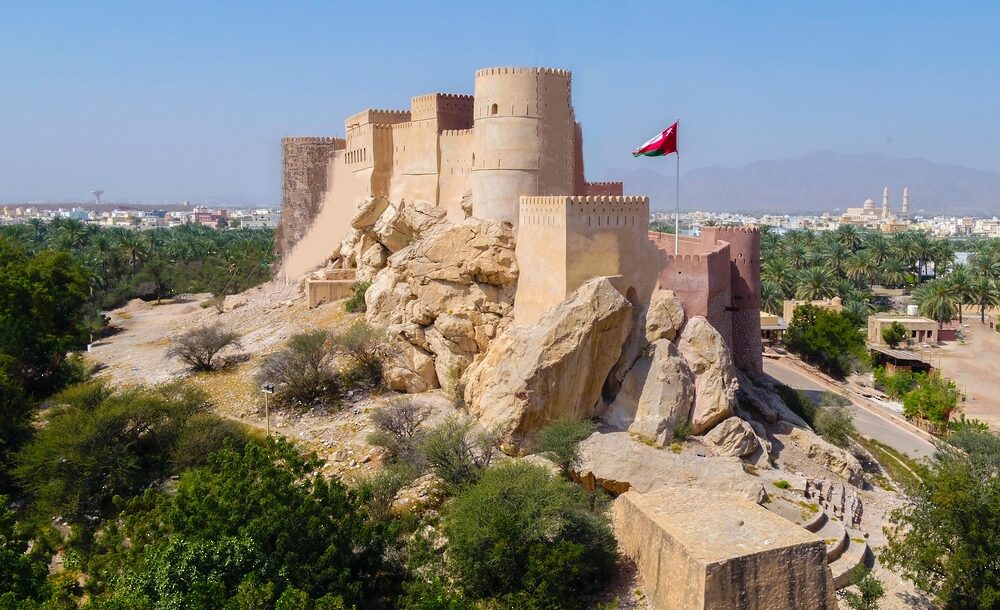

Muscat: This year’s theme underscores the growing need to protect both tangible and intangible heritage, ranging from historical sites to customs and traditions, amid escalating global conflicts and disasters. It calls for rapid response mechanisms to preserve cultural identity and support communities facing crises.
His Excellency Engineer Ibrahim bin Saeed Al-Kharousi, Undersecretary of the Ministry of Heritage and Tourism for Heritage, said the occasion reinforces the importance of heritage as the “living memory of peoples,” reflecting cultural pride, identity, and historical continuity. He highlighted its role in strengthening values, boosting cultural tourism, and contributing to sustainable development.
His Excellency Al-Kharousi noted that Oman has successfully involved local communities as key partners in preserving heritage, in line with UNESCO guidelines. He emphasized that these efforts demonstrate heritage as a viable driver of economic and social development.
Read More
- Indian School Al Ghubra retains TAS badminton crown as Indian School Muscat finishes runner-up
- Nepal, Oman seek faster labour pact, discuss Omani embassy in Kathmandu
- Oman voices solidarity with Saudi Arabia, rejects targeting of civilian facilities
- International Financial Centre of Oman nears operational readiness by 2027
- Oman targets $66mn investment to build aviation hub
Coinciding with the celebration, the Ministry announced the results of its 2025/2026 archaeological surveys and excavations programme. A total of 32 projects were conducted across Oman’s governorates, in collaboration with over 11 countries and international institutions. Advanced technologies such as artificial intelligence, photogrammetry, and geophysical surveying were deployed to document and digitally preserve sites.
The research spanned eras from the Paleolithic to the Islamic period. In Al Dhahirah Governorate, excavations revealed a fortified Bronze Age settlement at Al Shakour in Dhank, offering new insights into early human settlement in northwestern Oman. Meanwhile, ongoing collaborations with Polish, French, and Italian missions continue to uncover significant findings across sites such as Ibri and Qumayra.
In Dhofar, eight research programmes explored coastal and inland settlement patterns, with missions identifying new archaeological sites and rock art. In North Sharqiyah, discoveries at Al-Khashba, one of Oman’s largest Neolithic sites, revealed evidence of human habitation dating back to 5500 BC, along with early coastal connections.
Additional excavations across South Al Batinah, Al Wusta, Al Dakhiliyah, Musandam, Muscat, and Al Buraimi highlighted Oman’s rich archaeological diversity, from Iron Age trade hubs to Neolithic shell mounds. These efforts also focus on training Omani professionals and students, preparing sites for sustainable tourism, and strengthening national expertise.
Noah bin Mohammed Al Busaidi, President of the Omani Historical Society, described heritage as “the spirit of humanity,” stressing its unifying role during challenging times and highlighting UNESCO’s continued collaboration with Oman to promote cultural awareness.
Echoing this, His Excellency Mohammed bin Saeed Al-Hajri, Chairman of the Social and Cultural Committee of the State Council, said a nation’s strength lies in its connection to its history. He emphasized that preserving traditions and cultural practices enhances societal resilience, identity, and confidence in navigating modern challenges.





