
MUSCAT : From ancient neighbourhoods in Nizwa to the frankincense markets of Dhofar, youth-led initiatives are blending tradition with innovation, while reinforcing Omani identity on the global stage.
According to the Authority for Small and Medium Enterprises Development (Riyada) has positioned entrepreneurship as a cornerstone of diversification and job creation, with programs that support small and medium enterprises (SMEs), craft industries, startups, and innovative ideas. These initiatives extend to school and university students, as well as entrepreneurs with disabilities, ensuring inclusivity across all governorates.

The Authority is aligning its strategies with high-value sectors such as technology, innovation, tourism, agriculture, manufacturing, and creative industries. Among its key moves are dedicating 10 percent of the Oman Future Fund’s capital to finance entrepreneurs, expanding SME participation in government spending, and establishing entrepreneurship centers and accelerators linked to each governorate’s competitive advantages.
Read More
- Oman’s mobile subscriptions hit 8.29 million as IoT and broadband rise
- Oman Air resumes Dubai, Bahrain flights as regional network ramps up
- Ministry holds 2026 leadership meeting in Al Jabal Al Akhdar to align strategy and boost tourism goals
- Oman marks World Heritage Day with global call to protect ‘Living Heritage’ amid rising crises
- Qatar Emir Sheikh Tamim departs Oman after talks with His Majesty Sultan Haitham
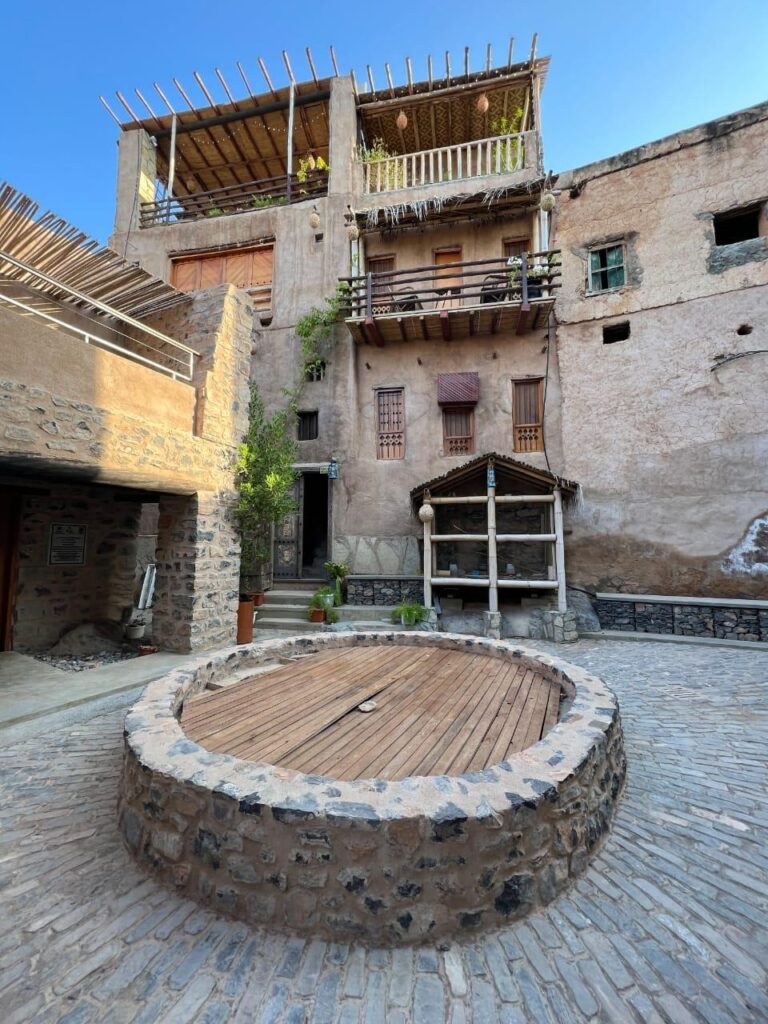
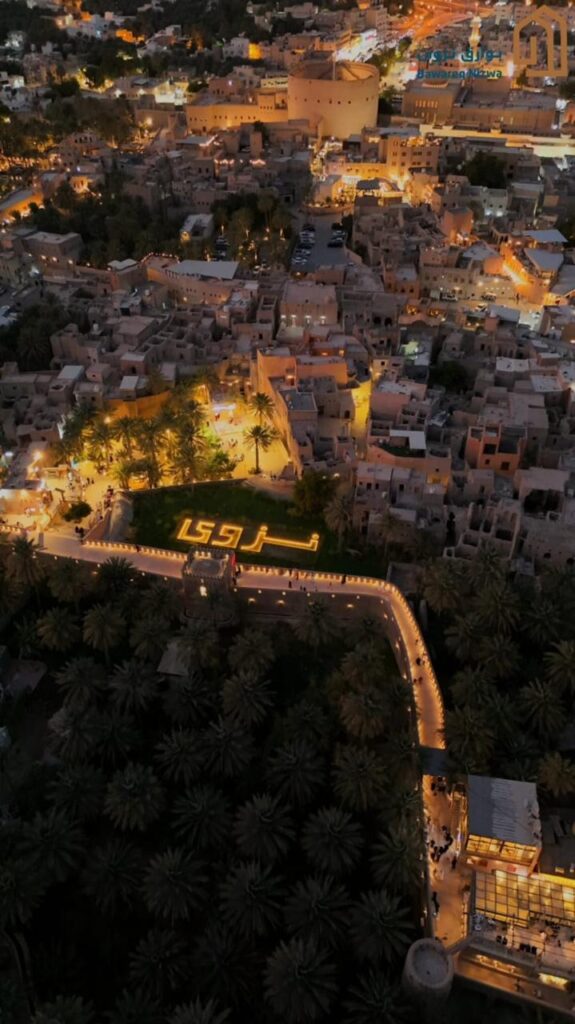
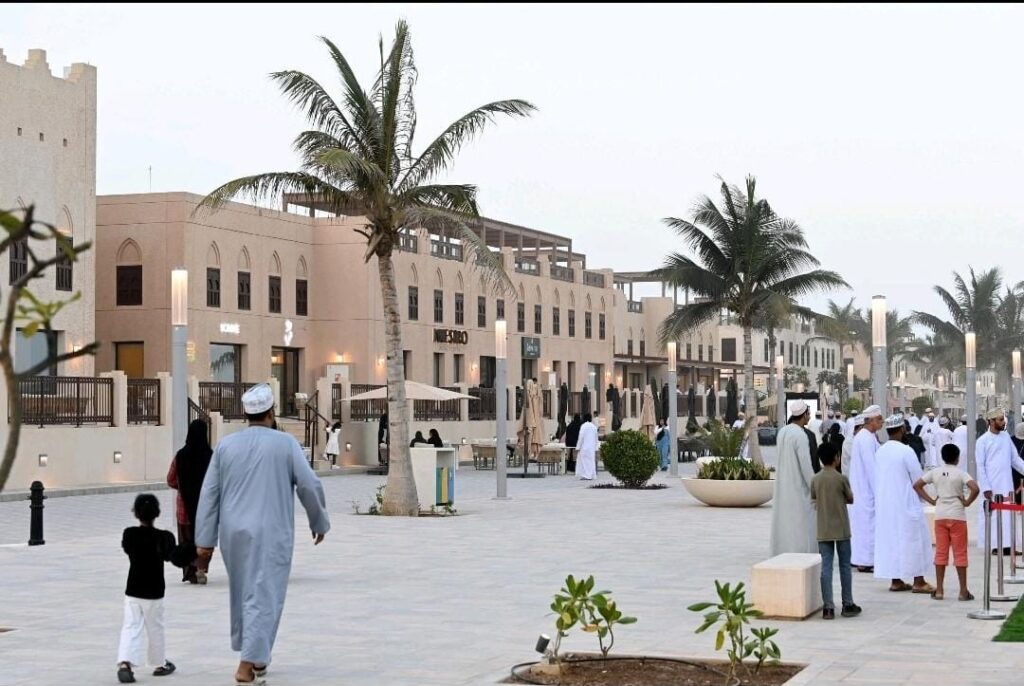
One success story comes from the historic Al Aqar neighborhood in Nizwa, where a wave of youth-led projects has revitalized ancient homes into inns, restaurants, and handicraft shops. These ventures not only preserve the area’s architectural charm but also generate jobs, attract tourists, and host cultural events.
Aflah Al Nabhani, owner of the Nuzul Al Dar inn, explained that his project blends authentic Omani architecture with modern comforts, offering visitors a cultural stay complete with heritage rooms, lounges, and events. Al Nabhani has also launched the Dakhter project, which revives traditional healing practices and promotes medical tourism by combining ancient treatment methods with modern care in a heritage building once used as a clinic.
In Dhofar, Khalid bin Ahmed Al Amri is carrying forward a family tradition with his Luban Al Rayyan enterprise, which crafts perfumes, incense, and frankincense products. “It’s about sustaining our heritage while meeting modern needs,” he said, noting how the business has expanded to include oils, soaps, toners, and cosmetics derived from Omani frankincense.
Meanwhile, Al Hamra is witnessing its own wave of youth innovation, with old houses converted into guesthouses and museums, and hiking trails curated for adventure tourism. These efforts highlight the governorate’s natural beauty while providing new markets for local craftspeople.
For all the latest news from Oman and GCC, follow us on Twitter, Instagram and LinkedIn, like us on Facebook and subscribe to our YouTube page, which is updated daily.





