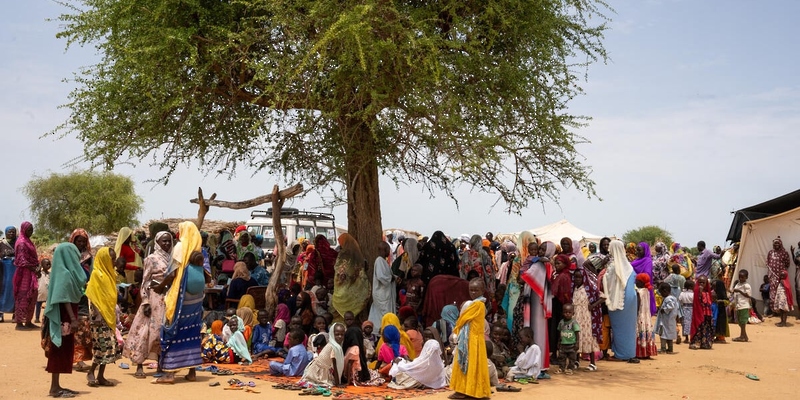

Geneva: In a new report released from Geneva, the OHCHR confirmed that at least 3,384 civilians were killed between January and June 30, 2025, the vast majority in Darfur, followed by Kordofan and Khartoum. This figure already accounts for nearly 80 percent of the total civilian casualties documented across all of 2024, underscoring the scale of intensifying hostilities. The commission cautioned that the true toll is likely far higher.
According to the report, 70 percent of casualties resulted from combat operations, as warring parties continue to unleash artillery, airstrikes, and drone attacks on densely populated areas. The commission stressed that deliberate killings and attacks on civilians represent grave violations of international humanitarian law and fundamental human rights.
Beyond the immediate violence, Sudan’s war is fueling the world’s largest humanitarian crisis. The UN estimates that 24.6 million people now face severe food insecurity, with famine looming, while 19 million lack access to safe water and sanitation amid a spreading cholera epidemic.
Read More
- Russia charges Telegram founder Pavel Durov with ‘facilitating terrorism’, issues international arrest warrant
- Meta, BlackRock partner to build USD 14 billion Texas data center campus
- India at UNSC says “world’s focus on Strait of Hormuz” must not divert attention from Gaza
- Many trapped in damaged shopping mall after major 7.1-magnitude Japan earthquake
- Over 390,000 customers lose power as tornado tears through northeast Wisconsin
UN High Commissioner for Human Rights Volker Türk condemned the “catastrophic situation” and the mounting atrocities, which he said amount to war crimes. “The conflict is turning into a massive and alarming protection crisis,” Türk declared, urging the international community to act decisively.
He called for an immediate end to the violence, accountability for perpetrators, and an end to the cycle of impunity that continues to fuel the conflict. Türk also pressed world powers to use their influence to ensure rapid, unhindered humanitarian access to Sudan’s hardest-hit communities.





